


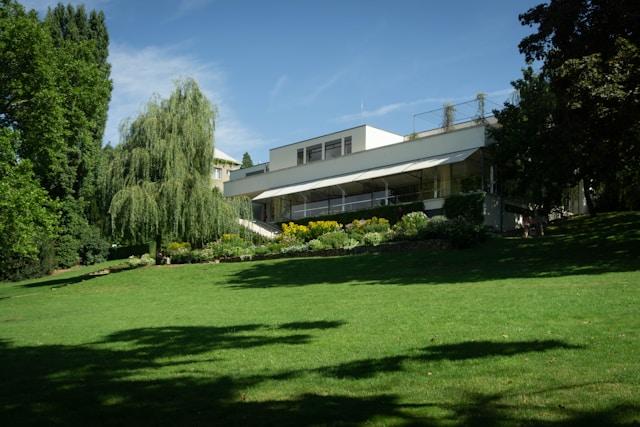
Artificial grass has become an increasingly popular landscaping choice for homeowners in San Jose. With ongoing drought concerns, rising water costs, and busy lifestyles, many residents are rethinking traditional lawns. Artificial turf offers a low-maintenance, water-efficient alternative that stays green year-round. However, like any landscaping solution, artificial grass comes with both advantages and drawbacks. Understanding the pros and cons can help San Jose homeowners decide whether it is the right choice for their property.
Pros of Artificial Grass for San Jose Homes
Significant Water Savings
One of the biggest advantages of artificial grass in San Jose is water conservation. Natural lawns require regular watering, especially during hot and dry months. In contrast, artificial grass needs no irrigation to stay lush and green. This can save homeowners thousands of gallons of water each year, making artificial turf an ideal solution in a region with frequent drought conditions and water-use restrictions.
Reduced water usage also leads to lower monthly utility bills, offering long-term financial savings while supporting local conservation efforts.
Low Maintenance Requirements
Artificial grass is highly appealing to homeowners who want to minimize yard maintenance. Unlike natural lawns, artificial turf does not need mowing, fertilizing, reseeding, or weed control. Occasional brushing and rinsing are typically enough to keep it looking clean and well-maintained.
For busy professionals, families, or elderly homeowners, this low-maintenance benefit can significantly improve convenience and quality of life.
Consistent Appearance Year-Round
San Jose’s climate can make it challenging to maintain a healthy natural lawn throughout the year. Artificial grass, however, remains evenly green regardless of weather conditions. It does not brown in summer heat or become muddy during rainy periods.
This consistent appearance enhances curb appeal and helps homeowners maintain a polished outdoor look with minimal effort. For front yards, artificial grass can create a neat and welcoming aesthetic that lasts throughout all seasons.
Reduced Use of Chemicals
Maintaining a natural lawn often involves fertilizers, pesticides, and herbicides. These chemicals can pose risks to soil health, groundwater, pets, and children. Artificial grass eliminates the need for such treatments, creating a safer outdoor environment.
For families with pets or young children, this chemical-free landscaping option provides peace of mind and supports a healthier home environment.
Durability and Longevity
High-quality artificial grass is designed to withstand heavy foot traffic and prolonged sun exposure. Most products are UV-resistant and can last 15 to 25 years with proper installation and care.
This durability makes artificial turf suitable for active households, play areas, and pet zones, where natural grass might quickly wear down or develop bare patches.
Cons of Artificial Grass for San Jose Homes
Higher Initial Installation Cost
One of the main drawbacks of artificial grass is the upfront cost. Professional installation can be more expensive than laying natural sod. Costs typically include site preparation, base materials, drainage systems, and labor.
While artificial grass can offer long-term savings through reduced water and maintenance expenses, the initial investment may be a concern for homeowners on a tight budget.
Heat Retention in Warm Weather
Artificial grass can become warmer than natural grass when exposed to direct sunlight. During San Jose’s hot summer days, the surface temperature of artificial turf may feel uncomfortable for bare feet or pets.
Although some modern turf products include cooling technology or heat-reflective materials, heat retention remains a consideration, particularly for south-facing yards with limited shade.
Environmental Concerns About Materials
Artificial grass is made from synthetic materials, which raises concerns for environmentally conscious homeowners. While many modern products are recyclable and lead-free, artificial turf does not biodegrade like natural grass.
The manufacturing process also requires energy and resources. However, when compared to the ongoing water use, chemical treatments, and emissions associated with maintaining natural lawns, the long-term environmental impact may still be favorable in water-scarce regions like San Jose.
Limited Natural Ecosystem Benefits
Natural lawns provide some ecological benefits, such as supporting soil microorganisms and cooling the surrounding environment. Artificial grass does not offer these same natural functions.
Homeowners who value biodiversity may feel that artificial turf lacks the organic qualities of real grass. Some address this concern by combining artificial grass with native plants, trees, and garden beds to create a more balanced landscape.
Repairs Can Be More Complex
Although artificial grass is durable, damage can occur due to improper installation, sharp objects, or heavy use over time. Repairs often require professional assistance, especially if the base or drainage system is affected.
Unlike natural grass, which can regenerate or be reseeded, artificial turf repairs may involve replacing specific sections, which can be more complex and costly.
Is Artificial Grass a Good Fit for San Jose Homes?
For many San Jose homeowners, artificial grass offers a practical solution to the challenges of water scarcity, high maintenance, and climate-related lawn issues. It is especially well-suited for households seeking a clean, consistent appearance with minimal upkeep.
However, artificial grass may not be ideal for everyone. Homeowners who prioritize natural landscaping, enjoy gardening, or are sensitive to surface temperature concerns may prefer alternative options such as drought-tolerant plants or native ground covers.
Tips for Making the Right Choice
When considering artificial grass, homeowners should evaluate their lifestyle, budget, and environmental priorities. Choosing high-quality turf and working with experienced installers in San Jose can help minimize drawbacks and maximize benefits.
Proper installation, adequate drainage, and selecting the right turf type for specific uses—such as pets or play areas—can significantly improve performance and satisfaction.
Conclusion
Artificial grass offers clear advantages for San Jose homes, including water conservation, low maintenance, and year-round visual appeal. At the same time, factors such as upfront cost, heat retention, and environmental considerations should be carefully weighed.
By understanding the pros and cons, homeowners can make an informed decision that aligns with their needs and the realities of San Jose’s climate. For many, artificial grass represents a smart, long-term landscaping investment that balances convenience, sustainability, and modern living.

 English
 Arabic
 French
 Spanish
 Portuguese
 Deutsch
 Turkish
 Dutch
Dutch
 Russian
 Romaian
 Portuguese (Brazil)
 Greek
Greek