


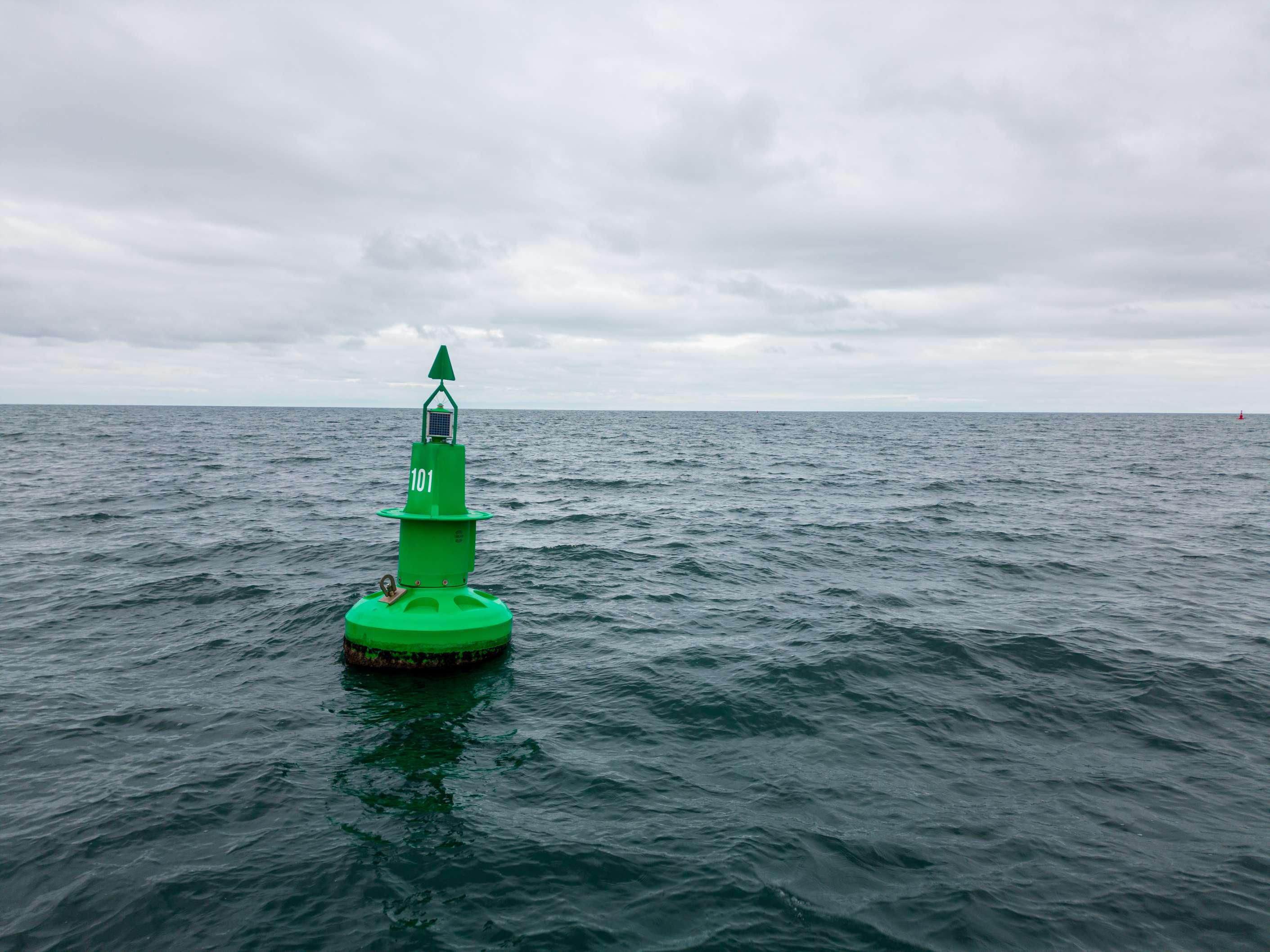
The ocean is the engine of our planet, driving weather, regulating temperature, and supporting a vast web of life. Understanding its health is crucial for predicting environmental changes, from forecasting hurricanes to tracking the long-term impacts of climate change. But how do we take the planet’s pulse from the middle of a remote, often hostile ocean? The answer lies in the evolution of a centuries-old maritime tool: the buoy.
Once simple floating markers for navigation, buoys have transformed into sophisticated, intelligent monitoring platforms. The primary purpose of buoys has expanded from mere guidance to advanced scientific data collection. These "smart buoy systems" are now indispensable tools, providing a continuous stream of information about our oceans and atmosphere.
This article will dive into how smart buoy systems are revolutionizing environmental monitoring. We will explore the different types of buoy deployed for research and see how cutting-edge technology is helping us protect our planet.
From Passive Markers to Active Data Hubs
Traditionally, the purpose of buoys was purely navigational—to mark safe channels or warn of hidden dangers. They were passive objects, communicating through color and shape. Smart buoys, however, are active participants in scientific discovery. They are floating laboratories packed with advanced technology.
These systems are designed to operate autonomously for months or even years in some of the harshest conditions on Earth. They collect data on a wide range of environmental parameters, transmit it to scientists in near real-time, and provide the ground-truth information needed to validate satellite observations and power predictive models.
The Technology Driving Smart Buoy Systems
The "smart" in a smart buoy comes from the integration of several key technologies. These components work together to create a powerful, self-sustaining monitoring station.
Advanced Sensors
A smart buoy is only as good as the data it collects. Modern buoys are equipped with a suite of high-precision sensors to measure a variety of atmospheric and oceanic conditions. This can include:
- Meteorological Sensors: Measuring wind speed and direction, barometric pressure, and air temperature.
- Oceanographic Sensors: Recording sea surface temperature, wave height and period, and ocean current speed.
- Biogeochemical Sensors: Detecting chlorophyll levels (an indicator of phytoplankton), dissolved oxygen, water turbidity, and pH levels to monitor ocean acidification.
Autonomous Power Systems
To operate for long periods without maintenance, smart buoys need a reliable power source. Most systems use solar panels to charge onboard batteries during the day. This provides enough energy to power the sensors, data processors, and communication equipment 24/7, making them self-sufficient in the open ocean.
Satellite and Cellular Communication
Getting data from a buoy in the middle of the Pacific Ocean back to a lab in minutes is a modern marvel. Smart buoys use satellite communication systems, like the Iridium network, to transmit their data packages to shore. In coastal areas, they may use cellular networks for faster, more cost-effective data transfer. This constant connection allows for real-time monitoring of developing environmental events.
AI and Onboard Processing
Sending raw sensor data can be energy-intensive. To be more efficient, many smart buoys use onboard microprocessors to perform initial data analysis and quality control. Some advanced systems are even integrating artificial intelligence (AI) and machine learning algorithms to identify significant events, such as the initial signs of a harmful algal bloom, and send alerts without human intervention.
Key Types of Buoy in Environmental Monitoring
Different monitoring missions require different tools. Scientists deploy several specialized types of buoy, each designed for a specific task.
Weather Buoys
These are the frontline sentinels for meteorological forecasting. Typically large and moored in a fixed location, weather buoys collect data on atmospheric conditions over the ocean. A sudden drop in barometric pressure detected by a weather buoy can be the first sign of a developing hurricane, providing crucial lead time for coastal communities.
Oceanographic Data Buoys
This broad category includes a variety of platforms focused on physical and chemical ocean properties.
- Drifting Buoys: These are not anchored and float freely with ocean currents. By tracking their movement, scientists map the vast circulatory system of the ocean, which transports heat around the globe.
- Profiling Floats (Argo Floats): These robotic floats are a revolutionary tool. They drift deep in the ocean and periodically rise to the surface, collecting temperature and salinity data as they ascend. The global Argo array of nearly 4,000 floats has given us an unprecedented, three-dimensional view of the upper ocean.
- Wave Buoys: Specifically designed to measure wave height, direction, and period, this data is critical for coastal engineering, marine safety, and renewable energy assessments.
Special-Purpose Buoys
This versatile category is tailored for specific environmental monitoring tasks. They are often deployed in coastal areas to track localized phenomena.
- Water Quality Buoys: Equipped with sensors to measure dissolved oxygen, pH, turbidity, and chlorophyll, these buoys monitor for signs of pollution, nutrient runoff, and harmful algal blooms in estuaries, lakes, and coastal waters.
- Tsunami Buoys (DART Systems): These highly specialized systems use a bottom-pressure recorder on the seafloor to detect the unique pressure signature of a passing tsunami wave. This information is relayed to a surface buoy and then to warning centers, providing an early alert before the wave reaches shore.
The Impact on Environmental Protection and Research
The data gathered by smart buoy systems has a profound impact on both scientific understanding and practical environmental management.
Enhancing Climate Models
Long-term data sets on sea surface temperature, ocean heat content, and carbon absorption are essential for building and refining global climate models. The information from buoys helps scientists understand the ocean's role in the climate system and make more accurate projections about future changes.
Improving Weather Forecasting
Real-time data from weather buoys over the ocean is a critical input for numerical weather prediction models. This improves the accuracy of daily forecasts and, most importantly, the track and intensity forecasts for tropical cyclones.
Protecting Coastal Ecosystems
Water quality buoys act as an early warning system for coastal managers. By detecting low oxygen levels or the spike in algae that signals a harmful bloom, authorities can issue public health advisories, close shellfish beds, and take action to mitigate the source of pollution.
Safeguarding Maritime Operations
Data on wave conditions and ocean currents is vital for safe and efficient shipping, offshore energy operations, and commercial fishing. Accurate sea-state information helps captains route their vessels around dangerous conditions and allows engineers to design resilient offshore structures.
Conclusion: Our Eyes on a Changing Planet
The purpose of buoys has evolved far beyond navigation. Smart buoy systems are now at the forefront of environmental science, serving as our tireless sentinels in the vast, remote oceans. By combining rugged engineering with advanced sensors, autonomous power, and intelligent communication, these platforms provide the vital signs of our planet's health.
From the various types of buoy tracking deep-ocean currents to those monitoring the water quality of our local bays, this technology is empowering us to understand and protect our environment like never before. As we face the growing challenges of climate change and environmental degradation, the data flowing from these smart, silent guardians will be more critical than ever.

 Arabic
 French
 Spanish
 Portuguese
 Deutsch
 Turkish
 Dutch
Dutch
 Italiano
 Russian
 Romaian
 Portuguese (Brazil)
 Greek
Greek