


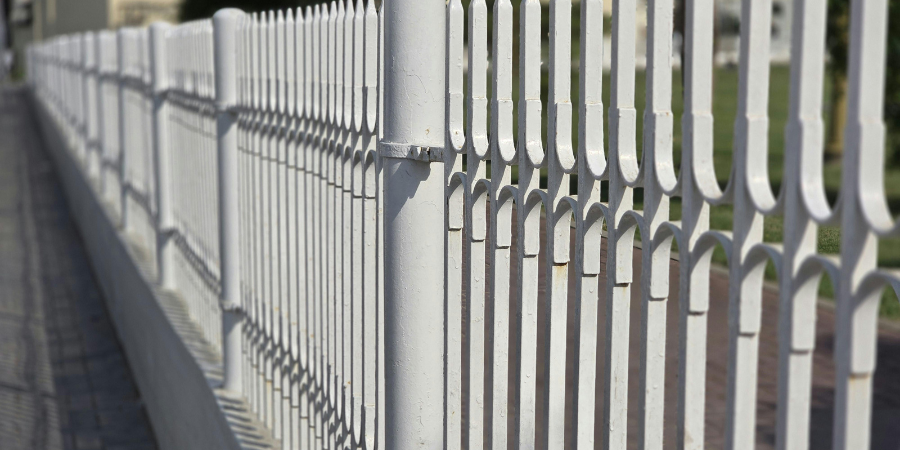
A fence has always been more than just a structure that marks where one property ends and another begins. In modern neighbourhoods, fencing plays a quiet but powerful role in shaping relationships, protecting privacy, improving safety, and even increasing property value. As we move into 2026, the way homeowners think about fencing has shifted dramatically. Today’s fences are no longer just about keeping things in or out—they’re about design, durability, neighbour harmony, and long-term investment.
Whether you’re planning a new residential fence installation, replacing an aging boundary, or navigating shared property lines with neighbours, understanding modern fencing solutions can help you make better choices. From sustainable materials to smarter layouts and evolving city regulations, this guide explores what neighbourhood fencing looks like in 2026 and how homeowners can approach it thoughtfully.
The Changing Role of Neighbourhood Fencing
In earlier decades, fences were often installed with a purely functional mindset. Chain link was cheap and quick. Wood panels were built tall for privacy, sometimes without much consideration for appearance from the other side. Today, expectations are different.
Homeowners want fencing that:
-
Enhances curb appeal from both sides
-
Respects neighbour sightlines and property access
-
Fits within municipal guidelines and HOA rules
-
Requires less maintenance over time
-
Reflects personal style without creating conflict
In many communities, a poorly planned fence can cause disputes that last longer than the fence itself. That’s why neighbourhood fence installation has become as much about communication and planning as it is about posts and panels.
Communication First: The Foundation of Good Neighbour Fencing
Before a single hole is dug, the most important step in neighbourhood fencing is conversation. In 2026, homeowners are more aware that shared boundaries require shared understanding.
Talking to your neighbour early helps:
-
Confirm property lines and survey accuracy
-
Decide on fence placement (on the line vs. offset)
-
Agree on height, style, and material
-
Avoid legal disputes and future resentment
Many professional fencing contractors now recommend joint consultations, especially for shared boundary fences. This approach ensures transparency and often leads to better design choices that both parties are happy with.
Modern Materials Defining Residential Fencing in 2026
Cedar: Still a Favourite, Now Smarter
Cedar remains one of the most popular fencing materials, particularly in regions like British Columbia. Homeowners value its natural resistance to rot, insects, and moisture. In 2026, demand for professionally built cedar fences continues to grow, especially when installed by experienced cedar fence contractors Vancouver homeowners trust.
What’s changed is how cedar is being used. Modern cedar fences often feature:
-
Horizontal slats for a contemporary look
-
Mixed widths for visual interest
-
Steel post integration for longer lifespan
-
Eco-friendly stains and sealants
These updates preserve the warmth of natural wood while addressing longevity and maintenance concerns.
Composite Fencing Gains Ground
Composite fencing has moved well beyond its early, plastic-looking designs. Newer composites closely mimic wood grain while offering superior durability. For homeowners who want minimal upkeep and consistent appearance, composite is becoming a serious contender.
It’s especially popular in tightly packed neighbourhoods where long-term appearance matters just as much as initial cost.
Metal and Hybrid Designs
Aluminum and steel fencing are increasingly used in residential settings, particularly when paired with wood or composite panels. These hybrid designs offer:
-
Increased structural strength
-
Modern aesthetic appeal
-
Better resistance to weather extremes
Metal frameworks also allow for cleaner lines and slimmer profiles, making fences feel less bulky while still providing security.
Privacy Without Isolation: A 2026 Design Trend
One of the most noticeable shifts in neighbourhood fencing is the move away from fortress-style barriers. Homeowners still want privacy, but not at the expense of natural light, airflow, or community feel.
Modern solutions include:
-
Semi-private slatted fences
-
Alternating panel spacing
-
Louvered designs that block direct views
-
Tiered fence heights for visual balance
These designs help maintain personal space without making neighbours feel shut out.
Residential Fence Installation: Planning Beyond Aesthetics
A successful residential fence installation considers more than just how the fence looks on day one. Homeowners in 2026 are thinking long-term, factoring in maintenance, climate impact, and future property use.
Key considerations include:
-
Soil conditions and drainage
-
Wind exposure and load requirements
-
Tree roots and underground utilities
-
Access points for maintenance and landscaping
Professional fencing contractors often conduct site assessments before recommending materials or layouts. This step prevents common issues like leaning posts, premature rot, or uneven panels.
Sustainability and Responsible Fencing Choices
Environmental awareness plays a much larger role in fencing decisions today. Homeowners want solutions that align with sustainability goals without sacrificing performance.
Eco-friendly fencing practices include:
-
Using responsibly sourced cedar
-
Choosing low-VOC stains and sealants
-
Reusing or recycling old fencing materials
-
Designing fences that allow wildlife movement where appropriate
Many cedar fence contractors Vancouver homeowners rely on now offer sustainable options as part of their standard service, reflecting growing demand for responsible construction.
Smart Fencing: Technology Meets Tradition
While fences themselves remain largely physical structures, technology is beginning to play a supporting role.
In 2026, some residential fencing projects include:
-
Integrated lighting for safety and ambiance
-
Motion sensors near gates
-
Smart locks and access controls
-
Security camera mounts built into fence design
These features are particularly popular in urban neighbourhoods where security and convenience go hand in hand.
Regulations, Bylaws, and the Importance of Compliance
Neighbourhood fencing is governed by local bylaws, and these rules can vary significantly by city. Height limits, setback requirements, and material restrictions are all common considerations.
Failing to comply can result in:
-
Forced fence removal
-
Fines or legal disputes
-
Strained neighbour relationships
Reputable fencing contractors stay up to date on local regulations and often handle permit requirements on behalf of homeowners. This expertise is invaluable, especially for shared boundary fences.
The Value of Professional Fencing Contractors
While DIY fencing may seem appealing, modern residential fencing has become complex enough that professional installation often saves time, money, and frustration in the long run.
Experienced contractors offer:
-
Accurate property line alignment
-
Proper post setting and drainage
-
High-quality materials and workmanship
-
Warranties and ongoing support
When hiring fencing contractors, homeowners should look for:
-
Proven local experience
-
Clear, written estimates
-
Knowledge of neighbourhood regulations
-
Strong communication skills
For wood fencing, working with specialized cedar fence contractors Vancouver residents recommend can make a noticeable difference in quality and durability.
Shared Fences and Cost Considerations
In neighbourhood settings, shared fences often raise questions about cost responsibility. While laws vary, many homeowners choose to split costs when both parties benefit.
Clear agreements should outline:
-
Cost sharing arrangements
-
Maintenance responsibilities
-
Repair or replacement terms
Putting these details in writing helps avoid misunderstandings down the line.
Maintenance in 2026: Less Work, Better Results
Modern fencing materials and finishes have significantly reduced maintenance requirements. That said, no fence is entirely maintenance-free.
Best practices include:
-
Annual visual inspections
-
Cleaning debris from fence bases
-
Reapplying sealants as recommended
-
Addressing small issues before they escalate
Well-maintained fences not only last longer but also continue to enhance neighbourhood appearance.
How Fencing Affects Property Value
A thoughtfully designed fence can positively impact property value, especially in family-friendly neighbourhoods. Buyers often view fencing as a bonus that provides privacy, safety, and defined outdoor space.
Poorly installed or deteriorating fences, however, can have the opposite effect. This makes quality residential fence installation a worthwhile investment rather than a cosmetic expense.
Looking Ahead: The Future of Neighbourhood Fencing
As communities continue to evolve, fencing will remain a key element of residential design. The trend is clear: fences are becoming more collaborative, more sustainable, and more design-driven.
Homeowners who approach fencing with care—choosing the right materials, working with skilled fencing contractors, and communicating openly with neighbours—will enjoy benefits that extend far beyond the fence line.
Final Thoughts
Modern neighbourhood fencing in 2026 is about balance. It balances privacy with openness, durability with design, and personal preference with community harmony. Whether you’re planning a new Neighbour fence installation or upgrading an existing boundary, thoughtful planning and professional guidance make all the difference.
A well-built fence doesn’t just divide space—it defines it. And when done right, it quietly improves the way neighbours live side by side for years to come.

 English
 Arabic
 French
 Spanish
 Portuguese
 Deutsch
 Turkish
 Dutch
Dutch
 Russian
 Romaian
 Portuguese (Brazil)
 Greek
Greek