


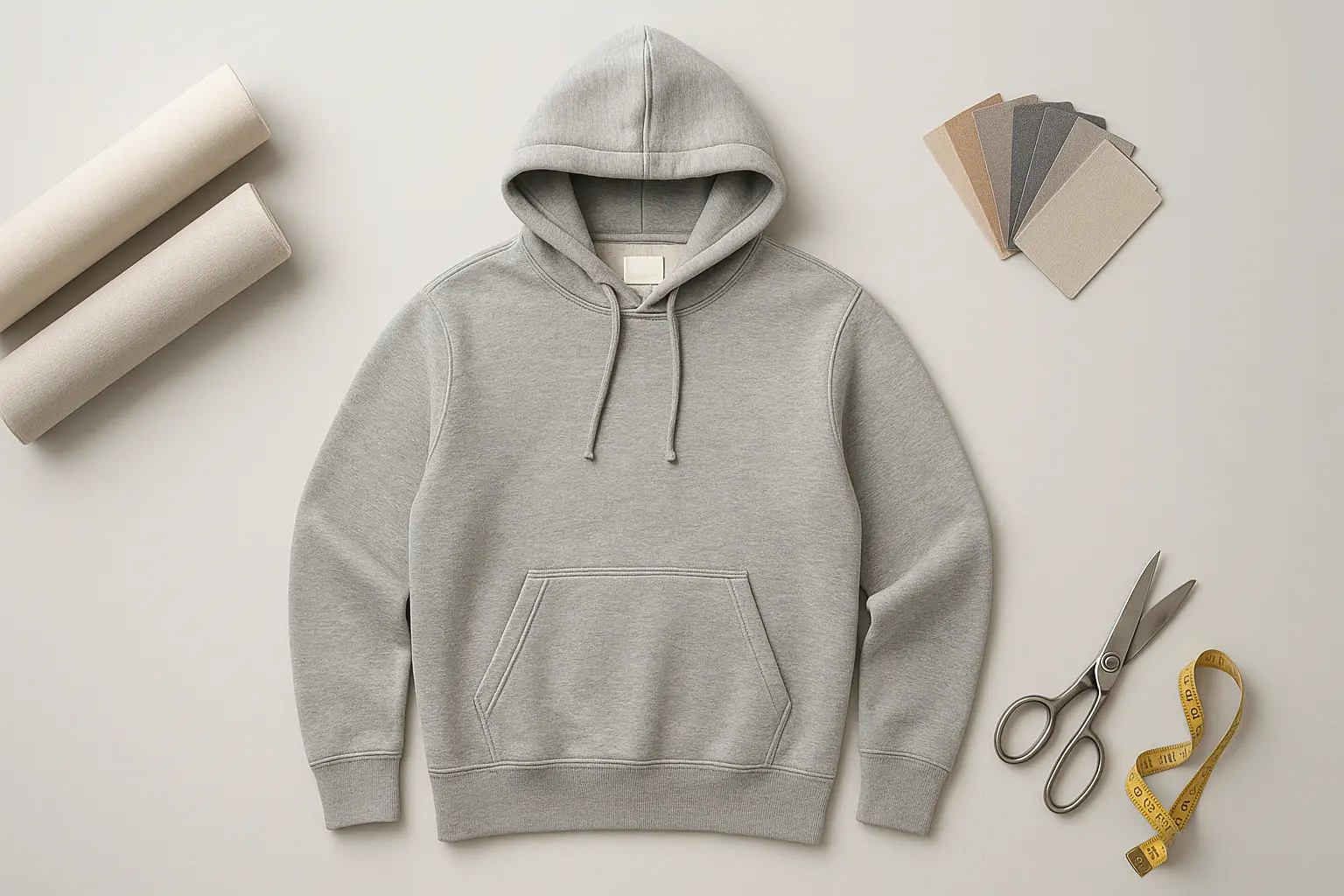
Launching or scaling a clothing brand requires making strategic decisions that influence product quality, customer satisfaction, and long-term success. Among these decisions, choosing the right hoodie manufacturer in USA is one of the most critical. Hoodies are a popular staple across streetwear, athleisure, lifestyle apparel, promotional merch, and seasonal collections. The right manufacturing partner ensures your hoodies not only look great but also align with your brand’s values, quality standards, and business goals.
In today’s competitive fashion landscape—where trends shift fast and customers expect premium quality—you need a manufacturer who offers reliability, flexibility, and craftsmanship. This article provides a detailed, step-by-step guide to help you select the perfect hoodie manufacturer for your clothing brand.
1. Identify Your Brand’s Needs and Production Requirements
Before contacting manufacturers, it’s essential to understand what your brand actually needs. Every manufacturer has strengths and limitations, and clarity on your requirements will help you choose the best fit.
Key questions to consider:
A. What style of hoodie are you producing?
Different manufacturers specialize in different styles, such as:
-
Pullover hoodies
-
Zip-up hoodies
-
Oversized or streetwear hoodies
-
Lightweight or heavy fleece hoodies
-
Fashion-forward cropped hoodies
-
Performance or athletic hoodies
Knowing your exact style helps narrow down manufacturers who can achieve the specific look and construction your brand requires.
B. What quality level do you want?
Define the positioning of your brand:
-
Luxury high-end
-
Premium streetwear
-
Mid-range everyday wear
-
Budget-friendly basics
-
Eco-conscious and sustainable
The quality level determines fabric selection, stitching quality, finishing techniques, and cost.
C. What is your budget per unit?
Hoodie manufacturing costs vary widely based on:
-
Fabric weight (e.g., 250–450 GSM)
-
Cotton type (organic, combed, ring-spun, recycled)
-
Printing method (DTG, screen printing, embroidery, puff print, etc.)
-
Quantities ordered
-
Manufacturing location
Define a realistic cost range so you only consider manufacturers who match your financial goals.
D. What are your Minimum Order Quantity (MOQ) needs?
If you're a startup or small brand, you may need low MOQs like 20–100 units.
Larger brands may need 1,000–10,000 units.
Choose a manufacturer whose MOQ aligns with your production volume.
2. Decide Between Domestic and Overseas Manufacturing
Where you choose to manufacture dramatically impacts cost, timelines, and quality.
A. Domestic (US-Based) Hoodie Manufacturers
Benefits:
-
Higher quality standards
-
Faster shipping and samples
-
Easier communication
-
Lower risk of delays
-
Stronger IP protection
-
Ethical labor compliance
Domestic manufacturers are ideal for brands that prioritize quality, speed, transparency, and sustainability.
Drawbacks:
-
Higher cost per unit
-
Limited bulk manufacturing capacity compared to overseas factories
B. Overseas Hoodie Manufacturers
Countries like China, Pakistan, Bangladesh, Turkey, Vietnam, and India dominate hoodie production.
Benefits:
-
Lower production costs
-
Large-scale manufacturing capabilities
-
Wide variety of fabrics and customization options
Drawbacks:
-
Longer shipping times
-
Communication challenges
-
Higher risk of quality inconsistencies
-
Import taxes and customs fees
-
Larger MOQs
Your choice depends on your budget, brand positioning, and production timeline.
3. Evaluate the Manufacturer’s Experience and Expertise
A manufacturer with industry expertise will understand hoodie construction, fabric behavior, sizing, and printing better than one specializing in generic apparel.
Look for manufacturers who:
-
Specialize in hoodies or fleece apparel
-
Have experience with your target market (streetwear, fitness, luxury, etc.)
-
Can show previous hoodie samples or portfolio work
-
Have long-term clients with successful brands
Experienced manufacturers will deliver smoother production, higher quality, and fewer errors.
4. Assess Fabric Quality and Material Options
Fabric is the heart of any hoodie. The right manufacturer should offer a range of options, including:
Common hoodie fabrics:
-
Cotton fleece (soft and breathable)
-
Poly-cotton blends (affordable and durable)
-
French terry (lightweight, premium feel)
-
Heavyweight fleece (streetwear and winter wear)
-
Organic cotton
-
Recycled polyester blends
-
Brushed or unbrushed fleece
Fabric characteristics to consider:
-
GSM (thickness and warmth)
-
Shrink resistance
-
Colorfastness
-
Texture and softness
-
Durability after washing
Request fabric swatches to see and feel the material firsthand before approving full production.
5. Review the Manufacturer’s Customization Capabilities
The best hoodie manufacturers offer a wide range of customization options so your brand can stand out.
Key customization capabilities include:
A. Printing Methods
-
Screen printing
-
DTG (Direct-to-Garment)
-
DTF (Direct-to-Film)
-
Sublimation
-
Vinyl heat transfer
-
Puff print
-
Metallic inks
-
Glow-in-the-dark
B. Embroidery Options
-
Standard embroidery
-
3D or puff embroidery
-
Chenille patches
C. Cut-and-Sew Customization
For fully custom hoodies:
-
Pattern development
-
Custom pockets
-
Specialty zippers
-
Unique color panels
-
Custom ribbing and cuffs
D. Labels and Packaging
-
Woven neck labels
-
Hang tags
-
Custom packaging
-
Private labeling
Choose a manufacturer that supports the level of customization your brand requires.
6. Examine Their Quality Control Process
Quality control ensures consistency and reduces the risk of defective items reaching customers.
A reliable manufacturer should provide:
-
Step-by-step quality checkpoints
-
Inspection before shipping
-
Fabric quality verification
-
Seam and stitching checks
-
Printing alignment verification
-
Size and measurement consistency
Ask if they follow international inspection standards like AQL (Acceptable Quality Limit).
7. Review Lead Times and Production Speed
Time is critical in the apparel industry. You must ensure the manufacturer can meet your deadlines.
Typical lead times:
-
Sampling: 7–21 days
-
Production: 3–8 weeks
-
Shipping:
-
Domestic: 2–7 days
-
Overseas: 2–6 weeks
-
Fast production can give your brand a competitive edge, especially if you release frequent drops or seasonal collections.
8. Ask for Samples Before Committing
Never place a bulk order without reviewing samples first.
Types of samples to request:
-
Fabric sample – to assess material quality
-
Blank hoodie sample – to check fit and construction
-
Print or embroidery sample – to evaluate the final look
-
Pre-production sample – a complete version of your hoodie before mass production
Samples ensure your expectations match the manufacturer’s capabilities.
9. Evaluate Communication and Customer Service
Good communication prevents misunderstandings, production delays, and unnecessary costs.
Signs of a communicative manufacturer:
Responds quickly to messages
-
Understands your requirements clearly
-
Provides detailed answers
-
Offers transparency throughout the process
Poor communication early on is a major red flag and may indicate future production problems.
10. Understand Pricing and Hidden Costs
Price affects profitability, but the cheapest option is rarely the best.
Consider the following cost factors:
-
Per-unit price
-
Customization fees
-
Shipping costs
-
Customs and duties (for overseas production)
-
Packaging and labeling costs
-
Sample fees
Always request a detailed quote to avoid surprises later.
11. Ask About Scalability
Your hoodie manufacturer should be able to grow with your brand.
Ask questions like:
-
Can you handle larger orders in the future?
-
Do you offer volume discounts?
-
Can you accommodate rush orders?
A scalable partner ensures smooth growth as your brand expands.
12. Check Reviews, Testimonials, and Client References
Research what other brands say about the manufacturer.
Look for feedback on:
-
Product quality
-
Reliability
-
Communication
-
On-time delivery
-
Customer service
Client references or case studies help validate the manufacturer’s credibility.
13. Consider Sustainability and Ethical Manufacturing
Modern consumers value responsible brands.
If sustainability matters to you, ask:
-
Do you use eco-friendly fabrics?
-
Are your dyeing processes environmentally safe?
-
Are working conditions ethical?
-
Do you have certifications like GOTS or OEKO-TEX?
Choosing an ethical manufacturer enhances your brand image and builds customer trust.
14. Build a Long-Term Relationship
Once you find the right manufacturer, nurturing the relationship leads to smoother production and better pricing over time.
Ways to strengthen the partnership:
-
Communicate openly
-
Pay invoices on time
-
Provide clear feedback
-
Treat the manufacturer as a partner, not just a supplier
Strong relationships lead to priority support and higher-quality results.
Conclusion: Selecting the Right Hoodie Manufacturer Sets the Foundation for Your Brand’s Success
Choosing the right hoodie manufacturer is more than a simple business decision—it’s a major step that shapes your brand’s quality, reputation, and long-term growth. By understanding your needs, evaluating quality and customization capabilities, reviewing communication, checking reviews, and ensuring scalability, you’ll be able to partner with a manufacturer who aligns with your vision.
Whether you choose a domestic supplier for faster delivery and premium craftsmanship or an overseas factory for lower costs and large-scale production, the goal is the same: find a reliable partner who can bring your designs to life consistently and professionally.
When you work with the right manufacturer, your hoodies won’t just meet expectations—they’ll elevate your brand.

 English
 Arabic
 French
 Spanish
 Portuguese
 Deutsch
 Turkish
 Dutch
Dutch
 Italiano
 Russian
 Romaian
 Greek
Greek