


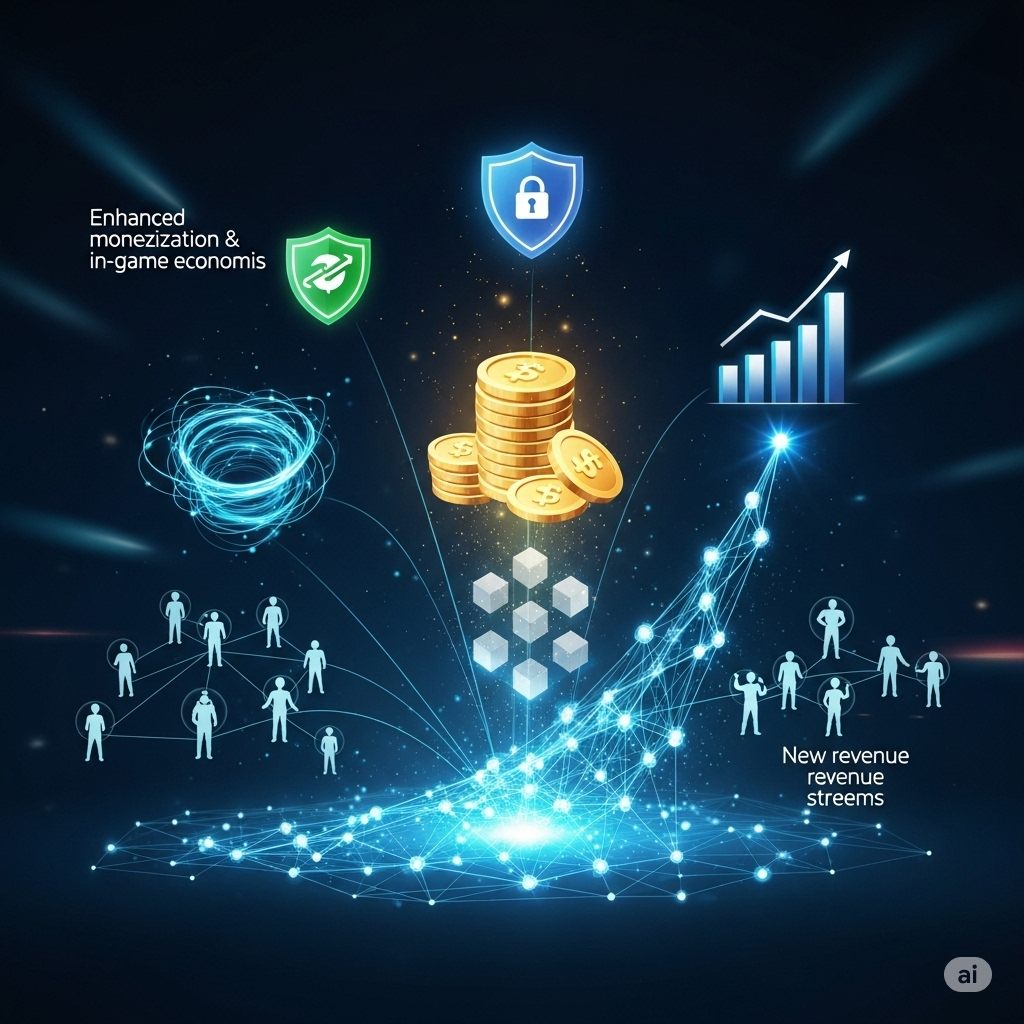
Mobile gaming continues to dominate the global entertainment landscape, but as the industry grows, concerns around security, asset ownership, gameplay fairness, and monetization also become more complex. Enter blockchain technology, a potent disruptor enabling a new era of secure, transparent, and engaging mobile gaming experiences.
In this blog, we'll explore the top benefits of using blockchain in mobile game development—including enhanced security, verifiable asset ownership, improved transparency, new revenue models, and more. Bonus: We'll also show how blockchain can significantly improve both developer and player experiences.
What Is Blockchain and Why Does It Matter for Mobile Games?
At its core, blockchain is a decentralized, distributed ledger system that records transactions across multiple computers. In gaming, blockchain provides:
-
Immutable (unchangeable) records of transactions
-
Decentralized storage, reducing single points of failure
-
Cryptographic security for both data and payments
This foundation brings numerous advantages to secure game development and sets the stage for innovations in the mobile gaming world.
Unmatched Mobile Game App Security
Security is the number one concern for developers and players alike—with in-game purchases, personal data, and progress all at risk from hackers or fraudulent actors. Blockchain fortifies mobile game app security on several fronts:
-
Immutability: Every in-game transaction and asset transfer is permanently recorded and cannot be altered, making fraud and hacking attempts highly detectable.
-
Fraud Prevention: Smart contracts automate and secure transactions, reducing human error and eliminating manipulation by malicious third parties.
-
Decentralized Data Storage: Instead of keeping player data and transaction logs in a centralized server (a target for breaches), blockchain distributes data, greatly minimizing the chances of a successful attack.
Genuine Ownership of In-Game Assets
Traditionally, when you buy skins, weapons, or collectibles in a mobile game, you don't truly own them—the developer does. Blockchain introduces the concept of actual digital ownership:
-
NFT Integration: In-game assets (like skins, weapons, or characters) can be tokenized as NFTs (non-fungible tokens), giving players complete control to buy, sell, or trade items beyond the confines of the original game.
-
Cross-Game Utility: Some blockchain-powered games even allow you to use your assets across different games, expanding their value.
-
Player Empowerment: Players can finally accumulate real value from their time and money spent in games.
Transparent, Fair, and Cheater-Resistant Game Mechanics
Fairness is central to player trust. Blockchain delivers unmatched transparency:
-
Transparent Game Logic: By using smart contracts, core gameplay mechanics—such as reward distribution, loot drops, or match outcomes—can be placed on-chain. Anyone can audit the rules, ensuring fair play for everyone.
-
Anti-Cheating: The decentralized validation process and public visibility of transactions make cheating or manipulating game results exceedingly difficult.
Enhanced Monetization and Revenue Models
Blockchain unlocks several new business models and revenue streams for both developers and players:
-
Play-to-Earn (P2E): Players can earn cryptocurrency or tokenized assets by playing the game, selling collectibles, or completing achievements. This transforms gamers from "spenders" to stakeholders.
-
Secondary Market Trading: Developers can earn royalties from player-to-player trades of in-game assets, creating long-tail revenue streams even after the initial game sale.
-
Micropayments and Direct Crowdfunding: Blockchain supports decentralized microtransactions without exorbitant fees, empowering indie developers and allowing fans to support their favorite projects directly.
Decentralization and Player Governance
By removing overreliance on publishers or central servers, blockchain brings power back to both developers and players:
-
Decentralized Game Worlds: Game assets, currencies, and even parts of the game itself can be governed by the community, rather than a single entity.
-
Player Voting: Players may have voting rights on future game features, rule changes, or content additions, fostering engagement and loyalty.
Read More :- Why Multiplayer Modes Drive Higher Engagement in Ludo Game Apps
Interoperability and Cross-Platform Play
Blockchain isn't just a siloed technology:
-
Universal Wallets: Players can store game assets and currencies in digital wallets usable across multiple games.
-
Interoperability: Developers can design assets usable in different games or platforms, increasing asset utility and value.
Reduced Distribution Costs and Elimination of Middlemen
For many developers, profit margins are squeezed by third-party stores and payment processors. Blockchain enables:
-
Direct-to-Consumer Sales: Developers can sell their games and in-game items directly to players, with lower transaction fees and no platform cuts.
-
Automated Smart Contract Payouts: Payments (including royalties and microtransactions) are handled directly, reliably, and transparently.
Strengthened Trust and Player Community
Blockchain's transparency and security foster a deeper level of trust:
-
Immutable Audit Trails: Players can track the entire history of an in-game asset or transaction, eliminating doubts about legitimacy or fairness.
-
Community Engagement: With blockchain, communities can be involved in governance, content creation, and even game economics, securing a more invested and loyal player base.
Real-World Use Cases: How Blockchain Is Already Transforming Mobile Gaming
Here are some examples of the above benefits in action:
-
NFT-Based Mobile Games: Games like "Axie Infinity" and "Splinterlands" allow players to acquire, breed, or fight with blockchain-based characters, which can be sold for real-world value.
-
Decentralized Game Economies: Players in "Web3" mobile games can own land, build assets, and create new digital marketplaces—creating a real, player-owned economy.
-
Provable Fairness in Casino or Card Games: Blockchain's transparency is used to prove that each outcome is random and fair.
Challenges and Considerations
While the benefits are compelling, developers must also account for:
-
User Experience: Blockchain integration must be seamless, with intuitive UI/UX and minimal friction for players unfamiliar with crypto.
-
Scalability: Public blockchains can be slow or expensive; using faster sidechains or Layer 2 solutions is critical.
-
Regulatory Concerns: Handling real-value assets, cryptocurrencies, and NFTs may involve regulatory compliance depending on the country.
Conclusion
Blockchain in mobile games is more than just a buzzword—it's fundamentally changing the way games are developed, played, and monetized. By enabling secure game development, guaranteeing actual asset ownership, and opening up vibrant new economies, blockchain is paving the way for mobile gaming's next evolution.
Whether you're a developer seeking robust security and innovative monetization, or a gamer eager for ownership and fairness, blockchain promises a future where both parties win.
Embrace the revolution—explore what blockchain can do for your next mobile gaming project!

 English
 Arabic
 French
 Spanish
 Portuguese
 Deutsch
 Turkish
 Dutch
Dutch
 Italiano
 Romaian
 Portuguese (Brazil)
 Greek
Greek