


In today’s competitive marketplace, branding extends far beyond digital platforms. Businesses, sports teams, fashion labels, and organizations rely on customized apparel and promotional merchandise to strengthen recognition and build credibility.
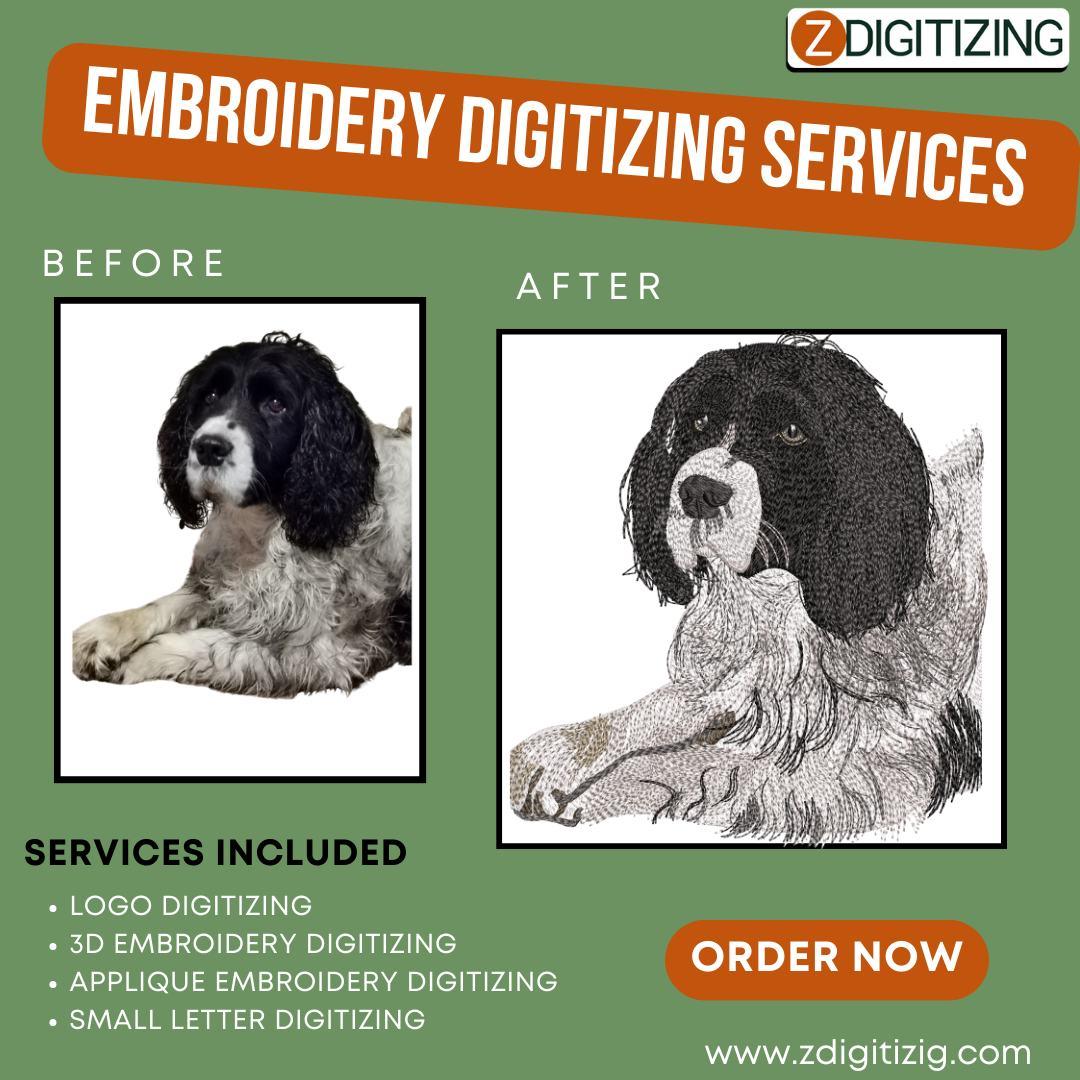
One of the most important technical steps behind high-quality embroidered products is embroidery digitizing. Professional embroidery digitizing services convert artwork into precise, machine-readable stitch files that ensure durability, clarity, and consistency.
Whether producing uniforms, promotional caps, corporate apparel, or retail garments, accurate digitizing directly impacts the final result. Poor digitizing can damage fabric, distort logos, and increase production costs. Skilled digitizing, on the other hand, protects brand integrity and ensures professional output.
What Are Embroidery Digitizing Services?
Embroidery digitizing is the technical process of converting artwork, such as logos, monograms, or illustrations, into stitch files that embroidery machines can interpret. This process involves more than uploading an image into software. A trained digitizer manually defines stitch types, density, direction, sequencing, underlay structure, and compensation settings based on fabric type and design complexity.
Because embroidery machines strictly follow programmed instructions, even minor errors in digitizing can result in thread breaks, misalignment, or uneven stitching. Professional digitizing ensures that each design is engineered specifically for embroidery production rather than simple graphic display.
Why Professional Digitizing Matters for Brand Consistency
Businesses that invest in custom embroidery expect consistent results across multiple garments and production runs. Professional embroidery digitizing services contribute to this consistency through:
- Technical Precision: Accurate stitch planning preserves logo proportions, clean lettering, and defined borders.
- Fabric Optimization: Cotton, polyester, fleece, and structured caps behave differently during stitching. Proper settings reduce puckering and distortion.
- Production Efficiency: Optimized stitch paths lower thread trims and machine downtime.
- Cost Control: Efficient stitch counts help manage thread usage and production time without compromising quality.
For companies producing uniforms or promotional apparel at scale, these factors directly affect operational efficiency and brand perception.
Business Advantages of Professional Embroidery Digitizing Services
High-quality embroidery contributes to a strong and reliable brand image. Compared to basic printing methods, embroidery offers durability and a premium appearance that lasts through repeated washing and wear.
Key business benefits include:
- Long-term durability for uniforms and workwear
- Professional appearance suitable for corporate environments
- Reusable digital files for consistent reorders
- Adaptability across caps, jackets, polos, bags, and promotional items
For growing businesses, having properly digitized files ensures scalability. Once optimized, files can be used repeatedly without redesigning from scratch.
Industries That Depend on Embroidery Digitizing
Professional embroidery digitizing services support a wide range of sectors, including:
- Corporate organizations producing branded uniforms
- Sports teams requiring consistent logos on jerseys and caps
- Educational institutions ordering apparel and merchandise
- Fashion brands integrating embroidery into collections
- Hospitality and service industries outfitting staff
Each industry requires accuracy, durability, and dependable file performance. Experienced digitizers understand these production demands and tailor files accordingly.
The Future of Embroidery Digitizing
Advancements in digitizing software continue to improve precision and efficiency. Techniques such as 3D puff embroidery, layered stitching, and gradient effects are increasingly common. However, automation alone cannot replace skilled human judgment. Fabric behavior, thread tension, and production variables still require practical embroidery knowledge.
As customization demand increases, professional digitizing remains essential for delivering consistent and technically sound results.
Final Thoughts
Embroidery digitizing services play a critical role in producing high-quality embroidered apparel and promotional products. The process requires technical understanding, hands-on production knowledge, and careful planning to ensure each stitch performs correctly on fabric.
Businesses that prioritize professional digitizing with ZDigitizing benefit from improved consistency, reduced production errors, and long-lasting branded apparel. Investing in expert digitizing is not simply a design decision, it is a strategic move that supports operational efficiency and brand credibility.
Frequently Asked Questions (FAQs)
1. What file formats are commonly used in embroidery digitizing?
Common embroidery file formats include DST, PES, EXP, JEF, and VP3. The required format depends on the embroidery machine brand being used.
2. Can any image be converted into an embroidery file?
Most designs can be digitized, but highly detailed artwork or very small text may require adjustments to ensure clean stitching. A professional digitizer can recommend modifications for optimal results.
3. How long does professional embroidery digitizing take?
Turnaround time depends on design complexity. Simple logos may take a few hours, while intricate designs with multiple colors and details can take longer.
4. Why can’t I use the same digitized file for all fabrics?
Different fabrics stretch and respond differently during stitching. A file optimized for a cap may not perform well on a lightweight polo. Adjustments are often necessary to maintain accuracy and quality.

 Arabic
 French
 Spanish
 Portuguese
 Deutsch
 Turkish
 Dutch
Dutch
 Italiano
 Russian
 Romaian
 Portuguese (Brazil)
 Greek
Greek