


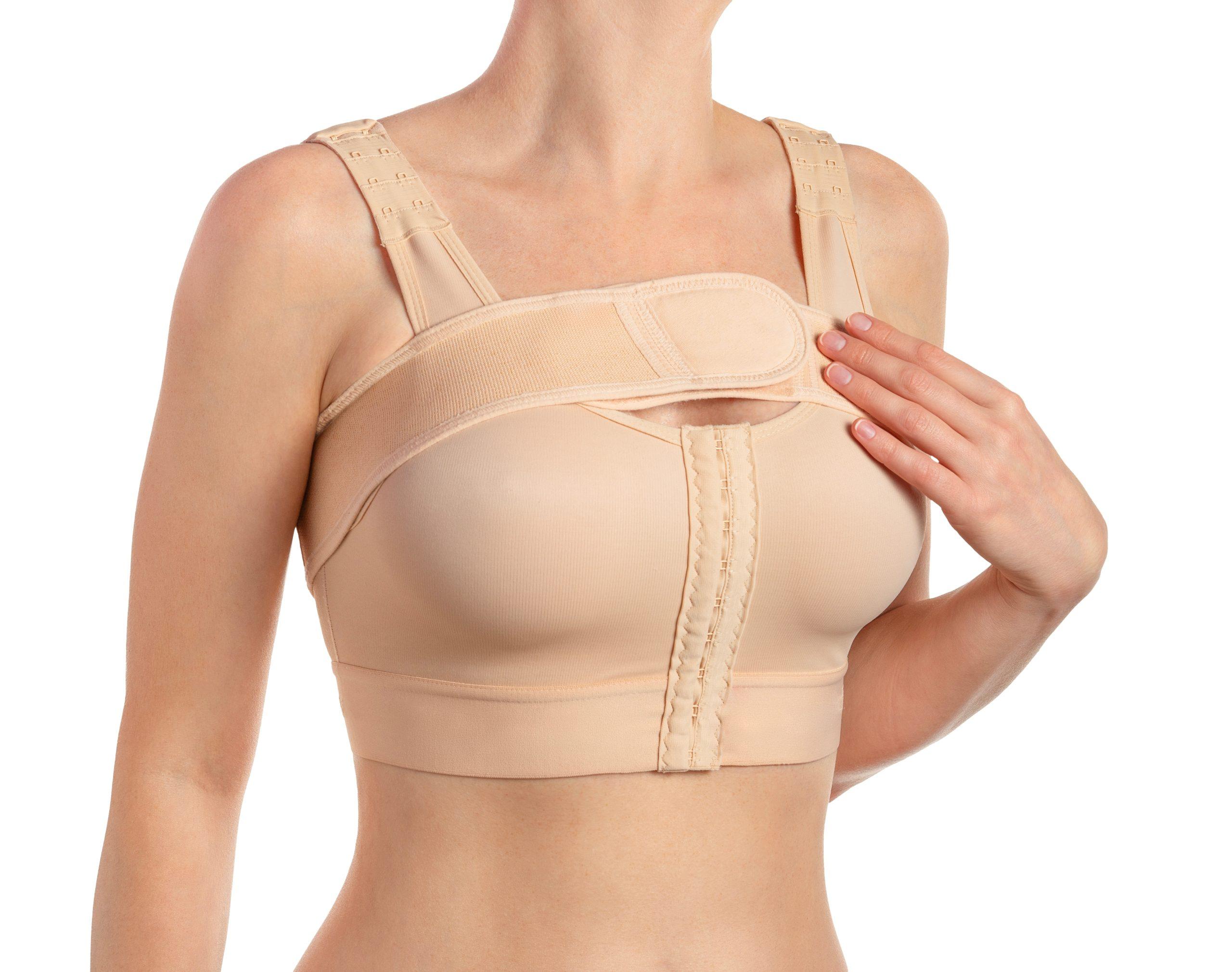
Breast shape and firmness are influenced by a combination of genetics, aging, pregnancy, and lifestyle factors, with weight fluctuations playing a particularly significant role. Significant weight loss, whether achieved through diet, exercise, or surgical procedures, can dramatically alter the appearance of the breasts. Understanding how weight loss affects breast sagging and the potential results of a breast lift is important for anyone considering mastopexy to improve breast contour and overall aesthetics. Breast lift surgery in Riyadh is a popular cosmetic option for women seeking to restore a firmer, more youthful breast shape while enhancing overall body confidence.
Breasts are composed of fatty tissue, glandular tissue, and connective ligaments, all supported by the overlying skin. The fatty tissue in particular responds directly to changes in body weight. When a person gains weight, fat accumulates in the breast, increasing volume and stretching the skin. Conversely, when weight is lost, especially a large amount, breast fat diminishes, often leaving behind excess skin that no longer conforms to the reduced volume. This loss of fullness is a primary cause of breast sagging, or ptosis, following weight reduction.
The degree of sagging depends on several factors, including the amount of weight lost, the elasticity of the skin, age, and genetic predisposition. Younger women or those with more resilient skin may experience less noticeable sagging, as their skin retains some capacity to retract. Older women or individuals with naturally thinner, less elastic skin may experience more pronounced drooping. Additionally, women who have undergone multiple pregnancies or have breastfed may have already experienced stretching of the breast tissue, making weight-loss-induced sagging more significant.
Weight loss can also impact breast symmetry. As fat is lost, breasts may reduce in size at slightly different rates, creating unevenness. This is another reason why women often consider a breast lift after weight loss: the procedure can restore balance by reshaping and lifting each breast individually to achieve a more symmetrical and youthful appearance.
Timing of a breast lift relative to weight loss is critical for optimal results. Surgeons typically recommend waiting until weight has stabilized before undergoing surgery. Performing a breast lift before reaching a stable weight may lead to suboptimal outcomes, as further weight fluctuations can stretch the skin again and compromise the long-term aesthetic result. By waiting until the body has settled into a consistent weight, patients can ensure that the lift addresses the sagging tissue effectively without being undermined by subsequent changes.
Weight loss can also influence the type of breast lift technique chosen. Women with mild sagging after moderate weight loss may benefit from less invasive approaches, such as a periareolar or crescent lift. In contrast, those who have experienced significant sagging due to major weight loss may require more extensive techniques, such as a vertical (lollipop) lift or an anchor (inverted-T) lift, to remove excess skin and reshape the breast fully. In cases of extreme skin laxity, these more comprehensive procedures allow for both lifting and contouring, resulting in a firmer, more proportionate breast shape.
Another consideration is the combination of a breast lift with augmentation or reduction. After weight loss, some women may feel their breasts appear smaller or less proportionate. In such cases, a breast lift combined with implants can restore volume while simultaneously lifting the breast. Conversely, if the breasts remain relatively large after weight loss but are sagging, a lift combined with reduction may be preferred to improve both shape and comfort.
Recovery and long-term results are also influenced by weight stability. Maintaining a healthy, stable weight after surgery helps preserve the lift and minimizes the risk of recurrent sagging. Weight gain following a breast lift can stretch the skin and tissue, diminishing the surgical results, while further weight loss may leave additional excess skin if it occurs after surgery. A balanced diet, regular exercise, and proper lifestyle habits are therefore important for maintaining optimal outcomes.
In conclusion, weight loss has a significant impact on breast shape and firmness. While shedding excess weight can improve overall health and body proportion, it often leads to breast sagging due to loss of volume and stretched skin. Breast lift surgery offers an effective solution for restoring breast position, contour, and symmetry after weight loss. Careful planning, timing, and maintenance of stable weight are key factors in achieving the best results and enjoying a more youthful and proportionate breast appearance.

 Arabic
 French
 Spanish
 Portuguese
 Deutsch
 Turkish
 Dutch
Dutch
 Italiano
 Russian
 Romaian
 Portuguese (Brazil)
 Greek
Greek