


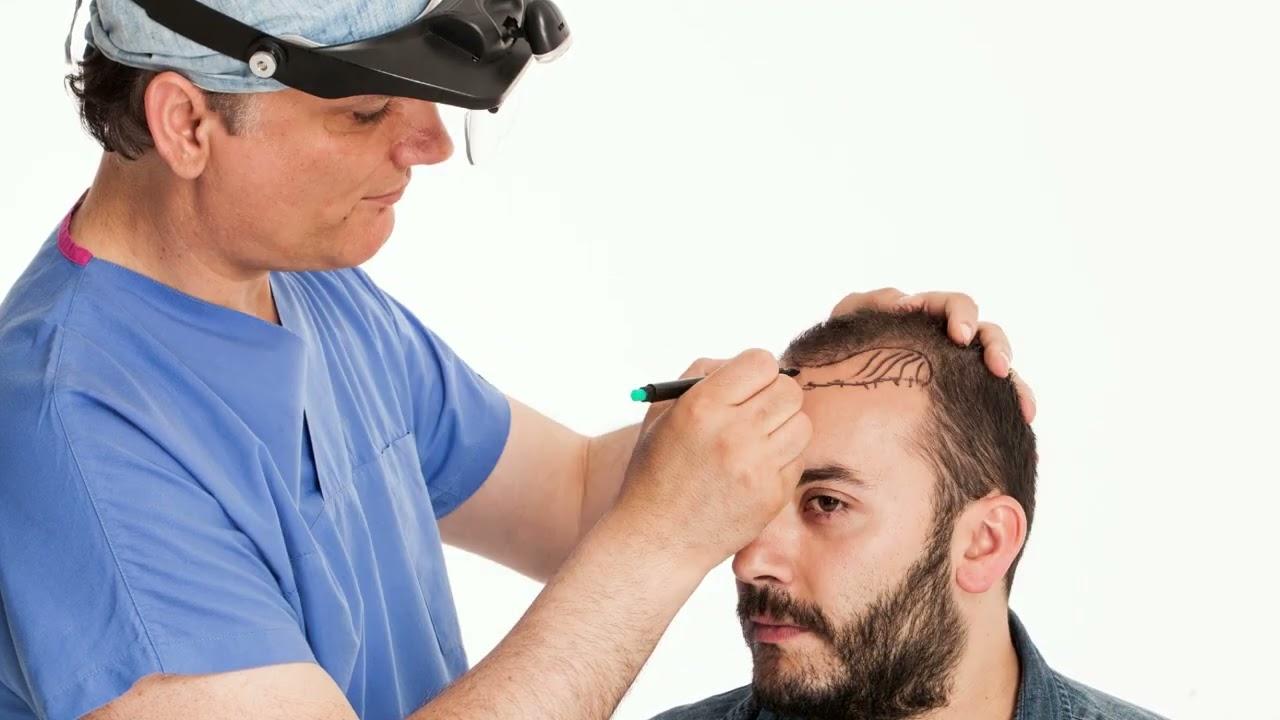
FUE vs. DHI: Comparing Costs and Results in Riyadh
Choosing between Follicular Unit Extraction (FUE) and Direct Hair Implantation (DHI) is often the most critical technical decision a patient makes when assessing their options in the Saudi capital. The hair transplant cost in Riyadh(تكلفة زراعة الشعر في الرياض) varies between these two methodologies, reflecting the different levels of time, specialized equipment, and surgical precision required. While FUE remains the established global standard for covering large areas of hair loss efficiently, DHI has emerged as a premium alternative favored for its meticulous "one-step" implantation process. In the Riyadh medical market of 2026, FUE procedures generally range from SAR 10,000 to SAR 25,000, whereas DHI often commands a premium, with prices typically falling between SAR 15,000 and SAR 35,000. Understanding the nuances of these techniques is essential for patients who wish to balance their aesthetic goals with a realistic financial plan.
Technical Differences: How the Methods Work
To understand the price gap, one must first understand how the labor and technology differ between these two popular restoration methods.
-
FUE (Follicular Unit Extraction): In this method, the surgeon extracts individual follicles from the donor area (usually the back of the head). Once extracted, the surgeon creates small "channels" or incisions in the recipient area before manually placing each graft. This two-step implantation process is highly effective but requires the hair to be outside the body for a slightly longer duration.
-
DHI (Direct Hair Implantation): DHI is often described as a refined version of FUE. Instead of creating channels first, the surgeon uses a specialized tool called a Choi Implanter Pen. This tool allows the follicle to be loaded and then implanted directly into the scalp in one swift motion. This combines the "channel-opening" and "placement" steps, giving the surgeon extreme control over the angle, depth, and direction of every single hair.
Cost Comparison: Why DHI is Priced Higher
The 20% to 40% price premium for DHI in Riyadh is not arbitrary; it is driven by several operational factors that affect the clinic’s overhead.
| Feature | FUE (Standard/Sapphire) | DHI (Direct Hair) |
| Average Cost (Riyadh) | SAR 10,000 – 25,000 | SAR 15,000 – 35,000 |
| Equipment | Micro-punches & Blades | Disposable Choi Implanter Pens |
| Medical Team | 2–3 Specialists | 3–5 Specialists (Higher labor) |
| Procedure Time | 4 – 6 Hours | 6 – 9 Hours (Slower/Precise) |
| Shaving Required | Usually Full Head | Often Optional (No-Shave) |
The use of the Choi pen is the primary cost driver. These pens are often single-use or require high-level sterilization, and a single procedure may require several pens to be used simultaneously by multiple technicians to ensure the grafts remain viable.
Results and Density: Which is Better?
While both techniques can produce life-changing results, they are often recommended for different types of hair loss patterns.
1. The FUE Advantage: Bulk Coverage
FUE is widely regarded as the "workhorse" of hair restoration. Because the implantation process is faster, it is the superior choice for patients who need to cover a large surface area (e.g., a completely bald crown and a receded hairline). In Riyadh, FUE is the go-to recommendation for patients needing 3,500 grafts or more in a single session. It offers excellent value for money while delivering a 90% to 95% graft survival rate.
2. The DHI Advantage: Precision and "No-Shave"
DHI is the "artist’s tool" of the industry. Because of the precision of the Choi pen, surgeons can place grafts closer together without damaging existing hair. This makes DHI ideal for:
-
Hairline Artistry: Creating a soft, natural-looking transition at the forehead.
-
Female Hair Restoration: Women often prefer DHI because it can be performed without shaving the entire head.
-
Filling in Gaps: For patients who still have some hair but want to increase density in specific "see-through" spots.
Recovery and Graft Survival
In 2026, data from Riyadh clinics suggests that DHI may offer a slightly faster recovery timeline. Because DHI does not require pre-made incisions, there is often less trauma to the scalp tissue, which can lead to reduced swelling and scabbing in the first 72 hours. Furthermore, because the hair follicles spend less time outside the body in a DHI procedure (the "ischaemia time" is shorter), some studies suggest a marginal increase in graft survival rates compared to traditional FUE. However, when Sapphire FUE is used—which utilizes gemstone blades for cleaner incisions—the recovery gap between the two methods becomes negligible.
Making the Final Choice
Ultimately, the decision between FUE and DHI in Riyadh should be based on your specific hair loss grade and your tolerance for shaving. If you require maximum coverage for a limited budget, FUE is the most logical investment. If you are a professional who cannot afford a "fully shaved" look and you only require high-density work in a smaller area like the hairline, the extra cost of DHI is often seen as a justified investment in discretion and precision.

 Arabic
 French
 Spanish
 Portuguese
 Deutsch
 Turkish
 Dutch
Dutch
 Italiano
 Russian
 Romaian
 Portuguese (Brazil)
 Greek
Greek