


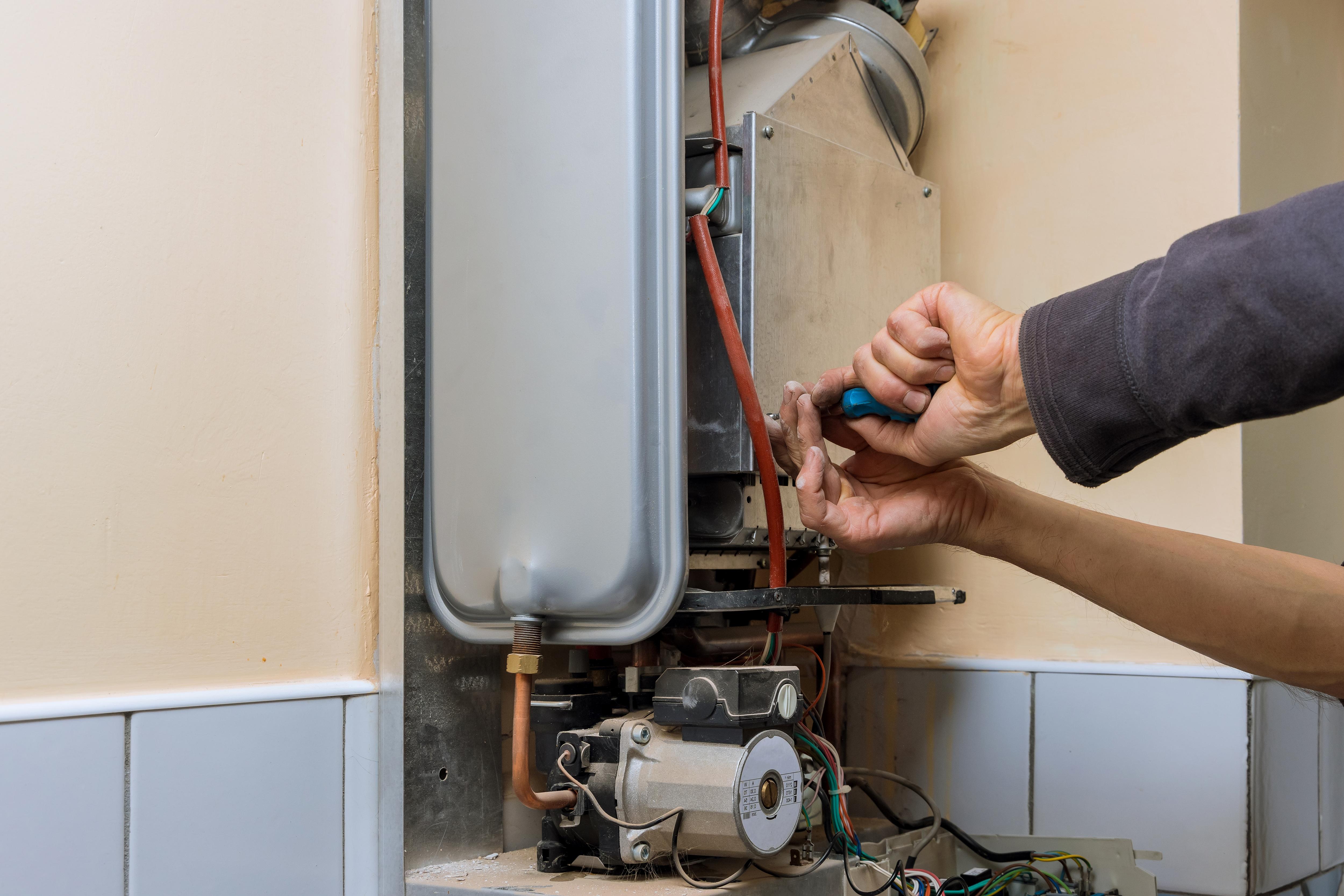
Most homeowners never think about the flame sensor until the furnace stops working. You hear the unit start. Burners light. Then the system shuts off within seconds. The house stays cold. That situation often traces back to flame sensor problems.
Small metal rod. Big responsibility. This article explains how it works, what fails, and why professional furnace inspection often solves recurring gas furnace flame sensor issues.
What a Flame Sensor Actually Does
Flame sensor confirms burner flame is present after ignition. If the sensor does not detect flame, gas valve closes. That prevents raw gas from filling the combustion chamber.
In short, the flame sensor acts as a safety verification device. Without it, the furnace would not run safely.
How Flame Sensor Affects Heating Performance
When the sensor works properly:
-
Burners stay lit
-
Heat cycle continues
-
Air reaches a set temperature
When the sensor struggles:
-
The furnace starts, then shuts off
-
Short cycling happens
-
Thermostat never reaches set point
Many homeowners think the thermostat or ignitor failed. Often it is the flame sensor losing signal.
Common Gas Furnace Flame Sensor Issues
Dirty Flame Sensor Rod
Over time, carbon buildup forms on the rod surface. That coating blocks the electrical signal. This can cause the sensor to fail, resulting in a missed flame. Professional cleaning can restore function if caught early.
Corrosion or Cracking
Metal fatigue develops after years of heating cycles. Small fractures reduce signal strength. Replacement becomes necessary. Most flame sensors last 3–5 years, depending on usage.
Loose Wiring or Grounding Problem
The sensor relies on proper grounding through the burner assembly. A loose screw or wiring fault interrupts the signal. The furnace shuts down even when the flame is steady.
Warning Signs Homeowners Notice First
-
The furnace runs for 5–10 seconds, then stops
-
Repeated clicking during startup
-
System locks out and requires reset
-
Heat comes and goes
Ignoring these signs increases wear on the control board and gas valve.
Why DIY Cleaning Is Not Always Enough
Some homeowners remove flame sensor and clean it with sandpaper. That sometimes works.
Problems occur when:
-
Wrong abrasive damages rod coating
-
Sensor reinstalled without proper alignment
-
Underlying grounding issue remains
-
Control board signal fault goes untested
The system may work for a short time. Then shutdown returns. That is why professional furnace inspection matters. Inspection includes flame signal testing in microamps, voltage checks, burner inspection, and airflow measurement.
Cost Impact of Ignoring Flame Sensor Problems
Service calls for simple sensor cleaning remain moderate in cost. Waiting until repeated shutdown damages control board increases repair bill significantly.
Short cycling also reduces furnace lifespan and raises utility use.
Why Professional Furnace Inspection Makes a Difference
During inspection, the technician measures:
-
Flame signal strength
-
Burner flame pattern
-
Ignition timing
-
Gas pressure
-
Vent draft
That full review confirms the root cause instead of replacing parts by guesswork.
Chill Factor Cooling & Heating handles gas furnace flame sensor issues with proper testing equipment and safety procedures. Their team focuses on accurate diagnosis so homeowners avoid repeat shutdowns during cold months.
Final Takeaway
The flame sensor may look minor, yet it controls the entire heating cycle. When it fails, comfort drops fast.
If your furnace starts, then shuts off or struggles to stay lit, flame sensor problems should be tested early. A scheduled professional furnace inspection keeps the heating system stable and reduces surprise breakdowns.
CTA: Experiencing furnace short cycling or ignition shutdown? Contact Chill Factor Cooling & Heating for professional furnace inspection and accurate repair that restores steady heat.

 Arabic
 French
 Spanish
 Portuguese
 Deutsch
 Turkish
 Dutch
Dutch
 Italiano
 Russian
 Romaian
 Portuguese (Brazil)
 Greek
Greek