


Recovering from breast augmentation is a critical part of the overall surgical process, and understanding what to expect can help patients in Riyadh manage their healing effectively. Proper recovery not only ensures optimal results but also reduces the risk of complications and promotes comfort during the postoperative period. While each patient’s experience may vary depending on factors like the type of implants, surgical technique, and individual healing rate, there are general stages and considerations to anticipate during breast augmentation recovery. Breast augmentation surgery in Riyadh has become increasingly popular among individuals seeking to enhance their body confidence and achieve a more proportionate figure.
Immediately After Surgery
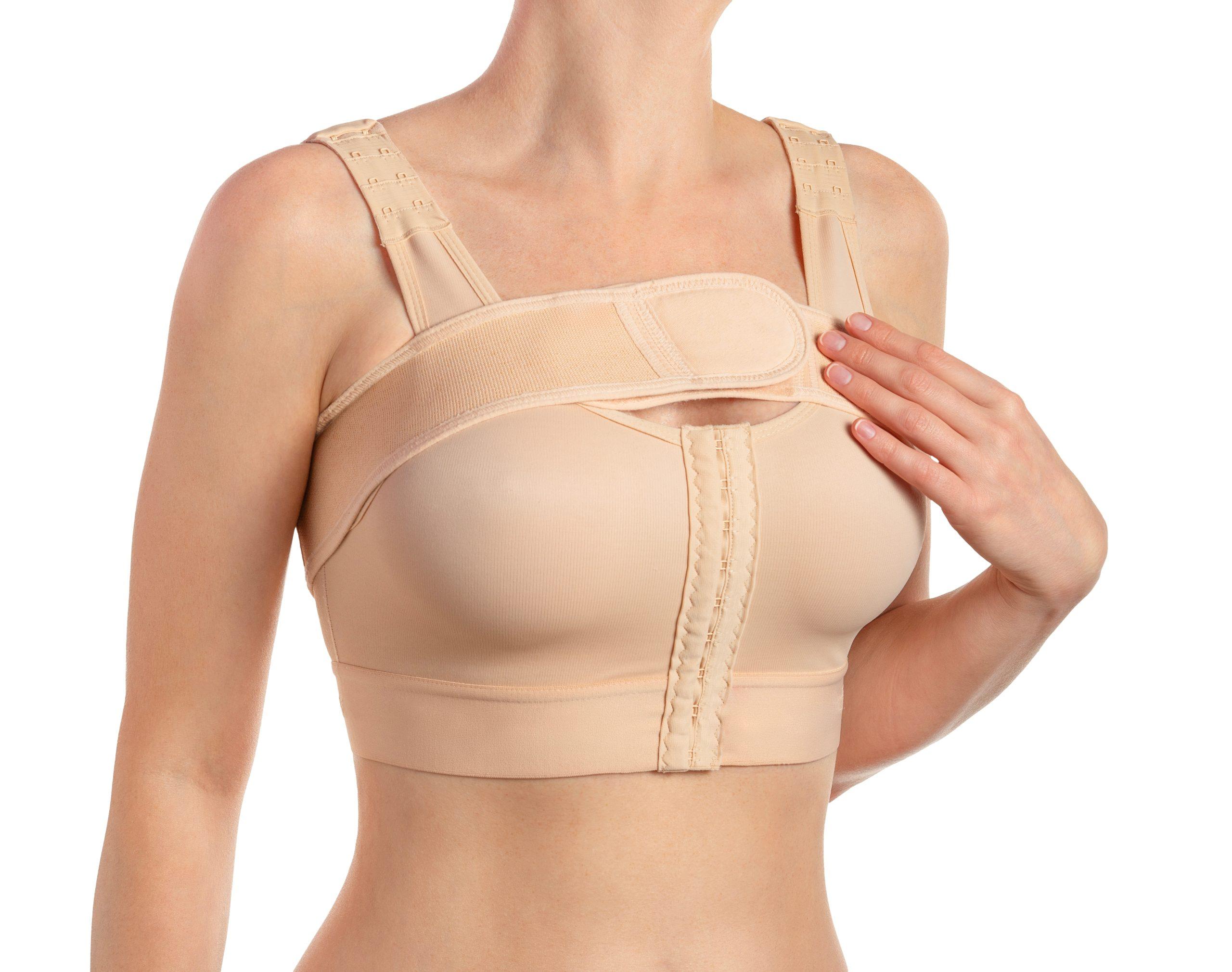
Once breast augmentation surgery is complete, patients are typically monitored in a recovery area for a few hours to ensure they are stable after anesthesia. Most women experience grogginess, mild nausea, and discomfort, which are normal effects of general anesthesia. The surgeon will provide pain medication to manage soreness and ensure the patient is comfortable. Surgical dressings or a supportive bra are usually applied immediately to help stabilize the implants and reduce swelling.
During this initial phase, it is common to experience tightness in the chest, swelling, and minor bruising. These symptoms are a normal response to surgical trauma and typically subside within the first few weeks. Patients are advised to have someone accompany them home and assist with basic tasks for the first 24 to 48 hours, as bending, lifting, or sudden movements can cause discomfort.
First Week of Recovery
The first week after breast augmentation is generally the most challenging period. Patients may feel soreness, stiffness, and fatigue. Pain levels vary depending on whether the implants were placed under or over the chest muscle. Submuscular placement often results in more initial discomfort because the muscle has been manipulated during surgery.
Swelling and bruising are normal and can last for one to two weeks. Cold compresses and prescribed pain medication can help alleviate discomfort. It is important to follow all postoperative instructions, including wearing the surgical bra as directed, avoiding heavy lifting, and sleeping in a slightly elevated position to reduce swelling. Most patients are encouraged to walk gently around the house to maintain circulation, but strenuous activity should be strictly avoided.
Weeks Two to Four
By the second week, many patients notice that swelling begins to decrease, and bruising fades. Some women may be able to return to light daily activities and desk work, depending on their comfort level and the surgeon’s advice. Physical activity should still be limited, especially avoiding exercises that involve the chest muscles or heavy lifting.
During this period, patients may notice mild tightness or tingling in the breast area, which is normal as the tissues adjust to the implants. Sensation around the nipple and breast may also feel temporarily altered, ranging from numbness to increased sensitivity. These changes usually improve gradually over time. Wearing the recommended supportive bra remains crucial, as it helps maintain implant position and reduces tension on the healing incisions.
Weeks Four to Six
At around four to six weeks, most patients experience significant improvement in comfort and mobility. Swelling continues to decrease, and the breasts start to settle into a more natural position. Many surgeons allow patients to resume moderate exercise, such as walking or light cardio, but activities that strain the chest or upper body should still be avoided until cleared by the surgeon.
It is also common for patients to notice minor irregularities, firmness, or asymmetry as the implants settle. These variations are usually temporary and improve as the surrounding tissues adapt. Following any recommendations for massage or gentle implant manipulation, if advised by the surgeon, can support proper healing and reduce the risk of scar tissue formation.
Long-Term Recovery
Full recovery from breast augmentation generally takes several months. By the three- to six-month mark, swelling has largely resolved, incisions have matured, and implants have fully settled into their final position. At this stage, patients can return to regular exercise routines, including chest workouts, under the guidance of their surgeon.
Scars from the incision sites may appear red or raised initially but typically fade over time, becoming less noticeable after six to twelve months. Sun protection and scar care, such as topical treatments recommended by the surgeon, can help improve the appearance of scars.
Throughout the recovery process, regular follow-up visits with the surgeon are essential. These appointments allow the medical team to monitor healing, check implant placement, and address any concerns promptly. Following the surgeon’s instructions regarding activity restrictions, bra usage, and incision care is crucial to achieve the best aesthetic outcome and prevent complications such as infection, capsular contracture, or implant displacement.

 Arabic
 French
 Spanish
 Portuguese
 Deutsch
 Turkish
 Dutch
Dutch
 Italiano
 Russian
 Romaian
 Portuguese (Brazil)
 Greek
Greek