


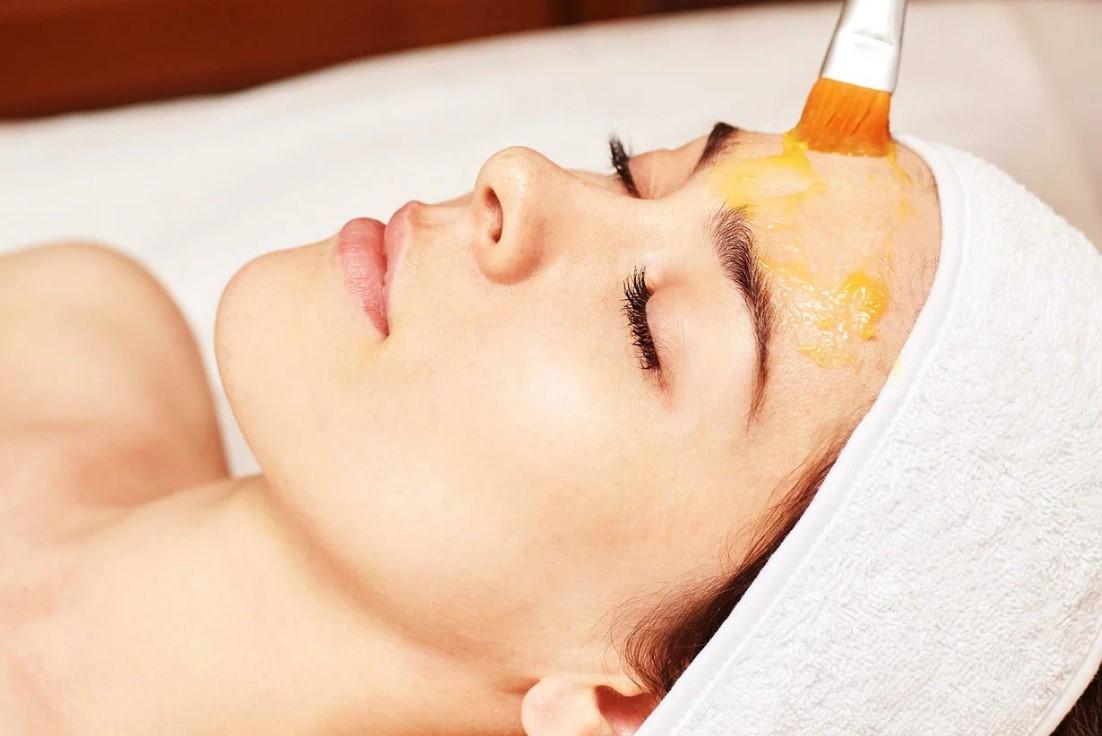
Hyperpigmentation, characterized by dark patches or uneven skin tone, is a common skin concern affecting individuals in Riyadh and around the world. In regions like Riyadh, prolonged sun exposure, high UV intensity, and dry desert climate can exacerbate hyperpigmentation, making it a frequent complaint in dermatology clinics. Among the many treatment options, chemical peels have proven to be an effective and widely used method to manage hyperpigmentation and restore a more even skin tone. Chemical Peels in Riyadh offer an effective way to rejuvenate the skin, reduce pigmentation, and achieve a smoother, more radiant complexion.
Understanding Hyperpigmentation
Hyperpigmentation occurs when melanocytes — the cells responsible for producing melanin — become overactive or unevenly distributed. This can result in:
-
Sunspots or solar lentigines: Caused by UV damage.
-
Melasma: Often hormone-related, appearing as dark patches on the face.
-
Post-inflammatory hyperpigmentation (PIH): Following acne, burns, or skin injuries.
-
Freckles and age spots: Caused by genetics and sun exposure.
The common factor in all forms of hyperpigmentation is excessive melanin accumulation in certain areas, which leads to visible discoloration.
How Chemical Peels Work for Hyperpigmentation
Chemical peels work by applying a controlled chemical solution to the skin, which exfoliates the outer layers. This process removes damaged and pigmented skin cells, revealing fresher, more evenly toned skin beneath. The treatment also stimulates cellular turnover and promotes collagen production, further improving skin texture and brightness.
1. Exfoliation of Pigmented Skin Layers
The most immediate effect of a chemical peel is the removal of dead and pigmented skin cells. Superficial and medium-depth peels dissolve the upper layers of skin where excess melanin has accumulated. This exfoliation reduces the appearance of dark spots and evens out skin tone over multiple sessions.
2. Regulation of Melanin Production
Certain acids used in chemical peels, such as glycolic acid, lactic acid, mandelic acid, and salicylic acid, can help regulate melanocyte activity. By controlling melanin production, chemical peels not only treat existing pigmentation but also help prevent new dark spots from forming.
3. Stimulation of Collagen and Skin Renewal
Hyperpigmented areas often accompany uneven texture and fine lines. Chemical peels encourage the production of collagen and elastin in the dermis. This dermal remodeling improves skin elasticity, minimizes roughness, and creates a smoother canvas for pigmentation reduction, enhancing overall results.
Types of Chemical Peels for Hyperpigmentation
The choice of peel depends on the type of hyperpigmentation, skin type, and sensitivity:
-
Glycolic Acid Peels: Part of the alpha-hydroxy acid (AHA) family, glycolic acid peels are effective for sunspots and mild melasma. They provide gentle exfoliation and brighten the skin gradually.
-
Lactic Acid Peels: Mild and hydrating, ideal for sensitive or dry skin. They improve pigmentation while maintaining skin moisture.
-
Salicylic Acid Peels: Beta-hydroxy acid peels penetrate pores effectively, making them suitable for post-acne hyperpigmentation in oily and acne-prone skin.
-
Mandelic Acid Peels: Particularly gentle for darker skin tones and melasma. They reduce pigmentation without causing excessive irritation or risk of post-inflammatory hyperpigmentation.
-
Trichloroacetic Acid (TCA) Peels: Medium-depth peels suitable for more stubborn pigmentation issues, including severe sun damage and resistant melasma.
A dermatologist in Riyadh will customize the type and concentration of peel according to the patient’s skin type, pigmentation severity, and goals.
Pre-Treatment Considerations
Before undergoing a chemical peel for hyperpigmentation:
-
Sun Protection: Riyadh’s strong sun exposure can worsen pigmentation. Patients are advised to avoid direct sunlight, wear protective clothing, and use a broad-spectrum sunscreen for at least two weeks before treatment.
-
Skincare Adjustments: Certain topical products, such as retinoids, hydroquinone, and exfoliants, may be recommended in pre-peel regimens to prepare the skin and enhance results.
-
Medical Assessment: Conditions such as active acne, eczema, or recent skin trauma must be evaluated to prevent complications.
Post-Treatment Care
Proper post-peel care is crucial for achieving optimal results and preventing complications:
-
Sun Protection: The skin becomes highly sensitive after a peel. Daily application of SPF 30 or higher is essential.
-
Moisturization: Keeping the skin hydrated helps reduce peeling discomfort and accelerates healing.
-
Avoid Picking or Scrubbing: Let the skin naturally shed; picking can cause irritation or post-inflammatory hyperpigmentation.
-
Follow-Up Sessions: Hyperpigmentation typically requires multiple sessions spaced 2–4 weeks apart for significant improvement.
Benefits of Chemical Peels for Hyperpigmentation
-
Reduces the appearance of dark spots and uneven pigmentation.
-
Improves skin texture and tone.
-
Stimulates skin renewal and collagen production.
-
Enhances the effectiveness of other topical treatments by allowing deeper penetration.
-
Provides gradual, natural-looking results with minimal downtime for superficial peels.
Conclusion
Chemical peels offer a scientifically proven approach to managing hyperpigmentation in Riyadh. By exfoliating pigmented skin, regulating melanin production, and promoting skin renewal, peels can dramatically improve skin tone and clarity. With proper pre-treatment preparation, professional customization, and diligent post-care, individuals can achieve brighter, more even, and healthier-looking skin, effectively addressing the challenges posed by sun exposure and environmental stress in Riyadh.

 Arabic
 French
 Spanish
 Portuguese
 Deutsch
 Turkish
 Dutch
Dutch
 Italiano
 Russian
 Romaian
 Portuguese (Brazil)
 Greek
Greek