


Undergoing a hair transplant can feel exciting and a little nerve-wracking at the same time—especially if it’s your first surgical procedure. Knowing exactly what will happen on the day of your hair transplant in Riyadh can help you feel calm, prepared, and confident. From arrival at the clinic to heading home after surgery, here’s a complete walkthrough of what you can expect. Hair transplant in Riyadh is a popular solution for individuals seeking natural-looking hair restoration with long-lasting results.
Arrival at the Clinic
Hair transplant procedures usually start early in the morning. When you arrive at the clinic, you’ll be welcomed by the medical team and guided through final paperwork and consent forms. Your medical history will be reconfirmed, and any last-minute questions or concerns can be discussed.
At this stage, the surgeon often reviews the treatment plan again, confirms the hairline design, and ensures you’re comfortable with the approach. Pre-operative photos are typically taken for medical records and future comparison.
Hairline Design and Final Assessment
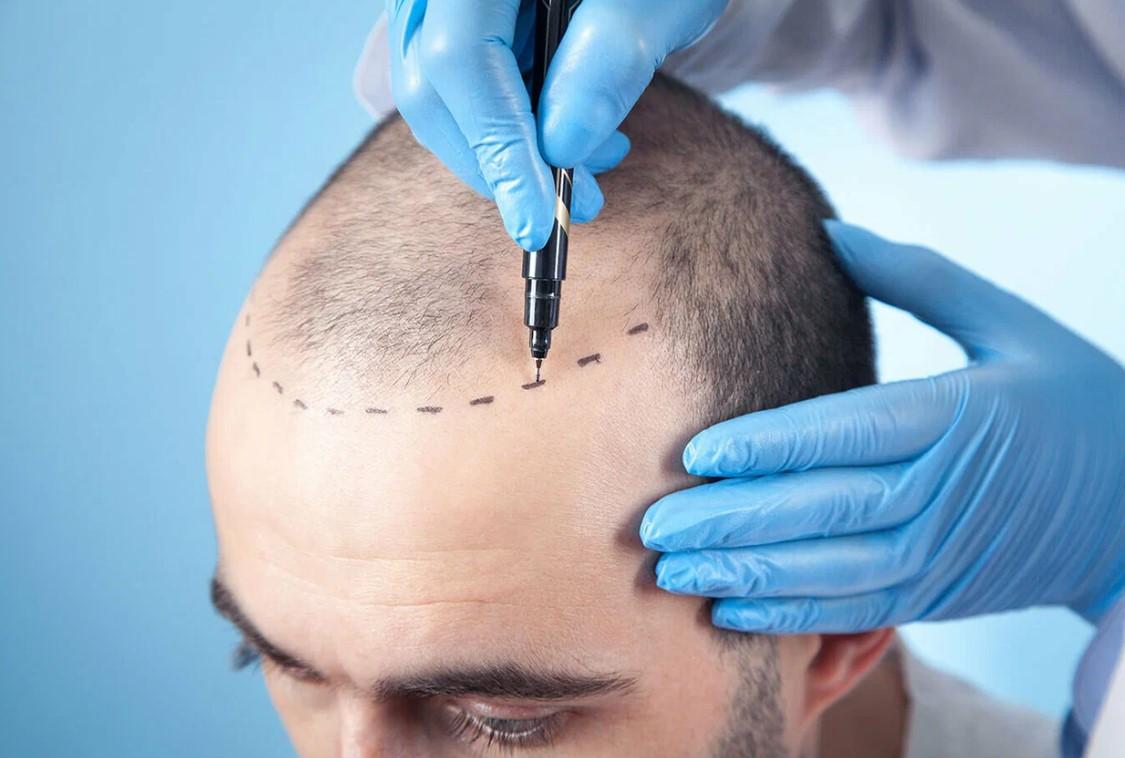
One of the most important moments of the day is hairline design. The surgeon will carefully mark the new hairline on your scalp, considering:
-
Facial structure and proportions
-
Age-appropriate placement
-
Existing hair pattern
-
Long-term hair loss progression
You’ll usually be shown the design in a mirror and asked for approval before moving forward. This collaborative step ensures natural-looking results and realistic expectations.
Preparation and Anesthesia
Once the design is finalized, you’ll be taken to the procedure room. The donor area (usually the back and sides of the scalp) is trimmed or shaved as needed. The scalp is then thoroughly cleaned and sterilized.
Local anesthesia is administered to numb both the donor and recipient areas. You may feel mild pinching or pressure during this process, but discomfort is usually brief. Once the anesthesia takes effect, the procedure itself is generally painless.
Donor Hair Extraction
The next step depends on the chosen technique:
-
FUE (Follicular Unit Extraction): Individual hair follicles are extracted one by one using a tiny punch tool.
-
FUT (Follicular Unit Transplantation): A thin strip of scalp is removed, and the follicles are carefully separated under magnification.
This phase can take several hours, depending on the number of grafts needed. You’ll be lying comfortably, and many clinics allow you to listen to music, watch TV, or rest during this time.
Breaks and Comfort
Hair transplant surgery is a long procedure, often lasting 6 to 8 hours or more. You’ll be given breaks for meals, restroom use, and stretching. Light refreshments or lunch are usually provided.
The medical team regularly checks your comfort level, adjusts your position, and ensures you remain relaxed throughout the day.
Creation of Recipient Sites
After donor grafts are harvested, the surgeon creates tiny incisions in the thinning or bald areas of the scalp. These incisions determine:
-
Direction of hair growth
-
Angle and density
-
Natural appearance of the final result
This step requires precision and artistic skill, as it directly affects how natural the hair will look once it grows.
Graft Implantation
The extracted follicles are then carefully placed into the prepared recipient sites. Each graft is positioned to blend seamlessly with existing hair.
This phase is meticulous and time-intensive, as graft survival and aesthetic outcome depend heavily on proper handling and placement. Once complete, the transplanted area will appear slightly red with tiny scabs—this is completely normal.
Immediate Post-Procedure Care
After the surgery, the medical team cleans your scalp and applies any necessary protective dressings. The surgeon or nurse will explain:
-
How to sleep for the first few nights
-
When and how to wash your hair
-
Which activities to avoid
-
Medications to reduce swelling or discomfort
You’ll also receive written aftercare instructions and emergency contact details if needed.
Heading Home the Same Day
Hair transplant surgery is an outpatient procedure, so you’ll go home the same day. You may feel mild tightness, numbness, or swelling, especially around the forehead or donor area. These effects usually peak within a couple of days and then gradually improve.
Most patients are advised to have someone drive them home and to rest for the remainder of the day.
Emotional and Physical Expectations
It’s normal to feel a mix of emotions after surgery—relief, excitement, or even mild anxiety when you first see the transplanted area. Remember that early redness, scabbing, and swelling are temporary. The real results take time, with visible hair growth starting after several months.
Conclusion
Hair transplant surgery day in Riyadh is carefully structured, patient-focused, and designed to be as comfortable as possible. From personalized hairline design to detailed aftercare guidance, every step is planned to support natural, long-lasting results.
Understanding what happens on surgery day helps remove uncertainty and allows you to approach the experience with confidence. With proper preparation and realistic expectations, the day marks the first step toward visible hair restoration and renewed self-confidence.

 Arabic
 French
 Spanish
 Portuguese
 Deutsch
 Turkish
 Dutch
Dutch
 Italiano
 Russian
 Romaian
 Portuguese (Brazil)
 Greek
Greek