


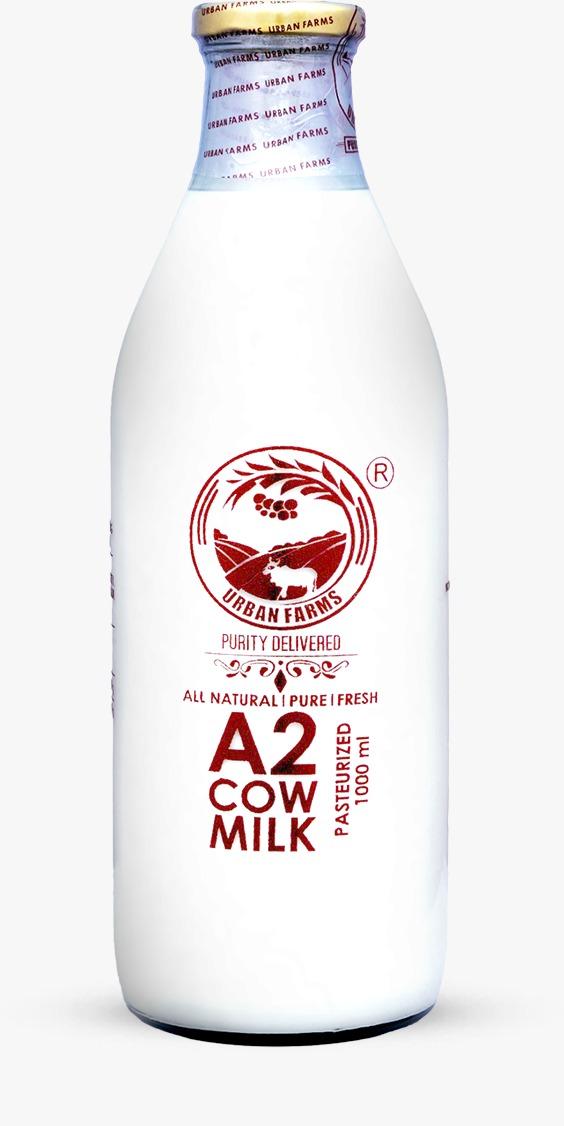
Managing diabetes requires careful attention to diet, especially when it comes to fats and traditional foods like ghee. Many people often ask: Can diabetics consume desi gir cow ghee safely? With growing interest in A2 dairy products and traditional nutrition, it’s important to understand the facts before adding it to your daily routine.
In this blog, we’ll explore expert insights, nutritional aspects, and whether gir cow ghee, desi cow ghee, and A2 ghee can be part of a diabetic-friendly diet.
Understanding Diabetes and Dietary Fats
Diabetes is a condition where the body struggles to regulate blood sugar levels effectively. Whether it is Type 1, Type 2, or gestational diabetes, managing carbohydrate intake and maintaining a balanced diet is essential.
However, fats also play a significant role. Contrary to old beliefs, not all fats are harmful. Healthy fats, when consumed in moderation, can:
-
Improve satiety (keep you full longer)
-
Support metabolic health
-
Help regulate insulin sensitivity
This is where traditional fats like gir cow ghee come into discussion.
What Makes Desi Gir Cow Ghee Different?
Desi Gir cow ghee is made from the milk of indigenous Gir cows, known for producing A2 milk. The ghee is often prepared using the traditional bilona method, which involves curd churning and slow heating.
Here’s why it stands out:
-
Made from A2 milk
-
Rich in fat-soluble vitamins (A, D, E, and K)
-
Contains butyric acid, known for supporting gut health
-
Free from lactose and casein residues in most cases
Because of these qualities, A2 Ghee is often considered easier to digest compared to regular ghee.
Glycemic Impact: Does Ghee Raise Blood Sugar?
One of the biggest concerns for diabetics is whether a food spikes blood sugar levels.
The good news:
Ghee contains zero carbohydrates. This means it does not directly raise blood sugar levels.
Since desi cow ghee is purely fat, it has no glycemic index. In fact, when consumed with carbohydrate-rich meals, it may help slow down the absorption of glucose into the bloodstream.
However, this does not mean unlimited consumption is safe.
Potential Benefits of Gir Cow Ghee for Diabetics
1. Supports Insulin Sensitivity
Some experts suggest that healthy saturated fats in moderate amounts may support insulin function. Butyric acid in gir cow ghee is known to reduce inflammation, which is often linked to insulin resistance.
2. Promotes Gut Health
Gut health plays an important role in metabolic balance. The short-chain fatty acids in a2 gee may help maintain a healthy digestive system, indirectly supporting blood sugar control.
3. Helps in Weight Management
Maintaining a healthy weight is crucial for managing Type 2 diabetes. Small amounts of desi cow ghee can increase satiety, reducing overeating and unnecessary snacking.
4. Provides Energy Without Sugar Spikes
Since it is fat-based, ghee provides sustained energy without causing sudden spikes in glucose levels.
What Do Experts Say?
Most nutritionists agree on one key point:
Moderation is essential.
While gir cow ghee does not directly increase blood sugar, it is calorie-dense. One tablespoon contains around 120 calories. Overconsumption can lead to weight gain, which may worsen insulin resistance.
Experts recommend:
-
Limiting intake to 1–2 teaspoons per day
-
Avoiding deep frying in excessive ghee
-
Using it as a replacement for refined oils, not an addition
For diabetics with high cholesterol or heart disease risk, medical advice is especially important before regular consumption.
Is A2 Ghee Better for Diabetics Than Regular Ghee?
There is ongoing debate about A1 vs A2 dairy. A2 milk, used to make A2 Ghee, is believed to be easier to digest and less inflammatory for some individuals.
While strong clinical evidence is still limited, many people report better digestion with A2 products. Since inflammation can impact insulin sensitivity, choosing Gir cow ghee made from A2 milk may offer additional metabolic benefits.
However, it should not be considered a “treatment” for diabetes.
Who Should Be Cautious?
Even though desi cow gee can be included in moderation, certain individuals should be careful:
-
Diabetics with obesity
-
Patients with high LDL cholesterol
-
Individuals with fatty liver disease
-
Those with cardiovascular risk factors
Always consult a doctor or registered dietitian before making major dietary changes.
How to Include Gir Cow Ghee in a Diabetic Diet
If your healthcare provider approves, here are practical ways to consume it safely:
-
Add 1 teaspoon of gir cow ghee to dal or vegetables
-
Use it for light sautéing instead of refined oils
-
Add a small amount to millet or whole-grain rotis
-
Avoid pairing it with sugary foods
Remember, balance is key. Combine it with:
-
High-fiber foods
-
Lean protein
-
Complex carbohydrates
-
Regular physical activity
Common Myths About Ghee and Diabetes
Myth 1: Ghee Is Completely Unsafe for Diabetics
Not true. When consumed in controlled portions, a2 gee does not spike blood sugar.
Myth 2: More Ghee Means Better Health
Excessive intake can lead to weight gain and worsen metabolic health.
Myth 3: All Ghee Is the Same
Quality matters. Traditional desi cow ghee made using bilona methods may retain more beneficial compounds compared to mass-produced alternatives.
Final Verdict: Can Diabetics Consume Desi Gir Cow Ghee?
Yes, diabetics can consume gir cow ghee, but in moderation and under medical guidance.
It does not directly raise blood sugar levels and may even support digestion and satiety. However, because it is high in calories and saturated fat, portion control is crucial.
If you are managing diabetes, focus on a balanced diet, regular exercise, and consistent monitoring of blood sugar levels. Think of desi cow gee or A2 gee as a small, supportive addition to your diet—not a cure or superfood.

 Arabic
 French
 Spanish
 Portuguese
 Deutsch
 Turkish
 Dutch
Dutch
 Italiano
 Russian
 Romaian
 Portuguese (Brazil)
 Greek
Greek