


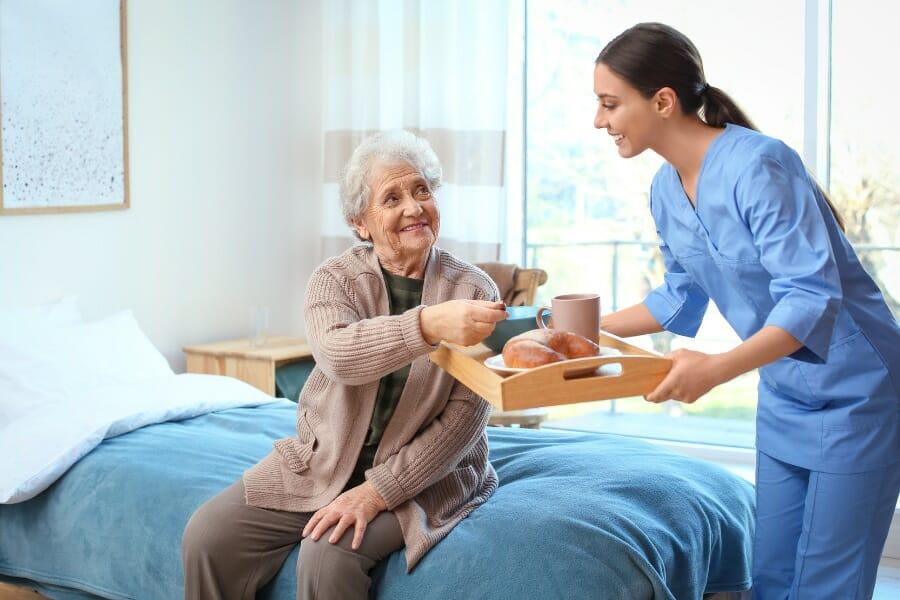
Falls are a leading cause of injury among older adults, and preventing them is a top priority for families and caregivers alike. Professional Elderly Care Services play a critical role in reducing the risk of falls through proactive measures, personalized support, and environmental modifications. Seniors who receive structured care benefit from enhanced safety, improved confidence in mobility, and peace of mind for their families. By addressing fall risks with tailored strategies, elderly care services help maintain independence while minimizing the physical and emotional consequences of accidents.
Understanding the Risks of Falls for Seniors:
Falls can lead to serious injuries, hospitalization, and long-term mobility issues. Understanding the factors that contribute to falls allows elderly care providers to implement effective prevention strategies. Common risks include:
-
Age-related changes in balance, strength, and vision
-
Chronic health conditions such as arthritis, diabetes, or heart disease
-
Medication side effects that cause dizziness or drowsiness
-
Environmental hazards like loose rugs, poor lighting, and clutter
Identifying these risks early allows caregivers to develop targeted interventions that reduce the likelihood of falls.
Environmental Safety Measures:
Creating a safe living environment is fundamental in fall prevention. Elderly care services implement modifications and monitoring systems to enhance home safety:
-
Installing grab bars in bathrooms and along stairways
-
Ensuring adequate lighting in all areas, including hallways and entrances
-
Removing tripping hazards such as loose rugs and clutter
-
Using non-slip mats, railings, and supportive furniture
A well-designed environment significantly lowers the risk of accidents while promoting independence.
Mobility Assistance and Support:
Maintaining safe mobility is critical for seniors at risk of falls. Elderly care services provide support through:
-
Assisting with walking, transfers, and use of mobility aids
-
Encouraging safe movement routines and exercises to improve balance
-
Monitoring gait and posture for early signs of instability
-
Offering guidance on proper footwear and supportive devices
Hands-on support and professional guidance ensure seniors move confidently and safely in their daily activities.
Exercise and Strengthening Programs:
Physical activity is one of the most effective ways to reduce fall risk. Tailored elderly care programs often include:
-
Balance and coordination exercises to improve stability
-
Strength training to support muscles and joints
-
Flexibility routines to enhance range of motion
-
Low-impact aerobic exercises to boost overall fitness
Regular exercise strengthens the body, improves mobility, and lowers the likelihood of falls while also benefiting mental and cardiovascular health.
Medication Management and Health Monitoring:
Certain medications and health conditions can increase fall risk. Elderly care services address these concerns by:
-
Reviewing medications for side effects like dizziness or hypotension
-
Coordinating with healthcare providers for dosage adjustments
-
Monitoring vital signs, blood sugar levels, and heart function
-
Keeping detailed records to track health changes that could impact balance
Proactive health monitoring reduces risks and ensures early intervention if a problem arises.
Fall Prevention Education and Training:
Education empowers seniors and families to take an active role in fall prevention. Elderly care services offer guidance such as:
-
Teaching proper techniques for getting in and out of bed or chairs
-
Educating on safe use of mobility aids and assistive devices
-
Providing resources on home modifications and safety products
-
Offering training for family members on supporting mobility and balance
Knowledgeable seniors and families are better equipped to prevent accidents and respond appropriately if falls occur.
Use of Technology and Monitoring Systems:
Modern elderly care integrates technology to enhance safety and reduce fall risk. Examples include:
-
Motion sensors and fall detection alarms for immediate response
-
Wearable devices to monitor activity levels and detect instability
-
Smart home systems that control lighting, temperature, and access
-
Telehealth consultations for regular health assessments
Technology complements caregiver supervision and ensures rapid intervention when necessary.
Encouraging Social Engagement and Mental Alertness:
Falls are not only physical but can be linked to cognitive or emotional factors such as distraction or fear. Elderly care services support mental alertness by:
-
Encouraging participation in social and recreational activities
-
Stimulating cognitive function through games, puzzles, and discussions
-
Reducing anxiety and fear of falling through supportive guidance
-
Promoting routines that combine mental and physical engagement
Maintaining alertness and confidence improves overall safety and well-being.
Emergency Response and Post-Fall Care:
Even with prevention, falls can occur, making quick response essential. Elderly care services ensure preparedness by:
-
Training caregivers in first aid, CPR, and emergency procedures
-
Maintaining emergency contacts and communication systems
-
Implementing post-fall assessments to prevent recurrence
-
Coordinating with healthcare providers for recovery and rehabilitation
A prompt and structured response minimizes injury severity and aids in faster recovery.
Continuous Assessment and Personalized Strategies:
Fall prevention requires ongoing evaluation and adaptation. Elderly care services provide:
-
Regular assessments of balance, mobility, and home safety
-
Updates to care plans as health conditions or abilities change
-
Personalized strategies tailored to the senior’s lifestyle and environment
-
Collaboration with families and medical professionals for holistic support
Continuous attention ensures long-term safety while promoting independence and confidence.
Final Thoughts:
Fall prevention is a critical component of professional elderly care, and tailored strategies can make a significant difference in seniors’ safety and quality of life. By combining environmental modifications, mobility support, exercise programs, medication monitoring, education, technology, and emergency preparedness, elderly care services reduce the risk of falls while fostering independence and confidence. Proactive, personalized approaches not only protect seniors physically but also support mental and emotional well-being. Families who choose professional elderly care services can be reassured that their loved ones are safe, supported, and empowered to live comfortably and securely in their daily lives.

 Arabic
 French
 Spanish
 Portuguese
 Deutsch
 Turkish
 Dutch
Dutch
 Italiano
 Russian
 Romaian
 Portuguese (Brazil)
 Greek
Greek