


Missing teeth can affect far more than just your appearance. When multiple or all teeth are lost, everyday activities such as eating, speaking, and smiling can become challenging. Over time, tooth loss can also lead to jawbone deterioration, changes in facial structure, and a decline in overall oral health. While traditional dentures have long been used to replace missing teeth, they often fall short in terms of comfort, stability, and longevity. Today, full mouth dental implants are widely regarded as the most permanent and effective solution for restoring a complete smile.
This article explores how full mouth dental implants in dubai work, why they are considered a permanent solution, and how they can transform both oral health and quality of life.
Understanding Full Mouth Dental Implants
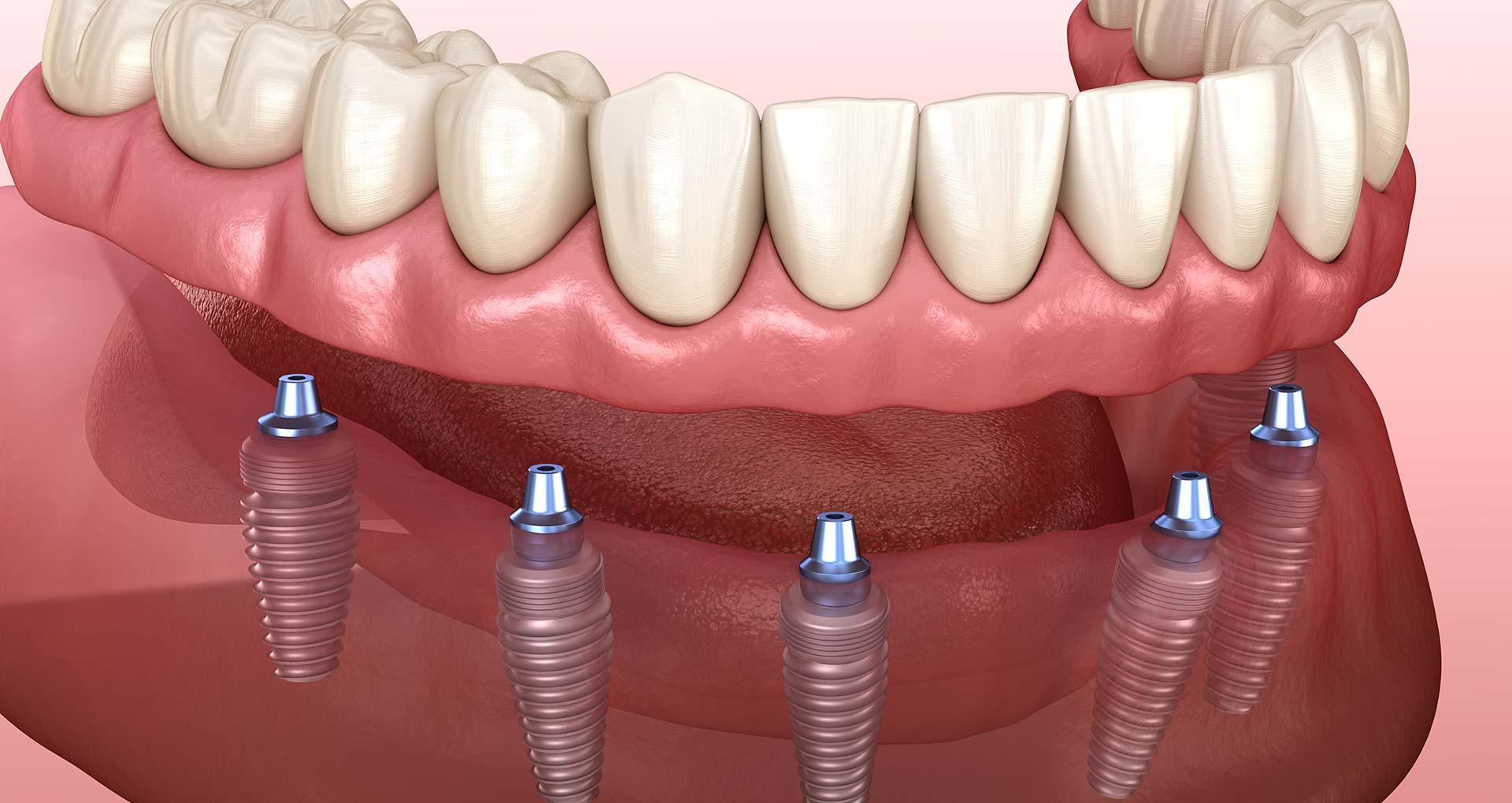
Full mouth dental implants are a comprehensive tooth replacement treatment designed for individuals who are missing all or most of their teeth in the upper jaw, lower jaw, or both. Instead of relying on removable dentures, implant-supported teeth are fixed securely to the jawbone using dental implants that act as artificial tooth roots.
Several implants are strategically placed in the jaw to support a full arch of prosthetic teeth. This approach provides exceptional stability and allows the final restoration to closely mimic the look and function of natural teeth.
Why Tooth Loss Requires a Long-Term Solution
When teeth are lost, the effects go beyond the visible gaps in your smile. Natural tooth roots stimulate the jawbone during chewing. Without this stimulation, the bone begins to shrink in a process known as bone resorption. Over time, this can weaken the jaw, alter facial appearance, and make wearing dentures increasingly difficult.
Traditional dentures sit on top of the gums and do not address bone loss. Full mouth dental implants, however, replace both the missing teeth and their roots, making them a truly long-term solution.
How Full Mouth Implants Work
The success of full mouth dental implants depends on a biological process called osseointegration. After the implants are placed into the jawbone, the bone gradually fuses with the implant surface. This creates a strong and stable foundation capable of supporting chewing forces similar to natural teeth.
Once osseointegration is complete, a custom-made prosthetic arch is attached to the implants. This restoration is carefully designed to match the patient’s facial features, bite alignment, and smile aesthetics, ensuring a natural and comfortable result.
The Permanent Benefits of Full Mouth Dental Implants
One of the main reasons full mouth implants are considered permanent is their durability. With proper care, the implant posts themselves can last a lifetime. Unlike dentures, they do not need frequent replacement or adjustment due to bone loss.
Stability is another key benefit. Implant-supported teeth are fixed in place, eliminating the movement, slipping, and discomfort commonly associated with dentures. This allows patients to eat, speak, and laugh with confidence.
Full mouth implants also help preserve jawbone density. By stimulating the bone during chewing, implants prevent the bone loss that typically follows tooth loss. This preservation supports long-term oral health and helps maintain a youthful facial appearance.
Improved Function and Quality of Life
Full mouth dental implants restore nearly full chewing ability, enabling patients to enjoy a wide variety of foods without discomfort. This improved function supports better nutrition and digestion.
Speech clarity is also enhanced, as implants remain stable and do not interfere with tongue movement. Many patients report feeling more confident in social and professional situations after restoring their smile with implants.
Because implant-supported teeth feel like a natural part of the body, they often provide a sense of comfort and security that removable dentures cannot match.
The Full Mouth Implant Treatment Process
The journey to full mouth dental implants begins with a comprehensive consultation. This includes digital imaging, X-rays, and a detailed review of oral and medical history. These assessments help determine bone quality, implant placement, and any need for additional procedures.
If remaining teeth are damaged or unsalvageable, they are removed prior to or during implant placement. The implants are then surgically inserted into the jawbone under local anesthesia or sedation for comfort.
After placement, a healing period is required for osseointegration. This phase typically lasts three to six months. Temporary teeth may be provided during this time to maintain appearance and basic function.
Once healing is complete, the final prosthetic teeth are securely attached, completing the permanent restoration.
Recovery and Aftercare
Recovery after full mouth implant surgery varies depending on individual health and treatment complexity. Mild swelling, bruising, and discomfort are common in the first few days and can usually be managed with medication and proper care.
Most patients return to normal daily activities within a short time, although strenuous activity should be avoided initially. Following post-operative instructions and maintaining excellent oral hygiene are essential for successful healing.
Regular follow-up appointments allow the dental team to monitor healing and ensure long-term implant stability.
Full Mouth Implants vs. Dentures
While dentures may appear to be a simpler solution, they often come with ongoing challenges. Dentures can shift, require adhesives, and cause sore spots on the gums. As jawbone loss continues, dentures may need frequent relining or replacement.
Full mouth dental implants offer a more permanent alternative. Although the initial cost is higher, implants provide long-term stability, improved comfort, and reduced maintenance over time.
Who Is a Good Candidate for Full Mouth Implants?
Many individuals with complete or near-complete tooth loss are candidates for full mouth dental implants. Ideal candidates are generally in good overall health and able to undergo minor oral surgery.
Adequate jawbone density is important, but patients with bone loss may still qualify through bone grafting or advanced implant techniques. A thorough evaluation by an experienced implant dentist is essential to determine suitability.
Long-Term Maintenance
Caring for full mouth dental implants is similar to caring for natural teeth. Daily brushing, cleaning around the implants, and maintaining healthy gums are essential.
Regular dental checkups and professional cleanings help prevent complications and ensure the implants remain stable. With proper care, full mouth implants can provide reliable function and aesthetics for decades.
Final Thoughts
Full mouth dental implants are widely recognized as the permanent solution for missing teeth. By restoring function, preserving jawbone health, and enhancing facial appearance, they offer benefits that extend far beyond aesthetics.
For individuals seeking a stable, long-lasting alternative to dentures, full mouth dental implants provide a proven path to restoring confidence, comfort, and a healthy smile. With expert care and ongoing maintenance, they can truly transform both oral health and quality of life.

 Arabic
 French
 Spanish
 Portuguese
 Deutsch
 Turkish
 Dutch
Dutch
 Italiano
 Russian
 Romaian
 Portuguese (Brazil)
 Greek
Greek