


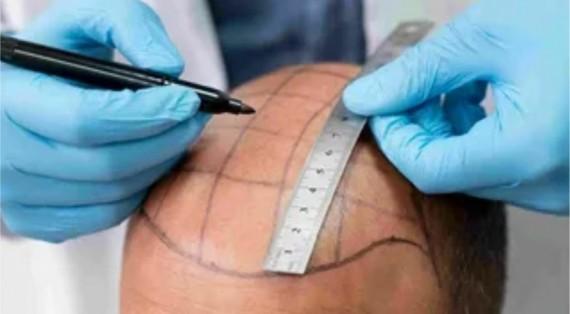
A hair transplant is a significant journey toward reclaiming your appearance, but the surgery itself is only the first half of the battle. In a city like Riyadh—where the climate is defined by arid heat and frequent dust storms—the environment can pose unique challenges to a healing scalp. For anyone who has undergone a Hair Transplant in Riyadh, the first 14 days are the "golden window" for graft survival. During this time, the tiny incisions are essentially open doors for environmental pollutants.
Maintaining clinical levels of hygiene while navigating the Saudi capital's unique atmosphere requires a blend of professional medical protocol and localized environmental strategy. Here is your comprehensive guide to keeping your new investment pristine.
1. The Desert Environment vs. Your New Grafts
Riyadh’s geography brings with it fine, silica-rich dust that can settle into the microscopic crusts forming around your transplanted follicles. If left unmanaged, these particles can lead to folliculitis (inflammation of the hair follicles) or, in worse cases, localized infections that jeopardize graft survival.
Why Dust is a Danger:
-
Clogging: Dust and sand can clog the pores, preventing the scalp from "breathing" and slowing the healing process.
-
Abrasive Friction: Micro-particles of sand can act like sandpaper if you rub your head, potentially dislodging fragile grafts before they anchor.
-
Bacterial Transport: Dust often carries bacteria; when trapped against a warm, healing scalp, it creates a breeding ground for infection.
2. The First 48 Hours: The "Bubble" Phase
In the immediate aftermath of your procedure, your scalp is at its most vulnerable. Riyadh residents are advised to spend the first two days in a controlled, air-conditioned environment.
-
Indoor Isolation: Stay indoors as much as possible. Riyadh’s modern air conditioning systems use high-grade filters that catch the majority of outdoor pollutants.
-
Saline Defense: Your surgeon will likely provide a sterile saline spray. Use this every 30–60 minutes. This doesn't just hydrate the grafts; it creates a "rinse" that prevents dust from settling and hardening into the scabs.
-
Pillow Protocol: Change your pillowcase every single night for the first week. Use a fresh, silk or high-thread-count cotton case to minimize friction and ensure a bacteria-free resting surface.
3. Cleansing Techniques for the Saudi Climate
By day three, you will begin your first washes. In Riyadh, the water is often "hard" (high in minerals), which can be drying to a sensitive scalp.
The Gentle Rinse Method:
-
The Foam Application: Do not apply shampoo directly to the scalp. Create a thick foam in your hands or a small cup using the clinic-provided medicinal shampoo.
-
The "Patting" Motion: Gently pat the foam onto the recipient area. Never rub or use your fingernails.
-
The Low-Pressure Rinse: Use a cup to pour lukewarm water over your head. Avoid the direct pressure of a high-power showerhead, which can be strong enough to "pop" a graft out of its site.
-
Air Dry Only: Do not use a towel or a hairdryer. Let the Riyadh air do the work, or very gently pat the forehead (not the grafts) with a sterile gauze to catch drips.
4. Protective Headwear: What is Safe?
Eventually, you will need to leave your house. Whether it's for a follow-up appointment or a brief errand, you need a barrier against the sun and wind.
-
Avoid the "Snapback": Standard baseball caps are often too tight and can compress the grafts.
-
The Loose Bucket Hat: A wide-brimmed, loose-fitting bucket hat made of breathable cotton is the gold standard. It provides shade from the intense Riyadh sun while allowing air circulation to keep the scalp cool and sweat-free.
-
The "Ghutra" Caution: If you wear traditional Saudi headwear, wait at least 7–10 days before doing so. The friction of the Igal and the weight of the fabric can easily dislodge fresh grafts.
5. Managing Sweat and Humidity
While Riyadh is dry, the heat can still trigger localized sweating, especially under headwear. Sweat contains salts and oils that can irritate healing incisions.
-
Cooling Sprays: Carry your saline spray in a small cooler bag when traveling. A quick mist can cool the skin and dilute any sweat that has begun to form.
-
Antimicrobial Wipes: Keep antimicrobial wipes for your hands, not your scalp. Never touch your head without sanitizing your hands first, especially after touching door handles or elevator buttons in public spaces.
6. Red Flags: When to Call the Clinic
Despite your best efforts, the environment can sometimes win. Monitor your scalp daily for these signs of environmental irritation:
-
Yellow Crusts: While brownish scabs are normal, yellow or green discharge indicates a bacterial infection.
-
Increasing Redness: If the redness spreads or feels hot to the touch after the first week, it may be a sign of inflammation.
-
Pimples (Folliculitis): Small white-headed bumps around the grafts. Do not "pop" these; your clinic can provide a topical antibiotic cream to clear them safely.
Hygiene Checklist for the First 10 Days
| Task | Frequency | Why? |
| Saline Spray | Every hour (Day 1–3) | Hydration & Dust removal |
| Pillowcase Change | Daily | Prevent bacterial buildup |
| Gentle Wash | Once Daily (Day 3+) | Remove debris and softening scabs |
| Hand Sanitizing | Every time you touch your face | Prevents cross-contamination |
| Air Filter Check | Once (Pre-op) | Ensures clean indoor recovery air |
Conclusion: A Clean Start for Your New Hair
Navigating the Riyadh environment after a hair restoration procedure requires a bit of extra vigilance, but the effort pays off in the form of a successful, dense result. By viewing your scalp as a healing wound that needs protection from the elements, you ensure that every graft has the best possible chance to take root and flourish.
Your journey to a full head of hair is a marathon, not a sprint. By prioritizing hygiene in these early stages, you are setting the foundation for a lifetime of confidence. Choosing a Hair Transplant in Riyadh means you have access to local experts who understand the Saudi climate—don't hesitate to use that expertise to keep your recovery on track and your new hair thriving.

 Arabic
 French
 Spanish
 Portuguese
 Deutsch
 Turkish
 Dutch
Dutch
 Italiano
 Russian
 Romaian
 Portuguese (Brazil)
 Greek
Greek