


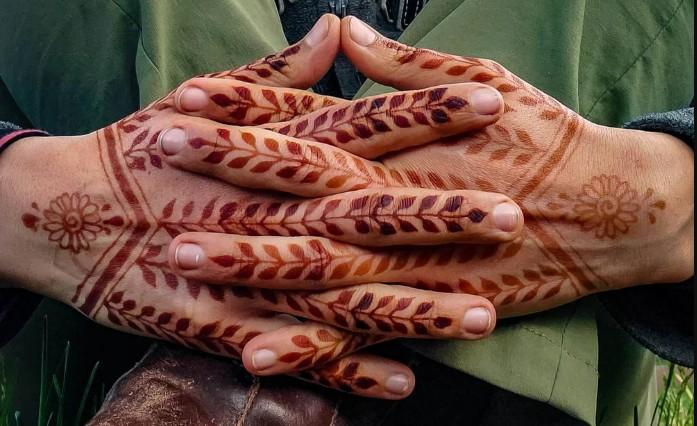
Music festivals are high-energy environments where creativity and community flourish, and henna body art has become a staple of the festival aesthetic. However, the communal nature of these events—where hundreds of people may rotate through a single artist's chair in a dusty, outdoor setting—presents unique challenges for hygiene and skin safety. Unlike a controlled salon environment, a festival booth must contend with limited access to running water, shifting temperatures, and the rapid spread of germs. For a professional artist, maintaining a "squeaky clean" reputation is as important as the intricate linework of the designs themselves. Implementing rigorous sanitation protocols ensures that the only thing your clients take home is a beautiful, dark stain and a positive memory.
Pre-Application Skin Preparation and Assessment
The first line of defense in any sanitation protocol begins with the client's skin. Before a single drop of henna is applied, the artist must perform a quick but thorough visual assessment. In a festival setting, it is common to encounter skin that is sweaty, covered in sunscreen, or slightly sunburnt. Applying henna over these barriers results in a poor stain and potential irritation. Standard protocol involves cleaning the intended area with an alcohol-based wipe or a gentle antiseptic solution. This removes surface oils, dirt, and bacteria, creating a sterile canvas for the paste. Furthermore, artists must be trained to recognize "non-intact" skin; henna should never be applied over open cuts, rashes, or fresh sunburns.
Maintaining a Sterile Workspace in the Field
In the middle of a crowded music festival, your workstation can quickly become a magnet for dust and cross-contamination. Professional protocols require that all "high-touch" surfaces—such as the table where the client rests their arm and the artist’s chair—be wiped down with hospital-grade disinfectant between every single appointment. Using disposable table covers or fresh paper barriers for each client is a highly recommended practice to prevent the transfer of skin cells or perspiration. Additionally, the artist must prioritize hand hygiene. While a mobile sink is ideal, high-quality hand sanitizer or germ-killing wipes are the standard for field work. It is essential to sanitize your hands not only after touching a client but also after handling cash or mobile payment devices. These "behind-the-scenes" logistics are often covered in detail during a henna course online, preparing artists for the fast-paced reality of event-based body art.
Tool Hygiene and Applicator Safety
The tools used to apply henna—typically hand-rolled cones or plastic bottles with metal tips—must be handled with extreme care to avoid cross-contamination. While the tip of a henna cone rarely makes direct contact with the skin (as the paste is usually "draped" from a slight height), accidental contact is inevitable. Standard sanitation requires that stainless steel applicator tips be soaked in an alcohol solution or wiped with a sterile swab between clients. If you are using hand-rolled cellophane cones, many professionals prefer to use a fresh cone for every few clients or to carefully snip and clean the tip regularly. Furthermore, the henna paste itself must be stored correctly. Because natural henna is a perishable product, it should be kept in a cooler or an insulated bag to prevent bacterial growth in the summer heat. Learning the chemistry of paste and the mechanics of applicator maintenance is a significant part of any professional henna course.
The Critical Importance of Natural Ingredients
Perhaps the most important sanitation protocol isn't about the tools, but the substance inside them. In communal settings, some unscrupulous vendors use "Black Henna," which contains a toxic chemical called PPD (para-phenylenediamine) used to create an instant, jet-black stain. This substance is a powerful allergen and can cause permanent scarring or life-threatening reactions. Standard professional protocol dictates the use of 100% natural henna, mixed only with lemon juice, sugar, and skin-safe essential oils like lavender or cajeput. A professional artist should always have an ingredient list visible to the public to build trust and ensure transparency. Distinguishing between safe, natural products and dangerous chemical substitutes is a primary lesson in a Henna Course Online. By educating yourself on the botanical properties of the Lawsonia inermis plant, you ensure that your communal art remains a safe and inclusive experience for everyone at the festival.
Post-Application Care and Client Education
Sanitation doesn't end when the design is finished. To prevent the "smudging" that can lead to mess and skin-to-skin transfer of wet paste in a crowd, artists should offer a sealant, such as a lemon-sugar spray or medical-grade tape, once the henna is dry to the touch. This keeps the paste stuck to the skin and prevents it from flaking off onto other people or festival gear. Additionally, providing every client with a clear aftercare card—or a digital version they can photograph—is essential. This card should explain how to remove the paste safely without water and emphasize the importance of avoiding harsh chemicals during the initial darkening phase.

 Arabic
 French
 Spanish
 Portuguese
 Deutsch
 Turkish
 Dutch
Dutch
 Italiano
 Russian
 Romaian
 Portuguese (Brazil)
 Greek
Greek