


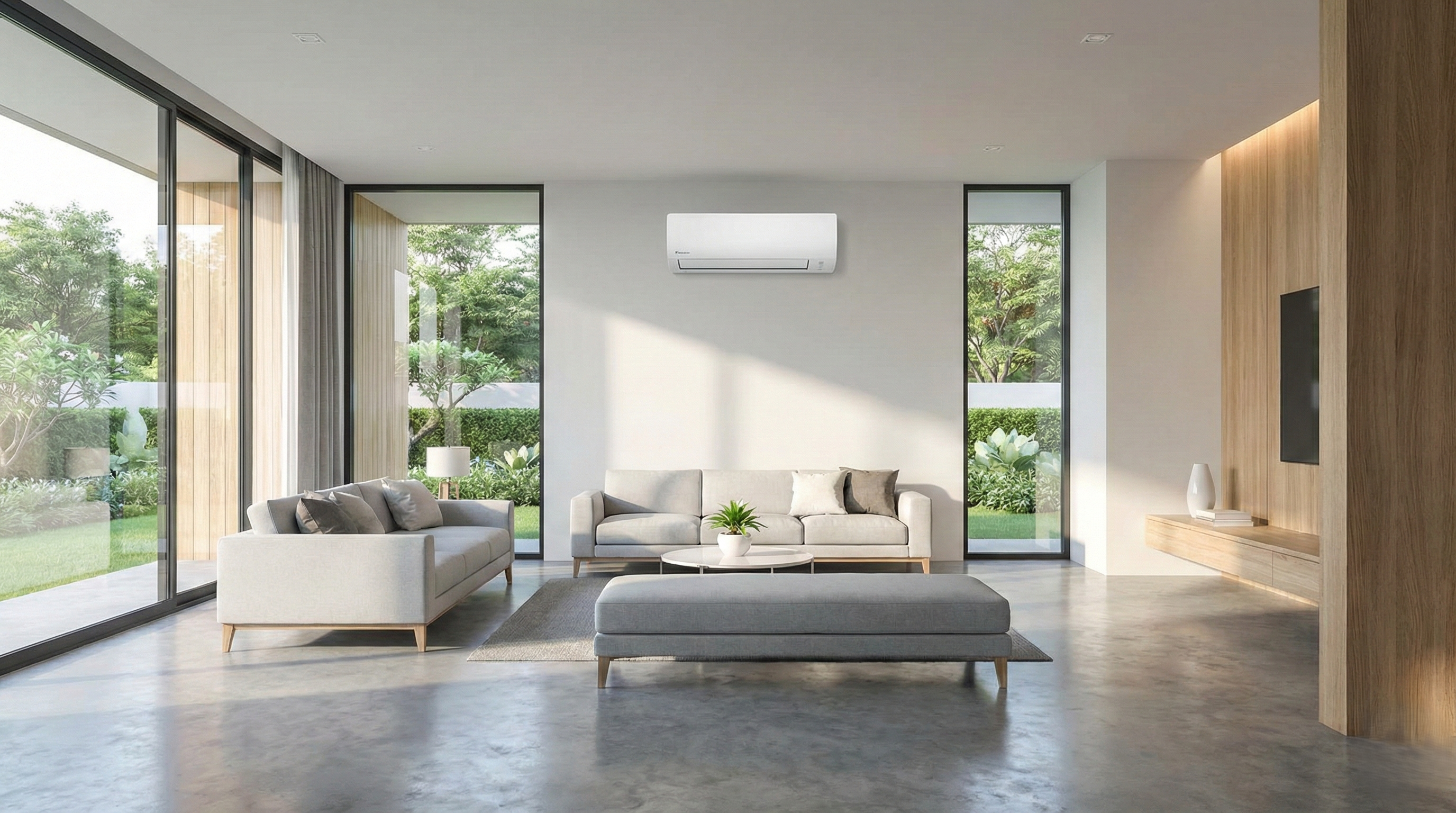
Modern homeowners are always searching for heating and cooling solutions that are efficient, flexible, and cost-effective. As technology improves, traditional HVAC systems are no longer the only option for maintaining indoor comfort. Many households are now considering ductless systems because they offer targeted temperature control and energy savings.
A Daikin mini split has quickly become one of the most popular choices for homes that want reliable performance without the need for bulky ductwork. Known for advanced engineering and long-term durability, this system is designed to deliver comfort while keeping energy use under control.
This detailed guide explains how these systems work, their benefits, possible drawbacks, installation expectations, and whether they truly fit the needs of modern living spaces.
What a Daikin Mini Split Is
A mini split system is a type of ductless heating and cooling unit that allows homeowners to control temperatures in individual rooms or zones. Unlike central HVAC systems, it does not rely on a network of air ducts to distribute conditioned air.
Main Components of the System
A typical setup includes:
-
An outdoor compressor unit
-
One or more indoor air handlers
-
Refrigerant lines connecting the units
-
A remote or smart thermostat for control
Because there are fewer structural requirements, installation is often faster and less disruptive than traditional systems.
How It Operates
The system transfers heat rather than generating it. During summer, it removes heat from inside the home and releases it outdoors. In colder months, the process reverses to bring warmth inside.
This heat transfer method is one reason mini splits are known for strong energy performance.
Why Modern Homes Are Moving Toward Ductless Solutions
Home design has evolved significantly over the past decade. Open floor plans, home offices, finished garages, and room additions often challenge traditional HVAC layouts.
Greater Flexibility for Changing Spaces
Mini splits allow homeowners to cool or heat specific areas without modifying existing ductwork. This makes them especially useful for:
-
Older homes without ducts
-
New additions
-
Converted basements
-
Sunrooms
-
Garages
Improved Comfort Control
Instead of setting one temperature for the entire house, occupants can adjust each zone individually. This prevents common problems like one room feeling too hot while another remains cold.
Cleaner Indoor Air
Ductwork can collect dust, allergens, and debris over time. Since ductless systems avoid this pathway, they can help support healthier indoor air when filters are maintained properly.
Key Features That Make Daikin Stand Out
Not all mini splits are created equal. Some brands focus on affordability, while others prioritize innovation. Daikin is widely recognized for blending both performance and efficiency.
Advanced Inverter Technology
Traditional systems often cycle on and off repeatedly, which wastes energy. Inverter technology adjusts compressor speed based on real-time needs, allowing the system to run steadily instead of restarting constantly.
This leads to:
-
Lower energy consumption
-
More stable indoor temperatures
-
Reduced wear on components
Quiet Operation
Indoor units typically operate at sound levels similar to a whisper. This makes them ideal for bedrooms, nurseries, and work-from-home environments where noise can be distracting.
Smart Control Options
Many systems offer Wi-Fi compatibility, allowing homeowners to manage temperatures from a smartphone. This adds convenience while helping reduce unnecessary energy use.
Energy Efficiency and Monthly Savings
Energy costs continue to rise, making efficiency a top priority for homeowners.
Why Mini Splits Use Less Energy
Duct losses in traditional systems can account for a significant portion of wasted energy. Since ductless units deliver air directly into each space, that loss is minimized.
Additionally, zoning prevents the system from conditioning unused rooms.
Potential Utility Bill Reduction
While savings vary depending on climate and home size, many households notice reduced monthly bills after switching from older HVAC equipment.
Factors that influence savings include:
-
Local energy rates
-
Insulation quality
-
Thermostat habits
-
System size and placement
Over time, the efficiency gains can help offset the initial installation cost.
Installation: What Homeowners Should Expect
Understanding the installation process can ease concerns before making a decision.
Is Installation Complicated?
Compared to central HVAC systems, mini splits are relatively simple to install. Technicians typically need to create a small wall opening for the conduit that connects indoor and outdoor units.
Most projects can be completed within a day, depending on the number of zones.
Placement Matters
Proper placement ensures optimal airflow and performance. Indoor units are usually mounted high on a wall, though ceiling and floor options may also be available.
Outdoor units should be positioned where airflow is unobstructed and noise will not disturb occupants.
Comparing Mini Splits to Traditional HVAC Systems
Homeowners often wonder whether switching from central air is truly worthwhile.
Efficiency Comparison
Mini splits generally outperform older central systems because they avoid duct losses and use inverter-driven compressors.
However, modern high-efficiency central units can still compete when paired with well-sealed ductwork.
Installation Differences
Central HVAC often requires major structural work, especially in homes that were not originally built with ducts.
Mini splits offer a less invasive solution.
Temperature Control
Central systems treat the entire home as one zone. Mini splits allow customization for each area, improving comfort.
Situations Where a Mini Split Makes the Most Sense
Although these systems are versatile, they shine in certain scenarios.
Older Homes Without Existing Ductwork
Retrofitting ducts can be expensive and disruptive. A ductless system avoids this challenge entirely.
Home Additions
Extending an existing HVAC system may strain its capacity. Installing a mini split for the new area can solve the issue without upgrading the entire system.
Rooms With Uneven Temperatures
Hot or cold spots often result from poor airflow. Zoned control provides a direct fix.
Possible Drawbacks to Consider
No heating and cooling solution is perfect. Evaluating both sides leads to smarter decisions.
Higher Upfront Cost
Mini splits can cost more initially than window units or portable systems. However, they often deliver better efficiency and longevity.
Visual Presence Indoors
Some homeowners prefer hidden ductwork and may find wall-mounted units noticeable.
Professional Installation Is Essential
Attempting DIY installation can cause performance issues and void warranties. Working with qualified technicians is strongly recommended.
How Long Does a Daikin Mini Split Last?
System lifespan is a major factor when calculating value.
With proper maintenance, many mini splits operate effectively for 15 to 20 years. Regular filter cleaning and annual professional service can help extend longevity.
Durability also depends on:
-
Climate conditions
-
Usage patterns
-
Installation quality
A well-maintained unit typically delivers consistent comfort throughout its life cycle.
Maintenance Requirements Made Simple
Keeping a mini split in top condition does not require complicated routines.
Basic Tasks for Homeowners
-
Clean or replace filters regularly
-
Keep outdoor units free from debris
-
Ensure vents remain unobstructed
Professional Servicing
Annual inspections help detect small issues before they become costly repairs. Technicians check refrigerant levels, electrical components, and overall performance.
Preventive care supports efficiency and reduces unexpected breakdowns.
Are Mini Splits Suitable for Cold Climates?
Modern technology has improved heating performance significantly.
Many systems now operate efficiently even when outdoor temperatures drop below freezing. Enhanced compressors and heat pump capabilities allow them to extract warmth from cold air.
For extremely harsh winters, homeowners sometimes pair mini splits with supplemental heating for added reliability.
Environmental Benefits Worth Noting
Energy-efficient systems do more than lower utility bills; they also reduce environmental impact.
Lower electricity usage means fewer greenhouse gas emissions from power generation. Some units also use refrigerants designed to minimize ecological harm.
Choosing efficient equipment contributes to a more sustainable home.
Cost Breakdown: What Influences the Price?
Prices vary widely depending on several factors.
Number of Zones
Single-room setups cost less than multi-zone systems designed for entire homes.
Installation Complexity
Difficult layouts or long line runs may increase labor costs.
System Capacity
Larger homes require higher-capacity units, which typically cost more.
While the initial investment may seem significant, many homeowners view it as a long-term upgrade rather than a short-term expense.
Tips for Choosing the Right Mini Split
Selecting the correct system ensures better performance and satisfaction.
Work With Experienced Professionals
Proper sizing is critical. An oversized system can waste energy, while an undersized one may struggle to maintain comfort.
Look for Energy Ratings
Higher SEER and HSPF ratings usually indicate better efficiency.
Consider Future Needs
If additional rooms may require conditioning later, planning for expansion can prevent costly upgrades.
Signs It May Be Time to Upgrade Your Current System
Recognizing early warning signs helps homeowners avoid sudden failures.
Common indicators include:
-
Rising energy bills
-
Frequent repairs
-
Uneven temperatures
-
Excessive noise
-
Aging equipment
Upgrading before a total breakdown allows time for thoughtful decision-making.
Smart Home Integration and Modern Living
Today’s households value convenience. Many mini splits support smart home ecosystems, allowing automation based on schedules or occupancy.
This capability helps maintain comfort while avoiding unnecessary energy use when rooms are empty.
For tech-focused homeowners, this feature alone can be a major advantage.
Does the Investment Truly Pay Off?
Evaluating long-term value requires looking beyond the purchase price.
Energy savings, reduced maintenance needs, and improved comfort often combine to create strong overall value. Additionally, efficient climate control can enhance property appeal if the home is sold in the future.
When viewed as a long-term upgrade rather than a quick fix, the investment often makes practical sense.
Conclusion: Is a Daikin Mini Split Worth It for Modern Homes?
For homeowners seeking efficiency, flexibility, and dependable comfort, a Daikin mini split presents a compelling solution. Its ability to provide zoned temperature control, reduce energy waste, and adapt to different home layouts aligns well with the demands of modern living.
Although the upfront cost may be higher than some alternatives, the long-term benefits frequently outweigh the initial expense. With proper installation and maintenance, the system can deliver years of consistent performance while supporting lower energy consumption.
Those evaluating their heating and cooling options may find that working with experienced professionals such as The AC outlet helps ensure the system is sized correctly and installed for optimal results. In many cases, choosing a ductless solution proves to be a forward-thinking investment that enhances both comfort and efficiency for today’s homes.
Here, you can find more articles.

 Arabic
 French
 Spanish
 Portuguese
 Deutsch
 Turkish
 Dutch
Dutch
 Italiano
 Russian
 Romaian
 Portuguese (Brazil)
 Greek
Greek