


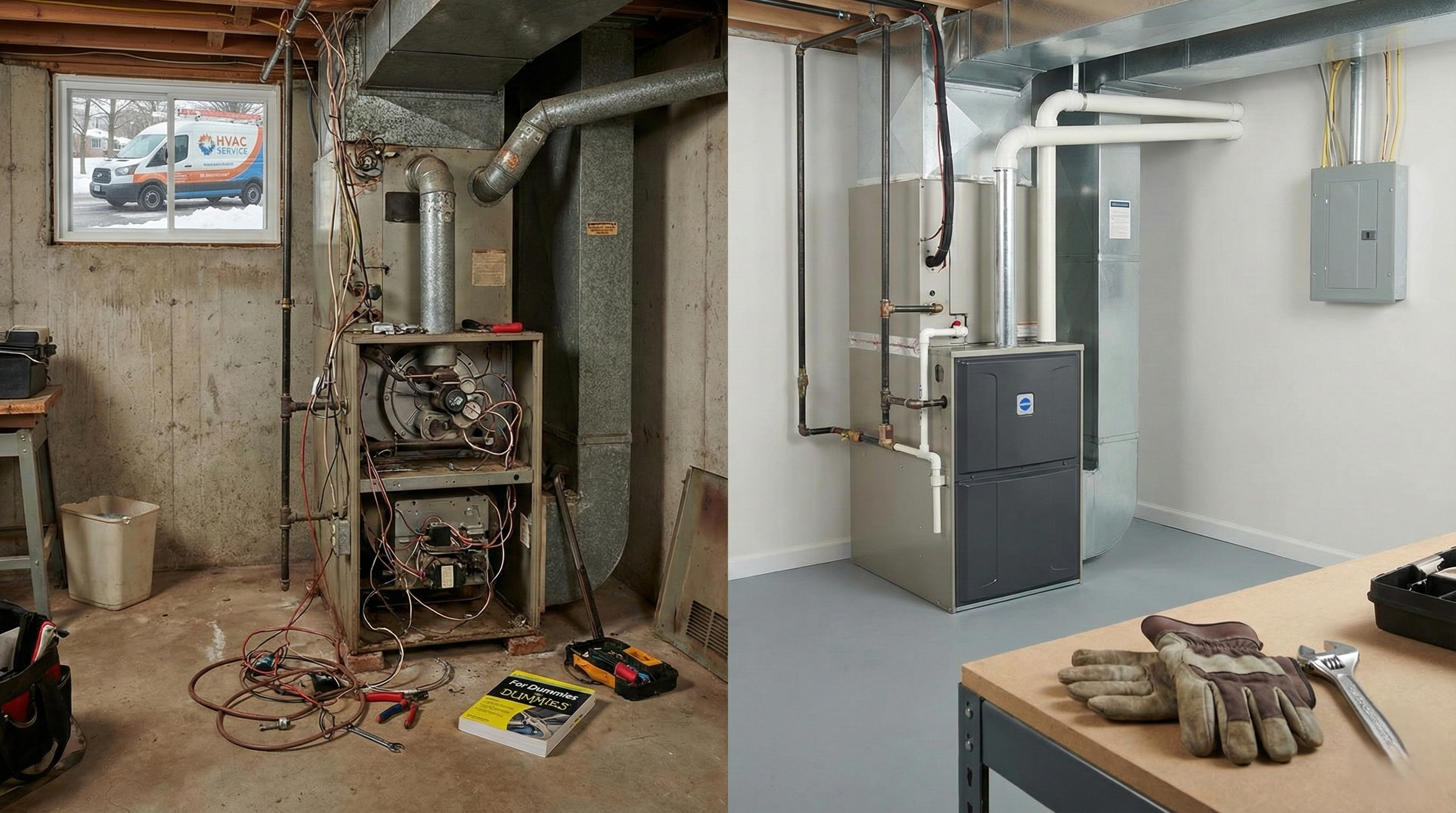
Heating system repair is something many homeowners consider handling themselves to save money. While DIY approaches may seem simple, the truth is that heating system repair often requires experience, knowledge, and specialized tools to be done safely and effectively. Attempting a repair without proper training can lead to bigger problems, safety risks, and higher costs in the long run.
Understanding when to attempt a DIY fix versus calling a professional is crucial for homeowners who want to maintain comfort and efficiency in their homes throughout the year.
Understanding Heating System Repair
Heating systems are complex machines designed to provide consistent warmth while using energy efficiently. They can include furnaces, heat pumps, boilers, or central heating units. Each system has unique components that work together, meaning that even a minor malfunction can disrupt performance.
Common Components Involved in Heating System Repair
-
Thermostats: Controls the system’s temperature settings.
-
Blowers and Fans: Distribute warm air throughout the home.
-
Heating Elements or Burners: Produce the heat itself.
-
Pipes and Ductwork: Carry the heated air or water to different rooms.
Improper handling of any of these parts during DIY repairs can result in inefficiency, system damage, or even injury.
Risks of DIY Heating System Repair
Homeowners often underestimate the risks associated with attempting a DIY heating system repair. While instructional videos and online guides may seem helpful, they cannot replace hands-on experience and professional knowledge.
Safety Hazards
DIY repairs can expose individuals to electrical shocks, gas leaks, or fire hazards if not done correctly. Many heating systems involve high voltage connections and combustible fuels, making them inherently risky for untrained personnel.
Long-Term Costs
A small mistake during a DIY repair can lead to more expensive repairs in the future. Homeowners may think they are saving money initially, but improperly fixing a heating system often results in system breakdowns and energy inefficiency, which increases bills over time.
Warranty Voiding
Many heating system manufacturers require professional servicing for repairs to maintain warranty coverage. DIY repairs can void warranties, leaving homeowners responsible for costly replacements or repairs that would otherwise be covered.
Situations Where DIY Repairs Might Work
While DIY heating system repair is generally discouraged, there are a few low-risk tasks homeowners can safely attempt.
Simple Thermostat Adjustments
Adjusting temperature settings or replacing batteries in a thermostat is usually safe and can resolve minor issues without professional help.
Air Filter Replacement
Regularly changing the air filter ensures the system runs efficiently. It’s simple, safe, and can prevent larger problems down the line.
Clearing Debris
Removing dust or small obstructions around vents can improve airflow without interfering with the system’s internal components.
Benefits of Hiring Professionals
Professional heating system repair technicians bring expertise, experience, and specialized tools that ensure repairs are performed correctly and safely.
Accurate Diagnosis
A trained professional can accurately identify the root cause of a problem, avoiding trial-and-error approaches that can worsen issues.
Proper Equipment and Parts
Heating system repair often requires specific parts and tools that homeowners may not have. Professionals can source the correct components and use specialized equipment for installation or replacement.
Safety Assurance
Technicians follow strict safety protocols to prevent hazards during repair, providing peace of mind that DIY attempts cannot guarantee.
Comparing Cost vs. Long-Term Value
Some homeowners avoid hiring professionals due to upfront costs. However, weighing immediate savings against long-term reliability and safety is essential.
-
DIY: Low initial expense but high potential for mistakes and extra costs.
-
Professional Repair: Higher upfront cost but ensures lasting performance, safety, and efficiency.
Over time, hiring a professional usually proves more cost-effective, especially for complex heating system repairs.
How Professionals Approach Heating System Repair
Understanding the professional process can help homeowners appreciate why DIY repair is often risky.
Inspection and Assessment
Technicians start with a thorough inspection of all components, including ducts, vents, burners, thermostats, and electrical connections.
Diagnosis
Using advanced diagnostic tools, professionals determine the exact issue rather than guessing, reducing unnecessary work.
Repair or Replacement
Depending on the findings, professionals either repair the faulty components or replace them entirely, ensuring the system runs efficiently and safely.
Testing and Quality Checks
After repairs, professionals test the system under normal operating conditions to confirm optimal performance.
Preventive Maintenance Tips
Even if homeowners hire professionals, preventive maintenance can reduce the frequency of major repairs.
Regular Inspections
Scheduling routine inspections ensures small issues are addressed before they escalate.
Seasonal Cleaning
Cleaning ducts, vents, and components before each heating season helps maintain efficiency.
Filter Replacement
Replacing air filters regularly prevents clogs that strain the system and reduce heating performance.
Monitoring System Performance
Homeowners should keep an eye on unusual noises, uneven heating, or rising energy bills, which may signal a problem requiring professional attention.
DIY vs. Professional: Making the Right Choice
The decision between DIY heating system repair and hiring professionals depends on the complexity of the issue and the homeowner’s experience. Minor maintenance tasks can often be handled safely by homeowners, but significant repairs involving electrical components, gas lines, or internal machinery are best left to experts.
Questions Homeowners Should Ask
-
Is the repair within my skill level?
-
What safety risks are involved?
-
Could a mistake cost more than hiring a professional?
-
Is the system under warranty?
If any of these questions raise concerns, professional repair is the safer choice.
Conclusion
In summary, while DIY heating system repair may seem appealing to save money, the risks often outweigh the benefits. Safety hazards, warranty issues, and long-term costs make professional repair the better choice for most homeowners. A trained technician ensures accurate diagnosis, proper parts usage, and secure, lasting results. For homeowners looking for reliable heating system repair, companies like FRHVAC provide expertise, safety, and peace of mind, making professional service the recommended solution.
Here, you can find more articles.

 English
 Arabic
 French
 Spanish
 Portuguese
 Deutsch
 Turkish
 Dutch
Dutch
 Italiano
 Romaian
 Portuguese (Brazil)
 Greek
Greek