


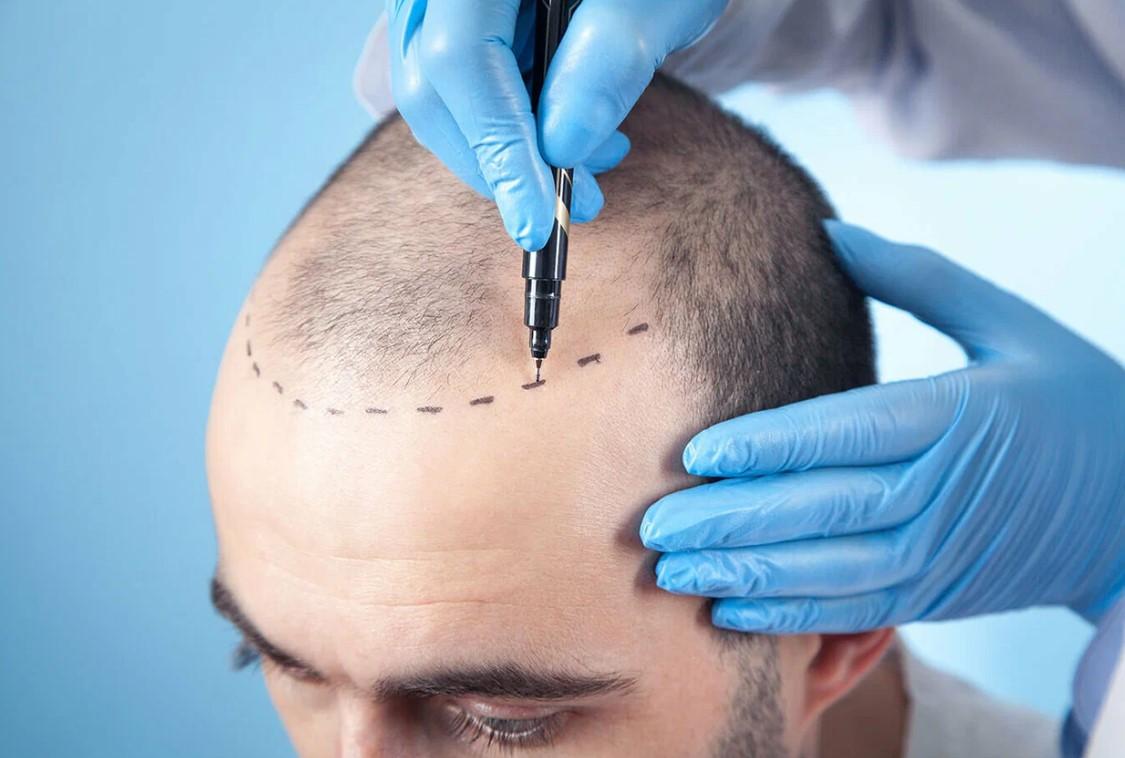
Hair transplantation is a surgical procedure designed to restore hair in areas affected by thinning or baldness. While the procedure itself is critical for transferring healthy hair follicles, post-transplant care—including diet and nutrition—plays a vital role in supporting healing, promoting hair growth, and ensuring the longevity of results. Proper nutrition provides the building blocks that hair follicles need to grow strong, healthy hair after transplantation. Hair transplantation in Dammam is a popular solution for men looking to restore hair density and improve their appearance.
1. Protein: The Building Block of Hair
Hair is primarily made of a protein called keratin. Adequate protein intake is therefore essential after a hair transplant to support new hair growth and repair tissues damaged during surgery.
Tips for protein intake:
-
Include lean meats such as chicken, turkey, and fish in your meals.
-
Incorporate plant-based proteins like lentils, beans, chickpeas, and tofu.
-
Eggs and dairy products like yogurt and cheese are also excellent protein sources.
A diet rich in protein ensures that transplanted hair follicles receive the necessary amino acids for growth, reduces the risk of weak hair strands, and supports overall recovery.
2. Iron: Preventing Hair Thinning
Iron is a mineral crucial for transporting oxygen to hair follicles, which supports growth and prevents shedding. Deficiency in iron can contribute to slower hair growth or hair loss.
Iron-rich foods to include:
-
Red meat, liver, and poultry
-
Leafy green vegetables such as spinach and kale
-
Lentils, beans, and chickpeas
-
Nuts and seeds, especially pumpkin seeds
Consuming vitamin C alongside iron-rich foods enhances absorption. For example, pair spinach with citrus fruits or bell peppers in salads. Maintaining proper iron levels post-transplant supports the survival and activity of transplanted follicles.
3. Omega-3 Fatty Acids: Nourishing Hair from the Inside
Omega-3 fatty acids help nourish hair follicles, reduce inflammation, and improve scalp circulation. They play a supportive role in creating an environment conducive to new hair growth.
Sources of omega-3 fatty acids:
-
Fatty fish like salmon, mackerel, sardines, and trout
-
Flaxseeds, chia seeds, and walnuts
-
Omega-3 enriched eggs
Incorporating these into your diet can support follicle health, reduce scalp irritation, and promote shiny, resilient hair as your transplant matures.
4. Vitamins for Hair Growth
Several vitamins are essential for healthy hair regrowth after a transplant:
-
Vitamin A: Supports scalp health and sebum production, keeping hair hydrated. Found in carrots, sweet potatoes, and pumpkin.
-
Vitamin C: An antioxidant that helps collagen formation, which strengthens hair. Found in citrus fruits, strawberries, and bell peppers.
-
Vitamin D: Supports the hair growth cycle and follicle regeneration. Sun exposure and fortified foods can help maintain levels.
-
Vitamin E: Improves blood circulation to the scalp and protects hair follicles from oxidative stress. Found in nuts, seeds, and green leafy vegetables.
-
B-Vitamins (especially Biotin): Essential for keratin production and cellular energy in hair follicles. Found in eggs, whole grains, and nuts.
A balanced diet with a variety of fruits, vegetables, whole grains, and lean proteins ensures adequate vitamin intake to support recovery and growth.
5. Minerals: Zinc and Selenium
Minerals play a crucial role in cellular repair, hormone regulation, and the hair growth cycle.
-
Zinc: Supports tissue repair and helps maintain healthy hair follicles. Sources include pumpkin seeds, beef, chickpeas, and nuts.
-
Selenium: Acts as an antioxidant to protect follicles from damage. Found in Brazil nuts, fish, eggs, and sunflower seeds.
Ensuring adequate mineral intake post-transplant aids in faster healing of donor and recipient sites and strengthens newly transplanted hair.
6. Hydration: Supporting Scalp and Follicle Health
Proper hydration is often overlooked but is essential for hair growth. Water supports nutrient delivery to hair follicles, maintains scalp elasticity, and helps flush out toxins that could hinder recovery.
Tips:
-
Aim for at least 8–10 glasses of water daily.
-
Include hydrating foods like cucumbers, watermelon, oranges, and leafy greens.
-
Avoid excessive caffeine and sugary drinks, which can contribute to dehydration.
Well-hydrated follicles recover more quickly and have a better environment for growth.
7. Foods to Avoid Post-Transplant
Certain foods and substances can interfere with healing or hair growth:
-
Excessive sugary or processed foods, which may increase inflammation.
-
Highly fried or greasy foods, which may affect circulation and scalp health.
-
Alcohol and smoking, which can constrict blood vessels and slow follicle recovery.
Limiting these substances while focusing on nutrient-rich foods can optimize the transplant results.
8. Meal Planning Tips for Dammam Residents
-
Include a variety of proteins, leafy greens, and whole grains at every meal.
-
Eat small, frequent meals to maintain steady nutrient intake.
-
Consider consulting a nutritionist for a personalized post-transplant diet plan.
-
Use herbs like turmeric and ginger, which have anti-inflammatory properties beneficial for healing.
A well-planned diet not only supports hair growth but also accelerates overall recovery after a hair transplant.
Conclusion
Nutrition plays a vital role in supporting hair growth and recovery after a transplant in Dammam. A diet rich in protein, vitamins, minerals, omega-3 fatty acids, and proper hydration ensures that transplanted follicles thrive. Avoiding inflammatory and processed foods while maintaining a balanced, nutrient-dense diet can accelerate healing and improve the quality, strength, and density of new hair.
By combining good nutrition with proper post-operative care and regular follow-ups with a surgeon, patients can maximize the benefits of their hair transplant and achieve long-lasting, natural-looking re

 Arabic
 French
 Spanish
 Portuguese
 Deutsch
 Turkish
 Dutch
Dutch
 Italiano
 Russian
 Romaian
 Portuguese (Brazil)
 Greek
Greek