


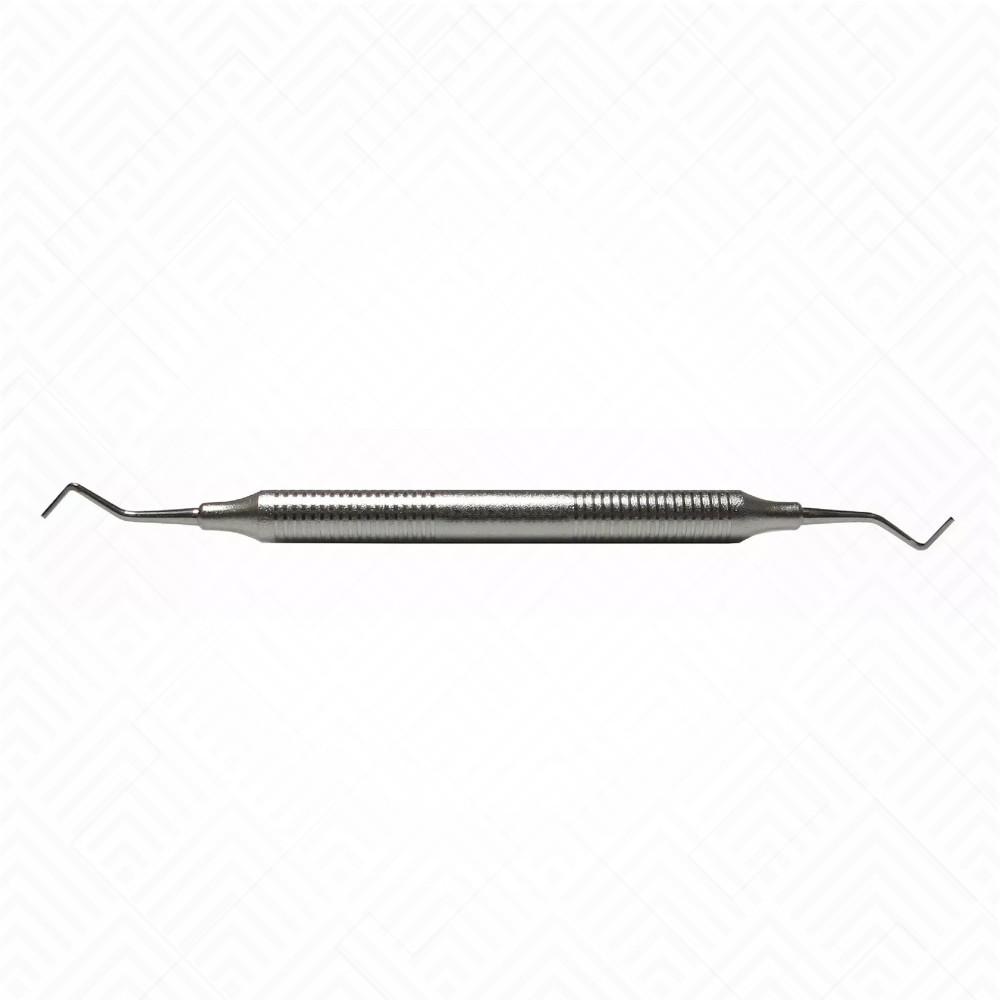
A precise and reliable set of tools is fundamental for any dental professional. Among the specialized instruments in a dentist's toolkit, the dental hatchet stands out for its unique design and critical function. This instrument plays a vital role in cavity preparation, enabling clinicians to achieve the perfect form and finish required for durable restorations. Understanding its purpose, design, and proper use is key to delivering exceptional patient care.
Unveiling the Purpose of the Dental Hatchet
The primary function of a dental hatchet is to plane and smooth enamel walls during cavity preparation. Specifically, it is used to break down weakened or unsupported enamel and to refine the internal line angles of a tooth preparation. This ensures that the cavity has clean, strong margins, which is crucial for the longevity of a filling. Without the precise action of this tool, achieving an ideal preparation that properly supports a restoration would be significantly more challenging.
Understanding the Instrument's Design
The design of a dental hatchet is what makes it so effective. It features a cutting edge on the same plane as the handle's long axis, but the blade itself is angled. This specific configuration provides the leverage and control needed to carefully chip away enamel without causing undue stress to the tooth structure. The instrument is typically double-ended, with blades oriented in opposite directions to provide access to different areas of the mouth, whether on the right or left side.
The Role of a Hatchet in Modern Dentistry
While modern dentistry has seen the rise of high-speed rotary instruments, hand instruments like the dental hatchet retain their importance. They offer a level of tactile feedback and precision that rotary burs cannot always replicate. A skilled practitioner uses a dental hatchet to finalize the details of a cavity preparation, ensuring that every internal angle is perfectly defined and all fragile enamel is removed. This meticulous approach contributes directly to the success of the final restoration.
Techniques for Proper Usage
Effective use of a dental hatchet requires a controlled, steady hand. The instrument is typically used with a push or pulling motion to carefully plane the walls of the preparation. The clinician must have a deep understanding of tooth anatomy to apply force correctly, removing only the necessary amount of tooth structure. This level of skill is developed through extensive training and practice, which is why dental students spend considerable time mastering hand instrumentation.
Why Quality Matters for Dental Instruments
The performance of any dental procedure is directly linked to the quality of the instruments used. A high-quality dental hatchet will have a sharp, durable cutting edge that maintains its integrity over time. It will also be crafted from premium-grade stainless steel for corrosion resistance and longevity. For surgeons, students, and healthcare professionals who demand perfect and precise results, settling for anything less than superior instrumentation is not an option.
New Med Instruments' Commitment to Excellence
At New Med Instruments, we are dedicated to providing surgical tools that meet the highest standards of quality and performance. We understand that professionals worldwide rely on their instruments to deliver outstanding patient outcomes. Our dental explorer is a reflection of this commitment, engineered for precision, balance, and durability. We provide superior service and instruments that empower clinicians to perform their best work with confidence.
Conclusion: An Indispensable Tool for Precision
The dental hatchet is more than just a simple hand tool; it is an instrument of precision that is indispensable for quality restorative dentistry. Its unique design and specific application make it essential for creating well-formed and durable cavity preparations. By choosing high-quality instruments from a trusted provider like New Med Instruments, dental professionals can ensure they have the reliable tools they need to provide the best possible care for their patients.

 Arabic
 French
 Spanish
 Portuguese
 Deutsch
 Turkish
 Dutch
Dutch
 Italiano
 Russian
 Romaian
 Portuguese (Brazil)
 Greek
Greek