


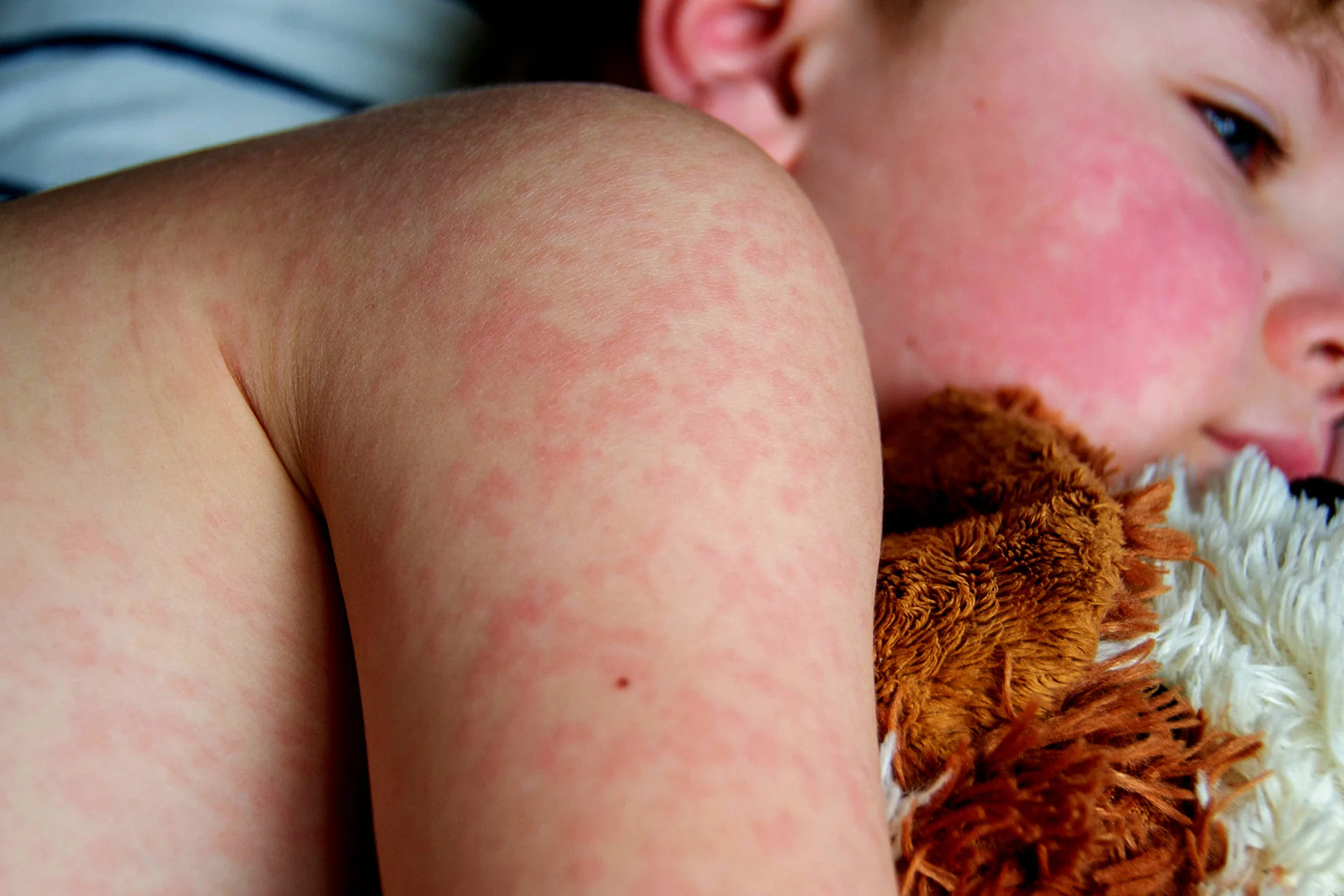
Seeing red bumps or patches on your baby's soft skin can be scary for any parent. You might wonder if something is seriously wrong or if you did something wrong that caused the baby's rashes. The truth is that baby rashes are extremely common, and most of them are harmless and easy to treat.
Babies have very delicate skin that's still learning to adapt to the world outside the womb. This makes them more prone to developing various skin conditions during their first months and years. Understanding what these rashes look like and what causes them can help you feel more confident as a parent.
Why Babies Get Rashes So Easily
Baby skin is much thinner and more sensitive than adult skin. It loses moisture faster and can react to things that wouldn't bother grown-up skin at all.
Their immune systems are still developing, which means their bodies are learning how to respond to new things in their environment. This can lead to skin reactions that seem to come out of nowhere.
Babies also can't tell you when something is bothering them, so their skin often shows problems before you notice other signs. This is actually helpful because it gives you an early warning that something needs attention.
Diaper Rash: The Most Common Issue
Almost every baby will experience diaper rash at some point. This happens when the skin under a diaper gets irritated from wetness, rubbing, or contact with urine and stool.
Diaper rash usually looks like red, puffy skin in the diaper area. The skin might be warm to the touch, and your baby may cry or seem uncomfortable during diaper changes.
To prevent and treat diaper rash, change diapers frequently and let your baby's bottom air out when possible. Apply a thick barrier cream with zinc oxide at each diaper change to protect the skin.
Heat Rash in Warm Weather
Heat rash happens when babies get too warm and their sweat glands get blocked. You'll see tiny red or pink bumps, usually in places where skin folds or where clothing is tight.
Common spots for heat rash include the neck, chest, back, and in the folds of elbows and knees. The bumps might look like little blisters and can be itchy or prickly.
Keep your baby cool by dressing them in loose, breathable clothing made from natural fabrics like cotton. Avoid overdressing them, especially during sleep, and keep rooms at a comfortable temperature.
Eczema: Dry and Itchy Patches
Baby eczema, also called atopic dermatitis, creates dry, scaly patches that can be very itchy. These patches are often red or brown and may appear on the face, scalp, or joints.
Babies with eczema might rub affected areas against bedding or furniture to try to relieve the itching. The skin may become thick or crusty if the condition isn't managed properly.
Managing eczema involves keeping skin well-moisturized with gentle, fragrance-free creams. Avoid harsh soaps and hot water, which can make the dryness worse. Understanding different types of baby rashes helps you recognize when eczema needs medical attention.
Cradle Cap: Crusty Scalp Patches
Cradle cap looks like yellow or brown crusty patches on a baby's scalp. It might also appear on the eyebrows, behind the ears, or in skin folds.
This condition isn't itchy or painful, and it doesn't bother babies even though it might look uncomfortable. It's caused by too much oil production in the skin glands.
You can treat cradle cap by gently massaging baby oil or olive oil into the scalp, waiting 15 minutes, then washing with a gentle baby shampoo. Use a soft brush to loosen the flakes, but don't pick at them.
Baby Acne: Tiny Facial Bumps
Some babies develop small red or white bumps on their face, usually within the first few weeks of life. This baby acne is caused by hormones passed from the mother to the baby before birth.
Baby acne usually appears on the cheeks, nose, and forehead. It might look worse when the baby is hot or fussy, or after they've been crying.
The good news is that baby acne almost always goes away on its own without any treatment. Just wash your baby's face once a day with warm water and a gentle cleanser, and avoid putting lotions or oils on the affected areas.
Contact Dermatitis: Reaction to Irritants
Contact dermatitis happens when a baby's skin touches something that causes irritation or an allergic reaction. This could be laundry detergent, fabric softener, certain fabrics, or even saliva from drooling.
The rash appears where the skin comes into contact with the irritant and looks red, bumpy, or swollen. It might be itchy or uncomfortable for your baby.
To help with contact dermatitis, figure out what's causing the reaction and avoid it. Wash new clothes before your baby wears them, use fragrance-free and dye-free laundry products, and rinse clothes twice to remove all soap.
Yeast Infections: Stubborn Diaper Area Rashes
Sometimes what looks like diaper rash is actually a yeast infection. These rashes are bright red with clear borders and may have small red bumps spreading outward from the main rash.
Yeast infections often develop after a baby takes antibiotics, which can disrupt the natural balance of bacteria and yeast on the skin. They don't improve with regular diaper rash cream.
If you suspect a yeast infection, see your pediatrician. They can prescribe an antifungal cream that will clear up the rash within a few days. Learning about various types of baby rashes helps you know when to seek medical advice.
Viral Rashes: When Illness Causes Skin Changes
Some viral infections cause distinctive rashes along with other symptoms like fever or fussiness. Roseola, for example, causes a high fever followed by a pink rash once the fever breaks.
Hand, foot, and mouth disease creates small blisters on the palms, soles, and inside the mouth. Fifth disease causes a bright red rash on the cheeks that looks like someone slapped the child's face.
Most viral rashes don't need specific treatment and will go away as the illness runs its course. Keep your baby comfortable, offer plenty of fluids, and contact your doctor if you're concerned.
When to Call the Doctor
While most baby rashes are harmless, some situations need medical attention. Call your pediatrician if a rash spreads quickly, looks infected with pus or yellow crusting, or if your baby has a fever along with the rash.
Also seek help if your baby seems very uncomfortable or if a rash doesn't improve after a few days of home treatment. Trust your instincts as a parent—if something doesn't seem right, it's always better to get it checked.
Get emergency care if your baby has a rash with a stiff neck, difficulty breathing, or extreme drowsiness, as these could be signs of a serious condition.
Gentle Care for Baby Skin
The best way to prevent many rashes is through gentle daily care. Use mild, fragrance-free products made specifically for babies, and avoid over-bathing, which can dry out delicate skin.
Pat skin dry instead of rubbing, and apply a gentle moisturizer while skin is still slightly damp to lock in moisture. Dress your baby in soft, breathable fabrics and wash new clothes before the first wear.
Keep your baby's nails trimmed short to prevent scratching, which can make rashes worse or lead to infection. Recognizing different types of baby rashes early helps you respond quickly with appropriate care.
Conclusion
Baby rashes can look alarming, but most are temporary and easily treated at home. By learning to recognize common types and knowing when to seek help, you can keep your baby comfortable and healthy. Remember that every baby is different, and what works for one might not work for another. Be patient with your little one's skin as it adjusts to the world, and don't hesitate to ask your pediatrician questions whenever you're unsure.

 English
 Arabic
 Spanish
 Portuguese
 Deutsch
 Turkish
 Dutch
Dutch
 Italiano
 Russian
 Romaian
 Portuguese (Brazil)
 Greek
Greek