


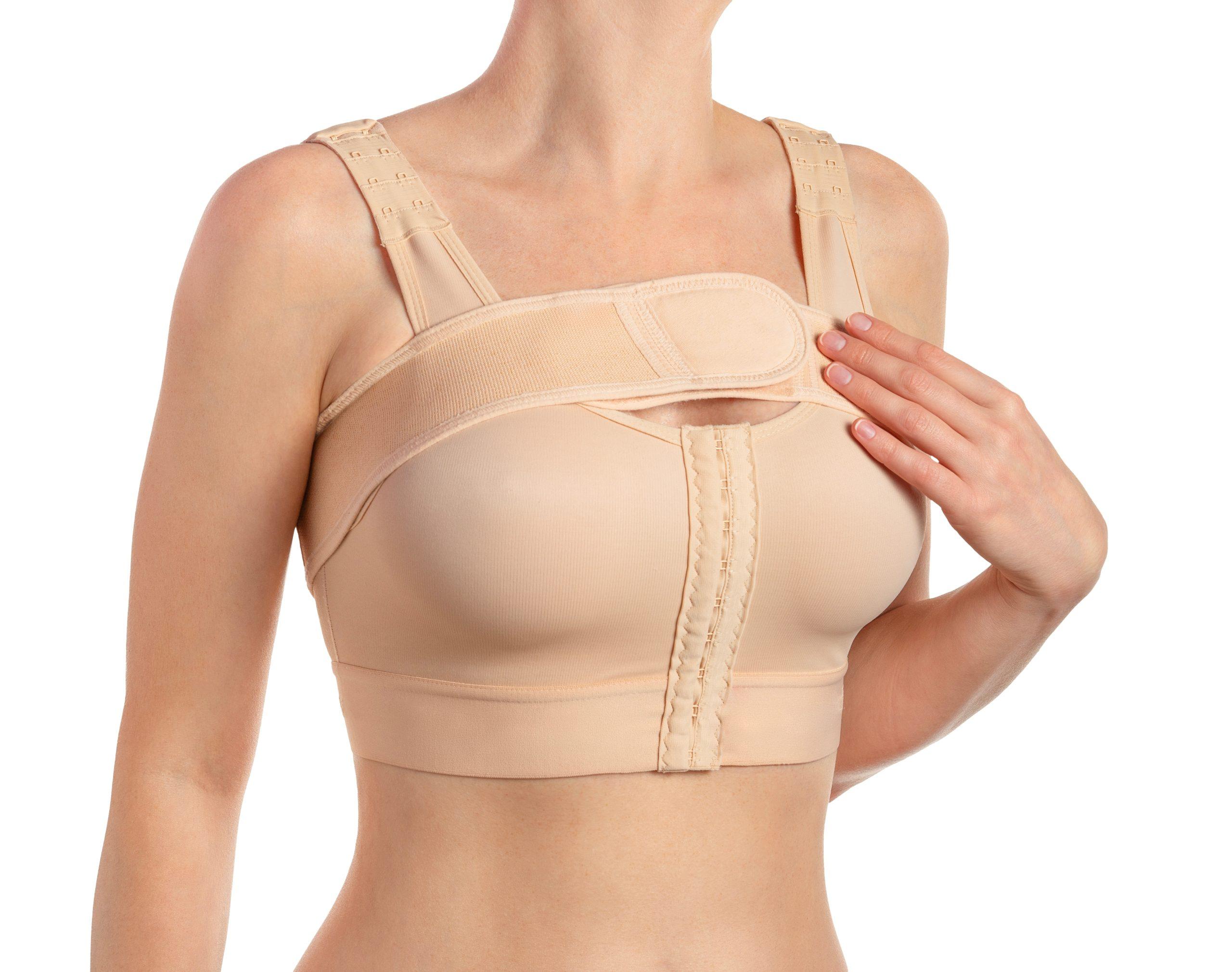
Breast augmentation surgery is a popular cosmetic procedure in Riyadh, offering women the ability to enhance breast size, shape, and symmetry. While the procedure is generally safe when performed by a qualified and experienced plastic surgeon, like any surgery, it carries potential risks and complications. Understanding these risks before undergoing surgery is essential for informed decision-making, realistic expectations, and optimal outcomes. Breast augmentation surgery in Riyadh is a popular cosmetic procedure for enhancing breast size, shape, and overall body proportions with long-lasting results.
1. General Surgical Risks
As with any surgical procedure, breast augmentation carries general risks related to anesthesia and surgery itself. These include:
-
Reaction to anesthesia: Some patients may experience nausea, vomiting, or allergic reactions to anesthesia medications. Severe complications are rare but can include breathing or heart complications.
-
Bleeding and hematoma: Excessive bleeding during or after surgery can occur, sometimes requiring additional procedures to stop bleeding or remove collected blood.
-
Infection: Infection can develop at the incision site or around the implant. Surgeons in Riyadh use strict sterile techniques and may prescribe antibiotics to reduce this risk.
Although these risks are uncommon in well-prepared patients, understanding them helps individuals take precautions and follow post-operative instructions carefully.
2. Capsular Contracture
One of the most discussed complications of breast augmentation is capsular contracture. This occurs when the body forms a tight, fibrous capsule of scar tissue around the implant. While scar tissue is a natural part of healing, excessive tightening can lead to:
-
Hardening of the breast
-
Distorted shape
-
Discomfort or pain
Capsular contracture may require revision surgery to correct, though surgeons often take steps to minimize its occurrence, including precise implant placement, use of smooth or textured implants when appropriate, and meticulous surgical technique.
3. Implant Rupture or Leakage
Implant rupture or leakage is another potential risk. The consequences differ based on the type of implant:
-
Saline implants: If a saline implant ruptures, the sterile saltwater is safely absorbed by the body, and the breast appears deflated. Detection is usually immediate.
-
Silicone implants: Silicone gel may remain in the implant shell or surrounding tissue, leading to a “silent rupture” that is not immediately noticeable. Regular follow-ups and imaging are recommended to monitor implant integrity.
While rupture is uncommon, patients should understand that implants are not lifetime devices and may need replacement or revision surgery over time.
4. Changes in Breast Sensation
Some patients experience changes in nipple or breast sensation after surgery. This can range from increased sensitivity to numbness. Sensory changes are usually temporary, resolving over several weeks to months, but in rare cases, they can be permanent.
5. Implant Malposition and Asymmetry
Even with careful planning, implant malposition can occur, resulting in uneven or unnatural breast appearance. Common causes include:
-
Surgical error
-
Natural healing variations
-
Excessive swelling or movement during early recovery
Asymmetry may require revision surgery to correct implant position and improve aesthetic results.
6. Scarring
All surgical procedures result in some scarring. In breast augmentation, the location of incisions affects scar visibility:
-
Inframammary fold (under the breast) scars are generally discreet
-
Periareolar (around the nipple) scars may be slightly more noticeable
-
Transaxillary (armpit) scars are hidden but can be harder to revise
Good post-operative care, including scar massage and silicone sheets, can help minimize visible scarring.
7. Pain and Discomfort
Mild to moderate pain and tightness is expected after breast augmentation. Rarely, persistent pain may develop due to capsular contracture, nerve irritation, or implant malposition. Effective pain management during the immediate post-operative period helps reduce this risk and supports smoother healing.
8. Rippling and Wrinkling
Some patients, particularly those with thin breast tissue, may notice rippling or wrinkling of the implant, more commonly with saline implants. Surgeons may address this risk by:
-
Placing implants under the muscle
-
Using appropriately sized implants relative to breast tissue
-
Choosing silicone implants when natural appearance is a priority
9. Complications During Recovery
During the recovery phase, patients may encounter temporary issues, including:
-
Swelling and bruising
-
Mild redness or irritation at incision sites
-
Delayed wound healing due to smoking, poor nutrition, or underlying medical conditions
Following post-operative instructions closely and attending scheduled check-ups in Riyadh is crucial to minimize these risks.
10. Psychological and Emotional Considerations
While not a physical complication, it is important to acknowledge emotional reactions after surgery. Some patients may feel anxiety about results or body changes. Setting realistic expectations during pre-surgery consultations helps reduce dissatisfaction or emotional distress.

 Arabic
 French
 Spanish
 Portuguese
 Deutsch
 Turkish
 Dutch
Dutch
 Italiano
 Russian
 Romaian
 Portuguese (Brazil)
 Greek
Greek