


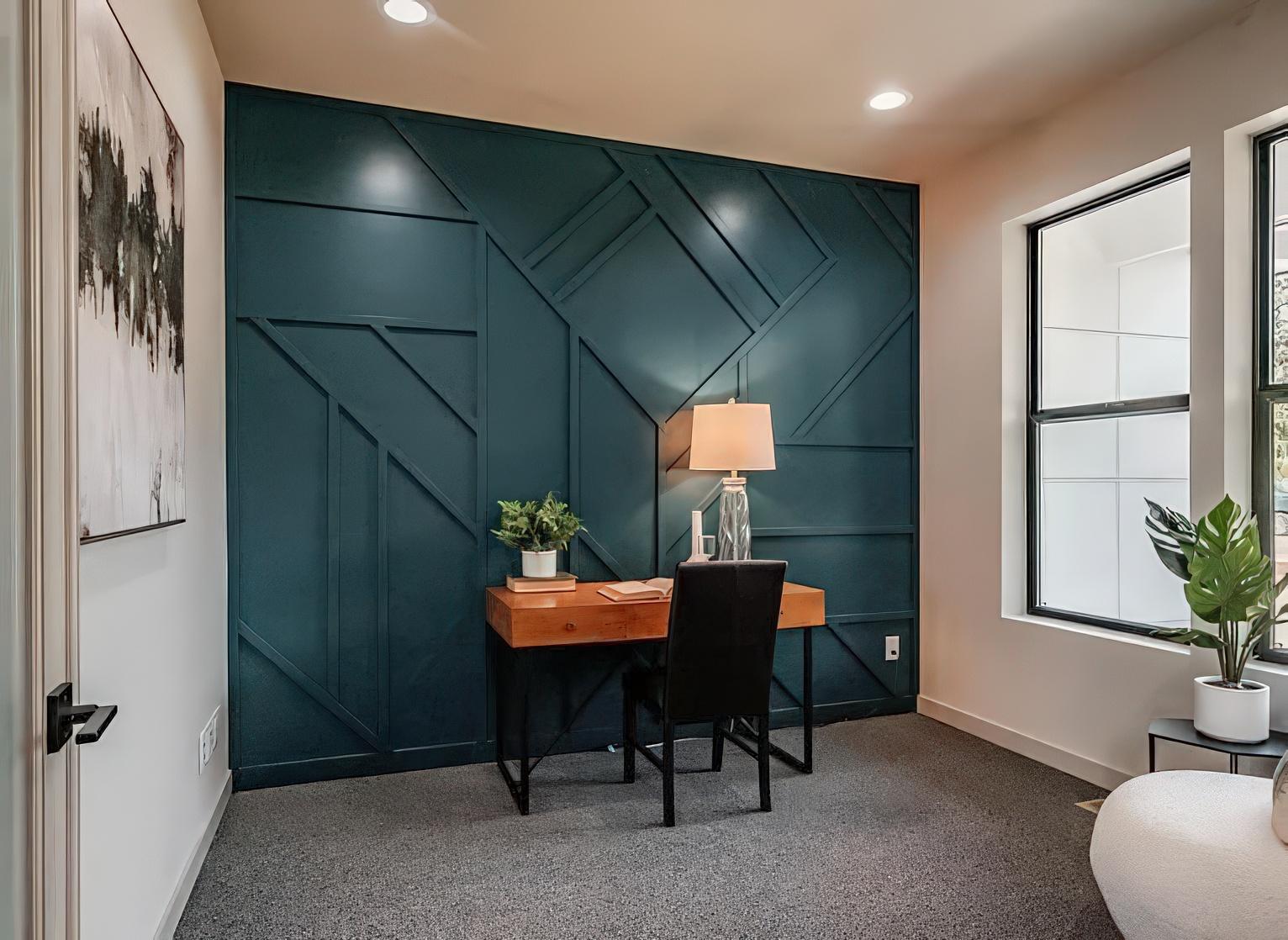
Raleigh, NC has experienced steady growth over the last decade, bringing a blend of historic neighborhoods, modern developments, and renovated homes. As housing styles evolve, homeowners increasingly look for ways to personalize their interiors beyond standard layouts. This is where custom carpentry becomes essential. Rather than relying on mass-produced fixtures, custom woodwork adapts to how people actually live, work, and move within their homes.
This article explores how custom carpentry influences functionality, space optimization, and long-term value in Raleigh homes, while addressing the practical considerations unique to the local area.
Understanding Custom Carpentry Beyond Aesthetics
Custom carpentry is often associated with decorative trim or built-in shelves, but its role extends far beyond visual appeal. At its core, custom carpentry involves designing and crafting wood elements specifically for a space, rather than forcing a space to fit pre-made components.
In Raleigh, homes range from mid-century ranch houses to newly built townhomes. Each structure presents different challenges, such as uneven walls, limited storage, or outdated layouts. Custom carpentry allows solutions to be built around these constraints instead of ignoring them.
Common applications include:
-
Built-in storage systems
-
Custom cabinetry
-
Staircase enhancements
-
Fireplace mantels
-
Door and window framing
-
Structural wood repairs
By focusing on precision and fit, custom carpentry improves how a home functions daily.
Why Raleigh Homes Benefit from Custom Carpentry Solutions
Raleigh’s housing market includes a large number of older homes, especially inside the Beltline. These properties often feature architectural charm but lack modern storage or open layouts. Custom carpentry bridges that gap by integrating modern functionality without removing character.
Additionally, newer homes in suburban Raleigh developments often use standardized layouts. While efficient, these designs may not accommodate individual lifestyles. Custom carpentry introduces flexibility by modifying interiors to better serve homeowners’ needs.
Local climate conditions also matter. Raleigh’s humidity can affect wood expansion and contraction, making professional carpentry essential for durability and proper installation.
Custom Carpentry for Space Optimization in Raleigh Homes
One of the most practical benefits of custom carpentry is space optimization. Many Raleigh homes include underutilized areas such as alcoves, stairwells, or awkward corners. These spaces can be transformed into functional storage or living features with thoughtful carpentry design.
Examples include:
-
Built-in bookcases under stairs
-
Window seats with hidden storage
-
Custom closets for non-standard room sizes
-
Floating shelves designed to fit exact wall dimensions
Rather than adding square footage, custom carpentry makes better use of what already exists.
The Role of Custom Carpentry in Kitchen and Bathroom Layouts
Kitchens and bathrooms are among the most remodeled spaces in Raleigh homes. While appliances and fixtures matter, the carpentry work behind cabinetry, shelving, and framing defines usability.
Custom carpentry allows:
-
Cabinets designed for specific cooking habits
-
Drawer configurations based on storage needs
-
Bathroom vanities built to fit unusual plumbing layouts
-
Wood framing that supports long-term moisture resistance
When paired with remodeling efforts, custom carpentry creates cohesive spaces that balance durability and efficiency. Homeowners exploring kitchen or bathroom upgrades in Raleigh often rely on this craftsmanship to achieve lasting results.
Materials Commonly Used in Raleigh Custom Carpentry Projects
Material selection plays a major role in how long carpentry work lasts. Raleigh’s seasonal humidity requires woods and finishes that resist warping and moisture absorption.
Frequently used materials include:
-
Hardwood such as oak, maple, and poplar
-
Engineered wood for stability in humid conditions
-
Moisture-resistant plywood for cabinetry
-
Low-VOC finishes to improve indoor air quality
Professional carpenters account for environmental conditions when selecting materials, ensuring structural integrity over time.
How Custom Carpentry Supports Aging-in-Place Designs
Many Raleigh homeowners plan to stay in their homes long-term. Custom carpentry supports aging-in-place by adapting living spaces to changing mobility needs without compromising design.
Examples include:
-
Custom handrails integrated into staircases
-
Lowered shelving and cabinetry
-
Built-in seating for entryways
-
Wider door frames with reinforced wood supports
These solutions maintain accessibility while preserving visual continuity throughout the home.
Custom Carpentry and Property Value in Raleigh, NC
While custom carpentry is often pursued for personal comfort, it also influences property value. Buyers in Raleigh increasingly look for homes with built-in storage, quality craftsmanship, and thoughtful design elements.
Unlike temporary upgrades, custom carpentry becomes part of the home’s structure. Well-executed woodwork signals quality construction and attention to detail, both of which appeal to prospective buyers.
In competitive neighborhoods, these features can differentiate a home without requiring full-scale renovations.
Working with Local Custom Carpentry Professionals in Raleigh
Choosing local professionals matters when it comes to custom carpentry. Knowledge of Raleigh building codes, climate conditions, and common home layouts ensures smoother project execution.
Companies like NC Home Pros bring regional insight that helps tailor carpentry work to local housing styles and structural requirements. Their experience across remodeling and woodwork projects in Raleigh allows homeowners to approach custom carpentry as part of a larger home improvement strategy rather than a standalone task.
For a detailed overview of available services, homeowners can explore the dedicated Custom Carpentry page to understand how tailored woodwork fits into broader renovation efforts.
Integrating Custom Carpentry with Remodeling Projects
Custom carpentry is most effective when planned alongside remodeling projects. Whether updating kitchens, bathrooms, or living areas, carpentry defines how spaces connect and function.
In Raleigh, many remodeling projects involve reconfiguring layouts rather than expanding footprints. Custom carpentry enables:
-
Seamless transitions between rooms
-
Concealed storage solutions
-
Structural framing adjustments
-
Unified design themes across spaces
Homeowners considering larger renovations often review localized remodeling resources such as the Raleigh-focused remodeling overview available through NC Home Pros to understand how carpentry fits into complete home transformations.
Maintenance Considerations for Custom Carpentry
Custom woodwork requires ongoing care, but maintenance is generally minimal when materials and finishes are chosen correctly.
Recommended practices include:
-
Controlling indoor humidity
-
Cleaning wood surfaces with non-abrasive products
-
Periodic inspection of joints and fasteners
-
Refinishing high-touch surfaces when needed
Properly maintained carpentry can last decades, making it a long-term investment rather than a temporary upgrade.
How Custom Carpentry Reflects Raleigh’s Architectural Identity
Raleigh’s architectural identity blends traditional Southern elements with modern design trends. Custom carpentry allows homeowners to reflect this balance through thoughtful woodwork.
From classic crown molding in historic homes to minimalist built-ins in contemporary spaces, carpentry adapts to evolving design preferences while respecting regional character.
This flexibility ensures that homes feel intentional rather than generic.
Frequently Asked Questions (FAQs)
1. What is custom carpentry?
Custom carpentry involves designing and building wood elements specifically for a home’s layout and needs instead of using pre-made products.
2. Why is custom carpentry popular in Raleigh, NC?
Raleigh’s mix of older homes and new developments benefits from tailored woodwork that adapts to varied layouts and lifestyles.
3. How long does custom carpentry last?
With proper materials and installation, custom carpentry can last several decades.
4. Is custom carpentry only for large remodels?
No, it can be used for small projects such as shelving, trim work, or storage solutions.
5. Does Raleigh’s climate affect carpentry work?
Yes, humidity impacts wood behavior, which is why professional material selection is important.
6. Can custom carpentry increase home value?
Quality built-in features often enhance resale appeal and perceived craftsmanship.
7. Is custom carpentry environmentally friendly?
It can be, especially when using sustainably sourced wood and low-VOC finishes.
8. How is custom carpentry different from cabinetry?
Cabinetry is a subset of custom carpentry; carpentry includes structural and decorative woodwork beyond cabinets.
9. Can custom carpentry help with storage issues?
Yes, it is one of the most effective ways to maximize storage in limited or awkward spaces.
10. Should custom carpentry be planned early in renovations?
Yes, early planning ensures structural alignment and design consistency throughout the project.
Closing Thoughts
Custom carpentry in Raleigh, NC is more than a design choice—it’s a functional response to diverse home layouts, evolving lifestyles, and long-term living goals. By focusing on precision, adaptability, and craftsmanship, custom woodwork enhances how homes are used every day while preserving architectural character. When approached thoughtfully, it becomes a foundational element of practical, livable design.

 Arabic
 French
 Spanish
 Portuguese
 Deutsch
 Turkish
 Dutch
Dutch
 Italiano
 Russian
 Romaian
 Portuguese (Brazil)
 Greek
Greek