


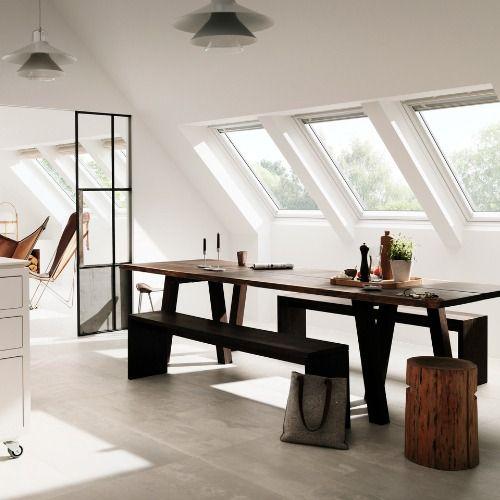
Velux loft conversions are one of the most popular ways for UK homeowners to add valuable living space without extending the footprint of their property. By introducing roof-mounted windows, these conversions flood lofts with natural light while keeping the external appearance largely unchanged. However, before any work begins, it’s essential to understand the planning permission requirements and building regulations that apply to velux loft conversions. Getting this right from the outset helps avoid delays, unexpected costs, and compliance issues later on.
Do Velux Loft Conversions Need Planning Permission?
In many cases, velux loft conversions fall under permitted development rights, meaning full planning permission is not required. This is because Velux windows sit flush with the roof slope and do not significantly alter the building’s external structure. As long as the conversion meets specific criteria, homeowners can usually proceed without submitting a planning application.
Permitted development rules generally allow roof windows provided they do not project more than 150mm beyond the existing roof plane and are made from materials similar in appearance to the original property. Side-facing windows must use obscure glazing and be non-opening below a certain height to protect neighbouring privacy. These conditions are designed to balance homeowners’ needs with the surrounding area’s visual harmony.
When Planning Permission Is Required
Despite their simplicity, there are situations where velux loft conversions do require planning permission. Properties located in conservation areas, listed buildings, or areas of outstanding natural beauty often face stricter controls. In such cases, even minor changes to the roof can need formal approval.
Planning permission may also be required if the proposed conversion exceeds volume limits, alters the roof shape, or impacts neighbouring properties. Flats and maisonettes do not benefit from permitted development rights, so owners must always apply for consent. Consulting experienced builders in Worthing West Sussex can help homeowners quickly determine whether their project falls inside or outside permitted development.
Understanding Building Regulations for Velux Loft Conversions
Even if planning permission is not required, velux loft conversions must comply fully with UK building regulations. These rules focus on safety, structural integrity, and energy efficiency rather than appearance. Approval is usually granted through the local authority’s building control department or an approved private inspector.
Building regulations cover several key areas, including structural strength, fire safety, insulation, ventilation, soundproofing, and safe access. A building control officer will inspect the work at various stages to ensure compliance. Ignoring these requirements can lead to enforcement action and complications when selling the property.
Structural Safety and Load-Bearing Requirements
One of the most important considerations for velux loft conversions is whether the existing roof structure can support the new use. Many older homes were not designed to carry additional loads, so structural calculations are often required. Steel beams or reinforced joists may be needed to safely distribute weight.
Building regulations require that any structural changes are designed by a qualified professional. This ensures the conversion remains safe and durable over time. Reputable builders in Worthing West Sussex typically work closely with structural engineers to meet these standards while minimising disruption.
Fire Safety Rules You Must Follow
Fire safety is a critical part of building regulations for velux loft conversions. The rules aim to provide safe escape routes in the event of a fire. This often involves installing fire-resistant doors on rooms leading to the staircase and ensuring smoke alarms are fitted on each level of the home.
In some cases, the Velux windows themselves can act as emergency escape windows, provided they meet minimum size requirements. The positioning and opening dimensions must allow safe access for occupants and rescue services. These details are closely checked during inspections, making professional guidance essential.
Insulation, Ventilation, and Energy Efficiency
Modern building regulations place strong emphasis on energy efficiency. Velux loft conversions must include adequate insulation in the roof, walls, and floors to reduce heat loss. High-quality Velux windows are designed with thermal performance in mind, but correct installation is just as important.
Ventilation is also required to prevent condensation and maintain healthy indoor air quality. This includes background ventilation through window trickle vents and mechanical extraction where necessary. Meeting these standards not only ensures compliance but also makes the converted space comfortable throughout the year.
Staircases, Head Height, and Access Rules
Safe access to the loft is another key requirement under building regulations. A permanent staircase must be installed, offering sufficient head height and appropriate pitch. While space-saving stairs may be acceptable in some cases, they must still meet safety guidelines.
Minimum head height rules apply to staircases and usable areas of the loft, although some flexibility exists in older properties. Careful design helps maximise space while remaining compliant. Experienced builders in Worthing West Sussex understand how to design staircases that balance practicality with regulation requirements.
Party Wall Agreements and Neighbour Considerations
If your velux loft conversion involves work on or near a shared wall, the Party Wall etc. Act 1996 may apply. This is separate from planning permission and building regulations but equally important. Homeowners must notify adjoining neighbours before work begins and obtain written consent where required.
Addressing party wall matters early helps prevent disputes and delays. While not all velux loft conversions trigger the Act, it’s wise to seek advice to confirm your obligations.
Why Professional Guidance Makes a Difference
Although velux loft conversions are often simpler than other types of loft conversions, the legal and technical requirements should never be underestimated. Mistakes with planning rules or building regulations can result in costly corrections or legal issues later.
Working with experienced builders in Worthing West Sussex ensures every stage of the project is handled correctly, from initial assessments to final inspections. Professional teams understand local authority expectations and help homeowners achieve a smooth, compliant conversion that adds lasting value.
Final Thoughts
Velux loft conversions offer a practical and stylish way to transform unused roof space, but success depends on understanding and following the correct planning permission and building rules. While many projects benefit from permitted development rights, building regulations always apply and must be taken seriously. With careful planning, professional input, and compliance at every stage, homeowners can enjoy a bright, safe, and fully approved loft space that enhances both comfort and property value.

 Arabic
 French
 Spanish
 Portuguese
 Deutsch
 Turkish
 Dutch
Dutch
 Italiano
 Russian
 Romaian
 Portuguese (Brazil)
 Greek
Greek