


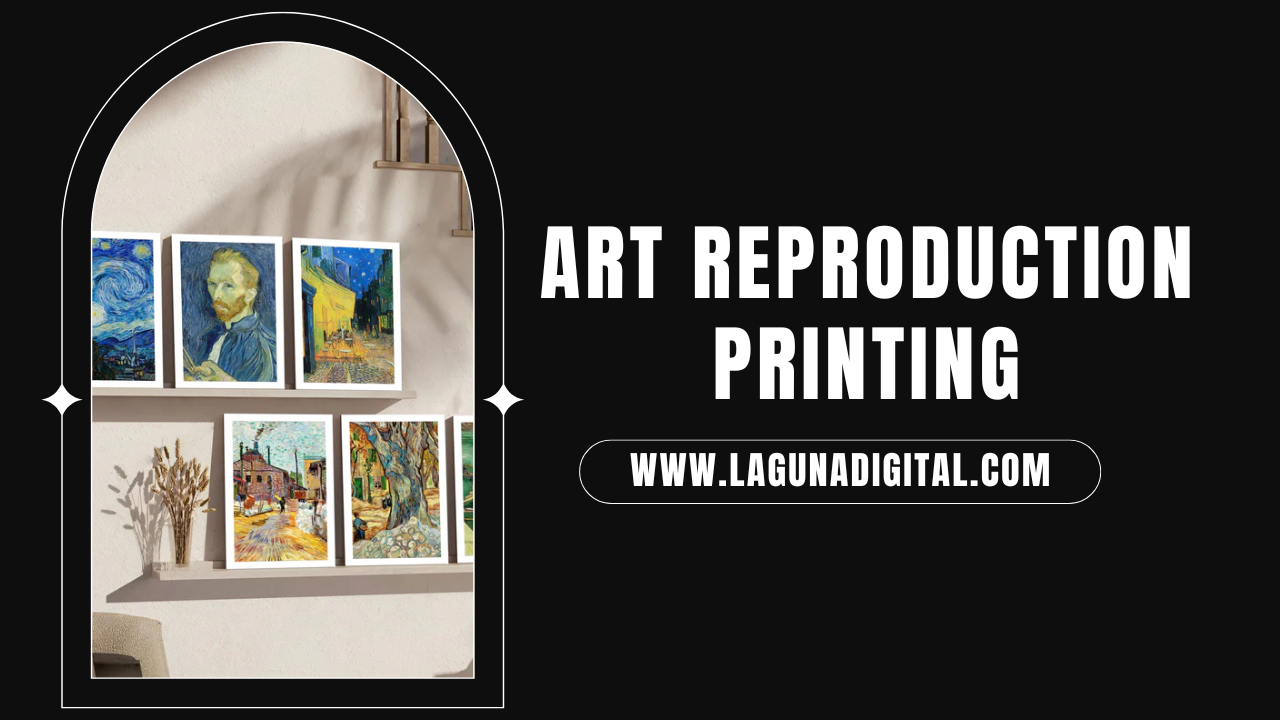
There is a profound difference between a simple copy and a true reproduction. As printing professionals who have spent years handling delicate canvases and fragile watercolors, we understand the emotional weight attached to every piece of art. When an artist walks into our studio, they aren't just bringing a product; they are bringing a piece of their soul that they wish to share with the world. The challenge, however, lies in the translation. We have seen too many disappointed creatives who tried to replicate their work elsewhere, only to receive prints where the vibrant reds looked brown and the subtle textures were flattened into oblivion.
High-quality Art Reproduction is a specialized discipline that sits at the intersection of technology and artistry. It requires more than just a high-end printer; it demands a deep understanding of how light interacts with pigment and paper. Whether you are a museum curator looking to archive a historical collection or an emerging artist wanting to sell limited edition prints, the fidelity of the reproduction matters. It is the bridge that connects the original masterpiece to the viewer, and that bridge needs to be built with precision.
The Critical Role of High-Resolution Capture
The journey to a perfect print begins long before ink touches paper. It starts with the capture. One of the most common misconceptions we encounter is that a standard camera or a consumer-grade scanner can do the job. In reality, capturing fine art requires specialized lighting and ultra-high-resolution equipment. Standard photography often introduces glare or uneven lighting, which can ruin the depth of the image.
We utilize advanced scanning technology that captures the "topography" of the artwork. If you work with oil or heavy acrylics, you know that the brushstrokes cast tiny shadows that give the piece life. A flat scan eliminates this, making the work look one-dimensional. By controlling the lighting angles during the digitization process, we preserve that texture. It is a scientific approach to art, and if you are curious about the mechanics of it, you might enjoy reading about the science behind high-quality prints.
Once the image is digitized, the file size is often immense, capturing details invisible to the naked eye. This allows us to scale the image up without pixelation. We have worked with museums that need to print exhibition banners from small original sketches, and this level of resolution is the only way to achieve sharpness at that scale.
Archival Standards: Meeting the Needs of Museums and Collectors
For museums and serious collectors, visual accuracy is only half the battle; the other half is longevity. Art needs to last. This is where the distinction between standard commercial printing and fine art printing becomes crucial. Commercial prints are often made with dye-based inks that can fade within a few years when exposed to sunlight. That might be fine for a flyer, but it is unacceptable for a limited edition print sold for hundreds of dollars.
This is why we rely on Giclée technology. This method uses archival pigment-based inks that are rated to last for decades—sometimes over a century—without significant color shifting or fading. For local artists and galleries, understanding the availability of giclée printing options is essential for building a reputation of quality. When a collector buys a piece, they are investing in its future. Providing a certificate of authenticity alongside an archival print validates that investment.
navigating the Mediums: Photography, Canvas, and Paper
The substrate—the material we print on—acts as the stage for your image. A mismatch here can be disastrous. For example, printing a soft, moody watercolor painting on high-gloss photo paper feels wrong; the glossy reflection fights against the organic nature of the art. Conversely, a sharp, high-contrast architectural photograph often shines on a metallic or luster finish.
Our photo printing services offer a wide range of papers because every image demands a different "feel." We often spend time with clients holding paper samples, discussing the weight and texture. A thick, 100% cotton rag paper feels luxurious in the hand and adds perceived value to the final product.
It is also important to distinguish these fine art needs from standard digital printing. While digital toner presses are incredible for speed and cost-efficiency on projects like brochures or flyers, they lack the color gamut and tactile quality required for art. Knowing which tool to use for which job is part of how we help our clients manage their budgets effectively.
Scaling the Art Business: From Originals to Merchandise
For independent artists, the goal is often to create a sustainable business model. Selling the original painting happens once, but selling reproductions allows for scalable income. However, scaling requires more than just single prints. We have seen successful artists expand their brand by creating catalogs and coffee table books that showcase their entire portfolio. Professional book printing allows an artist to present a body of work to gallery owners in a format that is professional and portable.
Beyond the art itself, the way you present your business at art fairs and exhibitions is critical. You might have the best art in the room, but if your booth signage is sagging or pixelated, it lowers the trust of potential buyers. We assist artists in creating high-impact banners, posters, and signs that reflect the quality of their work. A stunning backdrop can draw people in from across a crowded expo hall.
Furthermore, never underestimate the power of the leave-behind. High-quality marketing materials like thick postcards or brochures keep you top-of-mind. We’ve seen artists slip a beautifully printed card into the bag with a purchase, which often leads to that customer returning later to buy a gift for a friend.
avoiding the "Cheap Print" Trap
In an effort to save money, we often see artists turn to online, bulk-discount printers. The results are usually heartbreaking: cropped images, incorrect colors, and flimsy paper. These services rely on automation and rarely have a human technician checking the output for color accuracy. It is worth learning about common printing mistakes so you can avoid wasting money on unusable stock.
Working with a professional provider means you have a partner who watches out for these issues. We can spot a low-resolution file before it hits the press, or advise you when a certain color is "out of gamut" for a specific paper type. If you are unsure how to evaluate a provider, we recommend reading our guide on how to choose reproduction services. It will give you the vocabulary you need to ask the right questions.
Conclusion: A Partnership for Posterity
At Laguna Digital, we view art reproduction as a partnership. We know that your name is signed in the corner of that print, and that means our quality reflects directly on your reputation. Whether you are a museum preserving history or an artist building a future, the reproduction process should be treated with the same care as the creation of the original.
By leveraging high-resolution capture, archival inks, and professional marketing materials, you can ensure that your artistic vision is communicated clearly and beautifully. For more insights into the printing industry and tips on how to present your work, feel free to visit our blog. We are here to help you turn your creativity into a lasting legacy.

 Arabic
 French
 Spanish
 Portuguese
 Deutsch
 Turkish
 Dutch
Dutch
 Italiano
 Russian
 Romaian
 Portuguese (Brazil)
 Greek
Greek