


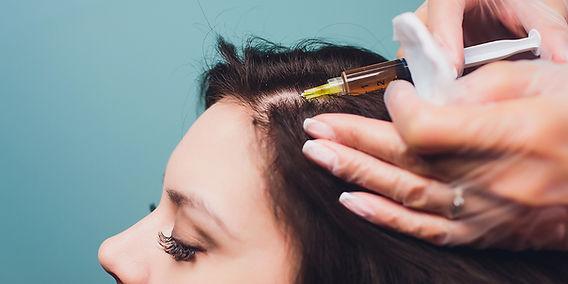
PRP Hair Treatment has gained significant attention as a non-surgical solution for hair thinning and hair loss. By using the patient’s own blood to stimulate natural hair growth, PRP provides a safe and minimally invasive approach to restoring hair density. For beginners, understanding how PRP works, what to expect, and who it benefits is key to making an informed decision about hair restoration.
What Is PRP Hair Treatment and How It Works:
PRP stands for Platelet-Rich Plasma, a component of blood rich in growth factors that aid tissue regeneration.
-
Blood is drawn from the patient and processed in a centrifuge to separate platelets from red blood cells
-
The concentrated plasma, loaded with growth factors, is injected into the scalp
-
These growth factors stimulate dormant hair follicles and improve blood supply to the scalp
-
The treatment aims to increase hair density and promote natural hair regrowth
PRP essentially uses your body’s own healing mechanisms to rejuvenate hair follicles and improve overall scalp health.
Who Can Benefit From PRP Hair Therapy:
PRP is ideal for people experiencing mild to moderate hair loss rather than complete baldness.
-
Individuals with early-stage androgenetic alopecia or thinning hair respond well
-
Healthy scalp tissue is necessary for optimal follicle activation
-
Those with hair loss due to stress, hormonal imbalance, or minor trauma may see improvement
-
Completely bald areas may not respond significantly to PRP injections
A consultation with a specialist ensures that PRP is suitable for your hair loss type and stage.
The Science Behind PRP and Hair Growth:
PRP stimulates hair growth by delivering essential growth factors directly to the follicles.
-
Platelet-Derived Growth Factor (PDGF) encourages follicle cell regeneration
-
Vascular Endothelial Growth Factor (VEGF) enhances blood supply to follicles
-
Epidermal Growth Factor (EGF) supports new hair shaft development
-
Combined, these factors reactivate dormant follicles and strengthen existing hair
This scientific approach is why PRP is increasingly recommended by hair specialists as a regenerative therapy.
The Step-by-Step PRP Procedure:
The procedure is straightforward and typically performed in a clinic setting.
-
Blood is drawn from the patient, usually 20–60 ml depending on the treatment area
-
A centrifuge separates platelets and plasma from other blood components
-
PRP is injected into the scalp using fine needles targeting thinning or affected areas
-
The entire session lasts about 30–60 minutes, depending on the scalp size
Minimal downtime allows patients to resume daily activities shortly after treatment.
Expected Timeline for Results:
Results from PRP Hair Treatment are gradual and require patience.
-
Initial improvement may be visible within 3–4 months
-
Maximum benefits typically appear after 6–12 months with multiple sessions
-
A series of 3–6 treatments spaced 4–6 weeks apart is commonly recommended
-
Maintenance treatments every 4–6 months help sustain hair density
Understanding this timeline is crucial for managing expectations and ensuring consistent follow-up.
Combining PRP With Other Hair Restoration Methods:
PRP can be enhanced when combined with other treatments for optimal results.
-
Topical Minoxidil and oral Finasteride can support follicle stimulation
-
Microneedling improves PRP absorption and scalp rejuvenation
-
Low-Level Laser Therapy (LLLT) boosts scalp circulation and hair health
-
Proper nutrition and supplementation can help strengthen hair follicles
A holistic approach often delivers faster and more visible improvements.
Safety and Potential Side Effects:
PRP Hair Treatment is generally safe since it uses the patient’s own blood.
-
Allergic reactions are extremely rare due to autologous material
-
Mild side effects may include redness, swelling, or tenderness at injection sites
-
Minor bruising can occur but usually resolves within a few days
-
Following post-treatment instructions minimizes the risk of infection or complications
The procedure is considered low-risk and suitable for most adults experiencing hair thinning.
Maintenance and Longevity of Results:
The results of PRP are not permanent but can be maintained with proper care.
-
Visible improvements typically last 12–18 months depending on age and genetics
-
Regular follow-up sessions help sustain hair growth and density
-
Healthy lifestyle habits, including balanced nutrition and scalp care, improve long-term outcomes
-
Combining PRP with complementary therapies can extend the duration of results
Consistency is key to maximizing the benefits of PRP Hair Treatment.
Common Misconceptions About PRP Hair Therapy:
There are several myths beginners should be aware of before starting treatment.
-
Myth: “PRP guarantees full hair restoration” – results vary depending on follicle health
-
Myth: “Hair growth is immediate” – visible improvement takes months
-
Myth: “PRP is experimental or unsafe” – it is widely studied and considered safe
-
Myth: “Anyone will see the same results” – genetics, age, and scalp condition influence outcomes
Clearing up these misconceptions helps set realistic expectations for patients considering PRP.
Final Thoughts
PRP Hair Treatment is a minimally invasive and scientifically-backed method for stimulating natural hair growth. By understanding how it works, who benefits most, and what to expect during and after treatment, beginners can approach PRP with confidence. Consulting with a qualified specialist ensures a personalized treatment plan, enhancing the chances of thicker, healthier hair. With patience, maintenance, and realistic expectations, PRP can be an effective solution for improving hair density and restoring self-confidence.

 Arabic
 French
 Spanish
 Portuguese
 Deutsch
 Turkish
 Dutch
Dutch
 Italiano
 Russian
 Romaian
 Portuguese (Brazil)
 Greek
Greek