


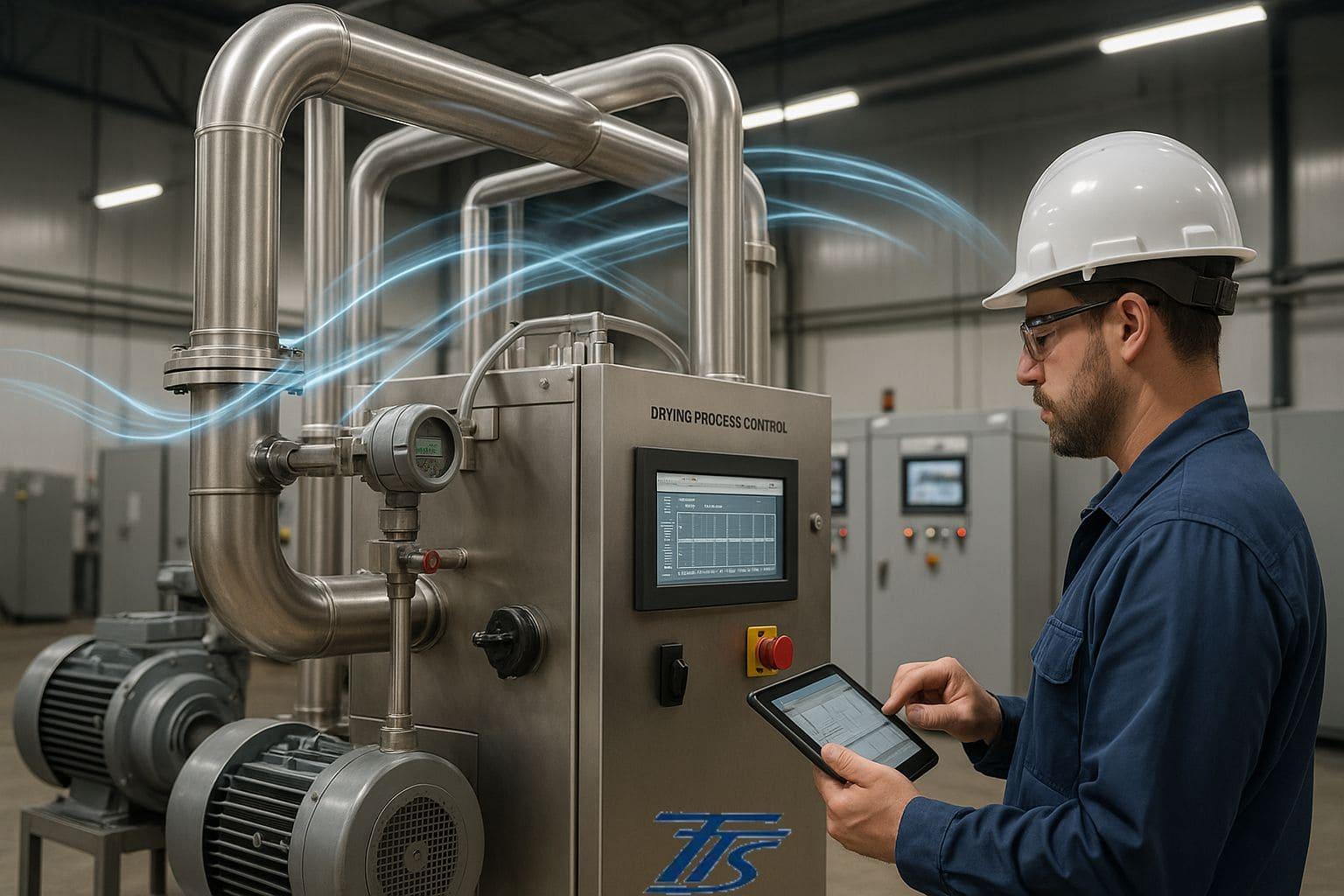
Compressed air is a critical utility in industrial operations, supporting production processes, automation systems, maintenance activities, and material handling across facilities. When compressed air supply is unstable or insufficient, it can disrupt workflows, reduce product quality, and cause unplanned downtime. Because air compressors operate continuously and consume significant energy, selecting the right equipment has long-term operational and financial implications. Used air compressors have become a practical option for industrial buyers seeking dependable performance, faster availability, and controlled capital investment without compromising reliability.
What Are Industrial Air Compressors?
Industrial air compressors are mechanical systems that convert electrical or mechanical energy into compressed air for use across manufacturing and processing environments. The compressed air produced is distributed through piping networks to power pneumatic tools, actuators, control valves, conveyors, packaging equipment, and instrumentation.
These systems are designed to deliver specific airflow volumes and pressure levels based on application requirements. Industrial compressors are typically integrated into centralized compressed air systems, supplying multiple machines or departments simultaneously. Reliability, duty cycle capability, and consistency are essential characteristics, as compressed air directly influences productivity and equipment performance.
Why Used Air Compressors Are a Smart Industrial Choice
Used air compressors offer a balanced approach between performance and cost efficiency. New industrial compressors often require high capital expenditure and extended lead times, particularly for larger capacities or specialized configurations. Used equipment allows facilities to acquire proven, industrial-grade compressors at a reduced upfront cost.
Industrial air compressors are generally engineered with heavy-duty components, conservative design margins, and long service life in mind. With proper maintenance, many compressors remain operational for decades. As a result, used air compressors frequently provide dependable performance comparable to new units, especially in applications where the equipment has been well maintained and properly sized.
Used compressors also provide operational flexibility. Facilities expanding capacity, replacing aging assets, or supporting short-term production increases can deploy used equipment more quickly, minimizing downtime and avoiding long procurement cycles.
Types and Variations of Industrial Air Compressors
Industrial air compressors are available in several designs, each suited to specific operating conditions and demand profiles.
Reciprocating air compressors use pistons to compress air and are commonly used for intermittent-duty applications. These compressors are often found in maintenance areas, workshops, or smaller production environments where compressed air demand fluctuates.
Rotary screw air compressors are widely used in industrial facilities with continuous or steady air demand. They deliver consistent airflow, operate efficiently under load, and are suitable for manufacturing plants, processing facilities, and automated production lines.
Centrifugal air compressors are typically used in large-scale industrial operations requiring high airflow volumes. These compressors are common in refineries, petrochemical plants, and large manufacturing complexes where centralized compressed air systems support extensive operations.
Compressors are also classified by lubrication method. Oil-flooded compressors are commonly used for general industrial applications, while oil-free compressors are selected for processes requiring clean air, such as food processing, pharmaceuticals, electronics manufacturing, and certain chemical operations.
Industries That Use Air Compressors
Air compressors are essential across a wide range of industries. Manufacturing facilities rely on compressed air to power tools, robotic systems, and production equipment. Chemical and petrochemical industries use compressed air for process control, instrumentation, and conveying applications.
Food and beverage operations depend on compressed air for packaging, conveying, and cleaning processes, often with strict air quality requirements. Pharmaceutical and electronics industries require reliable, contamination-free compressed air to meet quality and regulatory standards.
Automotive, metal fabrication, mining, construction materials, and energy industries also rely heavily on air compressors for production and maintenance operations. Warehousing and logistics facilities use compressed air to support packaging, palletizing, and automated material handling systems.
Key Benefits in Industrial Operations
Used air compressors contribute directly to operational stability and efficiency. A properly selected compressor ensures consistent airflow and pressure, reducing the risk of equipment malfunctions and production interruptions. Stable compressed air delivery also improves the performance and service life of downstream pneumatic tools and systems.
Cost control is another significant benefit. Used compressors reduce initial capital expenditure while still providing essential utility capacity. This allows facilities to allocate resources toward maintenance, energy optimization, or other process improvements.
When integrated correctly, used air compressors can also support predictable operating costs. Proper sizing, load management, and maintenance practices help maintain acceptable energy performance and system efficiency.
Buying Considerations for Used Air Compressors
Selecting a used air compressor requires careful evaluation of operational requirements and equipment condition. Buyers should assess airflow demand, operating pressure, duty cycle, and air quality requirements to ensure the compressor aligns with process needs. Improper sizing can result in inefficiencies, increased wear, and higher operating costs.
Equipment condition is critical. Key components such as the air end, motor, bearings, seals, cooling system, and control panel should be inspected for wear and remaining service life. Maintenance records, operating hours, and service history provide valuable insight into reliability and expected performance.
Electrical compatibility and power availability should be reviewed to ensure smooth installation. Integration with existing control systems and compressed air infrastructure is also important, particularly in automated or centrally monitored facilities.
Environmental conditions such as ambient temperature, dust levels, and humidity should be considered, as they directly affect compressor performance and longevity.
Maintenance and Longevity Best Practices
Effective maintenance is essential to maximize the service life of used air compressors. Routine inspection, lubrication, and timely replacement of filters help maintain performance and prevent unexpected failures. Cooling systems should be kept clean to avoid overheating and reduced efficiency.
Moisture management is particularly important in compressed air systems. Proper drainage, air drying, and filtration protect downstream equipment and reduce corrosion within the system. For oil-lubricated compressors, regular monitoring of oil quality and levels is critical.
Control systems and safety devices should be tested periodically to ensure reliable operation. Operator training also plays a key role in longevity, as correct startup, shutdown, and load management practices reduce mechanical stress and energy waste.
A structured preventive maintenance program improves uptime, extends equipment life, and supports predictable operating costs.
Conclusion
Used air compressors provide a reliable and cost-effective solution for industrial facilities that depend on consistent compressed air supply. When selected with attention to application requirements, equipment condition, and system integration, used compressors can deliver dependable performance across a wide range of industrial environments. Supported by disciplined maintenance and proper operation, used air compressors remain a valuable asset in maintaining productivity, efficiency, and operational stability.

 English
 Arabic
 French
 Spanish
 Portuguese
 Deutsch
 Turkish
 Dutch
Dutch
 Italiano
 Romaian
 Portuguese (Brazil)
 Greek
Greek