


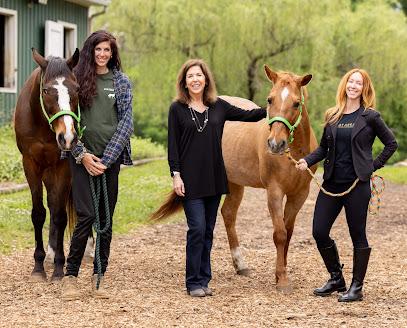
Starting therapy can feel like an important yet emotional decision. Many people hesitate because they are unsure where to begin or whether therapy will feel comfortable. Two approaches that offer a supportive start are animal assisted psychotherapy and therapy consultation. These experiences work together to make mental health support more personal, compassionate, and easier to approach.
What Is a Therapy Consultation?
A therapy consultation is usually the first step in starting mental health care. It is a short, structured meeting often 15 to 30 minutes that allows you and a therapist to get to know each other before therapy sessions truly begin. Think of it as a friendly, no pressure introduction that helps you decide whether this therapist and approach feel right for you.
During a consultation, you share what is bringing you to therapy, such as stress, anxiety, grief, relationship difficulties, or trauma. The therapist explains their approach, training, and areas of focus. You can ask questions about their experience, session structure, payment options, and confidentiality. This helps you make an informed choice rather than stepping into therapy blindly.
A good therapy consultation leaves you feeling heard and more confident about your next steps. It also gives the therapist a sense of your needs so they can recommend a style of care that fits your goals.
What Is Animal Assisted Psychotherapy?
Animal assisted psychotherapy is a form of therapy that brings trained animals into the healing process. These animals often dogs or horses are specially trained to work in therapeutic settings. The therapist uses interactions with the animal to help clients build trust, calm anxiety, and practice emotional regulation.
In animal assisted psychotherapy, the focus goes beyond simply spending time with animals. You work actively with both therapist and animal to explore emotions, behaviors, and relationships. The animal’s natural sensitivity to human emotions allows for immediate, nonjudgmental feedback, which often helps clients feel seen and safe.
For example, a person who struggles with boundaries might notice how a therapy dog or horse responds when they step too close or act anxiously. Through guided reflection, the therapist helps the client connect that moment to patterns in their personal life. Over time, clients learn new ways to manage stress and build healthier connections—with themselves and others.
How Does Animal Assisted Psychotherapy Help?
The healing bond between humans and animals can have both emotional and physical benefits. Research shows that being around animals can lower blood pressure, decrease stress hormones, and increase oxytocin (a hormone linked to feelings of connection). These effects can make therapy sessions feel more comfortable and grounded.
Here are a few key benefits of animal assisted psychotherapy:
-
Reduces anxiety and promotes relaxation. Animals create a calming environment that encourages clients to open up naturally.
-
Improves emotional regulation. Interacting with animals helps clients recognize feelings like fear, frustration, or joy and learn to manage them.
-
Builds trust and empathy. Animals respond honestly to tone, movement, and energy, teaching clients how communication works beyond words.
-
Encourages mindfulness. Focusing on the animal’s presence keeps clients in the moment, reducing overthinking or rumination.
This type of therapy is especially supportive for people who feel disconnected, guarded, or overwhelmed by traditional talk therapy. Children, teens, or trauma survivors often find the presence of an animal comforting and healing.
How Therapy Consultation Supports This Journey
Before beginning therapy, a consultation can make all the difference especially for someone considering animal assisted psychotherapy. During a therapy consultation, you can ask whether the therapist offers this approach, discuss any fears or allergies you might have, and learn how animals are involved in sessions.
Many people choose to attend a consultation first to understand what to expect. The therapist may describe where sessions happen (indoors or outdoors), how animals participate, and how safety is ensured. This conversation helps you decide whether the approach aligns with your comfort and goals.
For those who choose to move forward, the therapist uses what they learned during consultation to develop a customized plan—balancing talk therapy, experiential work with animals, or other evidence based methods depending on need.
Two Helpful Lists to Guide You
Questions to Ask During a Therapy Consultation
-
What experience or training do you have in animal assisted psychotherapy?
-
What kinds of animals do you work with, and how are they trained?
-
How is safety maintained for both clients and animals?
-
What would a typical session look like?
-
How long does therapy usually last, and how do we measure progress?
-
What kind of clients tend to benefit most from animal assisted psychotherapy?
Key Things to Consider Before Starting
-
Your comfort level around animals and any allergies or fears.
-
The main concerns or goals that bring you to therapy.
-
Any past therapy experiences—what worked and what did not.
-
Accessibility factors, such as location, transportation, or scheduling.
-
How you feel about working outdoors or in different environments.
-
Financial and time commitment for consistent sessions.
Being prepared with these questions and reflections ensures that your therapy consultation or intake leads to a comfortable, well informed decision.
Ethics, Safety, and Best Practices
Ethical animal assisted psychotherapy protects both client and animal. Therapy animals are screened for temperament and trained to remain calm in therapy settings. They receive regular health checkups and have limited schedules to prevent stress or fatigue. The therapist ensures all activities are supervised and appropriate for the client’s emotional readiness.
Clients are never forced to interact with animals beyond their comfort level. Some sessions might involve observing the animal’s behavior rather than touching or directing them. Respect goes both ways: care for the animal mirrors the compassion and boundaries modeled in therapy.
Meanwhile, therapists follow professional guidelines that emphasize trauma informed care. This means pacing sessions carefully, respecting consent, and helping clients feel in control at all times.
Who Can Benefit from This Approach?
Animal assisted psychotherapy can support individuals across many backgrounds and ages. It is often helpful for:
-
Children and teens experiencing behavioral challenges, anxiety, or emotional regulation difficulties.
-
Adults dealing with stress, grief, or trauma who find comfort in nonverbal connection.
-
Couples and families who want to rebuild communication or trust in a supported environment.
-
People recovering from trauma who need gentle, physical grounding experiences to restore safety in their bodies.
Not every client needs or wants animals in therapy, but for those who connect naturally with them, these sessions can accelerate emotional insight and healing.
Why Combining Therapy Consultation and Animal Assisted Psychotherapy Works
A therapy consultation provides structure and dialogue at the very start of treatment, while animal assisted psychotherapy adds comfort, presence, and experiential learning along the journey. Together, they help clients take the first step into therapy with less fear and more curiosity.
For instance, someone who feels anxious about talking might test the waters with a consultation before committing to full sessions. Once they begin animal assisted psychotherapy, the animal’s calm presence can reduce self conscious tension and make it easier to speak openly. That balanced combination of preparation and compassion makes therapy more effective.
Moving Forward: Taking the First Step
Beginning mental health treatment can feel intimidating, but therapy consultation and animal assisted psychotherapy are designed to ease that transition. The consultation ensures the therapist understands your needs and gives you the chance to ask questions, while animal assisted psychotherapy brings a living sense of warmth and connection into the process.
Whether you choose to start with a phone consultation or an in person meeting, this first step marks the beginning of genuine healing. With the guidance of a trained therapist and the quiet support of a compassionate animal partner, many people find a sense of peace, safety, and new possibility they did not know was within reach.

 Arabic
 French
 Spanish
 Portuguese
 Deutsch
 Turkish
 Dutch
Dutch
 Italiano
 Russian
 Romaian
 Portuguese (Brazil)
 Greek
Greek