


Managing blood sugar levels is essential for people living with type 2 diabetes, and new treatment options continue to evolve to make this easier and more effective. Among these options, Ozempic injections have gained significant attention for their role in not only controlling blood sugar but also supporting weight management and reducing related health risks. In this blog, we’ll explore how ozempic injection function, the science behind their effectiveness, what patients can expect, and important considerations when using this medication.
What Are Ozempic Injections?
Ozempic is the brand name for a medication called semaglutide, which belongs to a class of drugs known as GLP-1 receptor agonists. These injections are designed to help regulate blood sugar levels in adults with type 2 diabetes by mimicking a natural hormone in the body. This hormone plays a crucial role in insulin secretion, appetite control, and glucose metabolism.
When a person administers Ozempic injections, the medication stimulates the pancreas to release insulin when blood sugar levels rise. Insulin is necessary to keep blood sugar within a healthy range. Additionally, Ozempic slows down stomach emptying, making patients feel full longer and hence reducing overeating, which often contributes to high blood sugar and weight gain.
How Do Ozempic Injections Lower Blood Sugar?
When injected weekly, Ozempic enhances the body’s ability to respond to glucose. It achieves this through several mechanisms:
-
Stimulating insulin secretion: Ozempic triggers the release of insulin in response to elevated glucose.
-
Suppressing glucagon levels: Glucagon is a hormone that raises blood sugar by signaling the liver to release stored glucose. Ozempic reduces glucagon secretion when it's not needed.
-
Slowing gastric emptying: Delays digestion and absorption of sugars, helping prevent blood sugar spikes after meals.
-
Reducing appetite: Patients often experience reduced calorie intake, indirectly improving blood sugar control.
These synergistic effects improve overall glycemic control without causing dangerously low sugar levels (hypoglycemia) when used alone or with other medications.
Who Should Consider Ozempic Injections?
Ozempic injections are primarily prescribed for adults with type 2 diabetes who need better blood sugar management alongside lifestyle changes such as diet and exercise. It is not insulin and should not be used by people with type 1 diabetes or for treating diabetic ketoacidosis.
People who struggle with weight management and blood sugar fluctuations despite oral medications may find Ozempic injections a beneficial addition to their treatment plan. The medication has also been shown to lower risks related to heart disease, which is a common complication in diabetes.
The Science Behind Ozempic’s Effectiveness
Ozempic mimics the naturally occurring hormone GLP-1, found in the intestines. This hormone facilitates communication between the gut and the pancreas to regulate blood sugar levels effectively. By acting like GLP-1, Ozempic helps the body correct imbalances caused by insulin resistance — a hallmark of type 2 diabetes.
Clinical trials have demonstrated that consistent use of Ozempic injections can result in noticeable HbA1c reductions (a key blood sugar marker) and significant weight loss over time. Patients often report feeling better overall, with improved energy and fewer blood sugar-related symptoms.
What to Expect During Ozempic Injection Treatment?
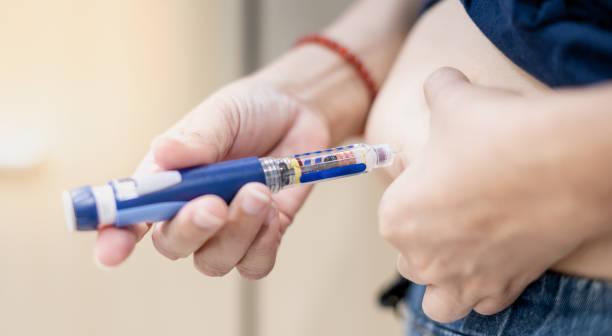
The treatment involves a once-weekly injection administered under the skin, usually in the thigh, abdomen, or upper arm. The injection pen is user-friendly and designed for easy self-administration at home.
Some patients may experience mild side effects initially, such as nausea, vomiting, or diarrhea, which usually decrease as the body adjusts. Staying hydrated and eating smaller, balanced meals can help alleviate these symptoms.
Doctors typically start patients on a lower dose to build tolerance, then gradually increase it to an effective maintenance dose. Regular blood sugar monitoring is essential to track progress and adjust treatment if needed.
Lifestyle Tips That Complement Ozempic Injections in Riyadh
Using Ozempic injections alone is effective, but combining the medication with healthy lifestyle habits enhances results. Here are practical tips:
-
Follow a balanced diet rich in fiber, whole grains, and lean proteins.
-
Engage in regular physical activity, such as walking, swimming, or cycling.
-
Stay hydrated and maintain a consistent meal schedule to avoid blood sugar spikes.
-
Avoid sugary drinks and processed foods that can undermine treatment benefits.
-
Monitor blood sugar levels regularly and keep records for your healthcare provider.
By incorporating these habits, patients can maximize the positive impact of Ozempic injections and promote long-term health.
Safety Precautions and Who Should Avoid Ozempic
While Ozempic injections offer many benefits, they may not be suitable for everyone. People with a history of medullary thyroid carcinoma, pancreatitis, or severe gastrointestinal disease should avoid using Ozempic.
Pregnant or breastfeeding women should consult a doctor before starting this treatment, as research on safety in these groups is limited.
Always inform your healthcare provider about other medications you take to prevent harmful drug interactions.
Book Your Consultation for Ozempic Injections in Riyadh
If you’re interested in learning whether Ozempic injections are right for you, it’s important to seek professional medical advice. Clinics like Enfield Royal Riyadh offer expert consultations to discuss your condition, medical history, and treatment options.
Booking a personalized appointment helps ensure that you receive comprehensive guidance on how Ozempic injections can fit into your diabetes management plan safely and effectively.
Frequently Asked Questions
How soon after starting Ozempic injections can I expect to see results?
Patients typically notice improvements in blood sugar levels within the first few weeks. However, optimal results usually appear after consistent use for several months combined with healthy lifestyle changes.
Are Ozempic injections painful?
Most users report little to no pain when administering the injection as the pens are designed to be minimally invasive. Any discomfort is generally brief and mild.
Can Ozempic injections be taken with other diabetes medications?
Yes, Ozempic is often used alongside other diabetes treatments but always under medical supervision to avoid interactions and hypoglycemia risk.
Can Ozempic help with weight loss even if I don’t have diabetes?
While weight loss can happen, Ozempic is FDA-approved specifically for type 2 diabetes treatment. Its use for weight management alone should only be under medical advice.
What are the most common side effects of Ozempic injections?
Nausea, vomiting, diarrhea, and constipation are common during early treatment stages, often resolving with time. Serious side effects are rare but should be reported to a healthcare professional immediately.

 Arabic
 French
 Spanish
 Portuguese
 Deutsch
 Turkish
 Dutch
Dutch
 Italiano
 Russian
 Romaian
 Portuguese (Brazil)
 Greek
Greek