


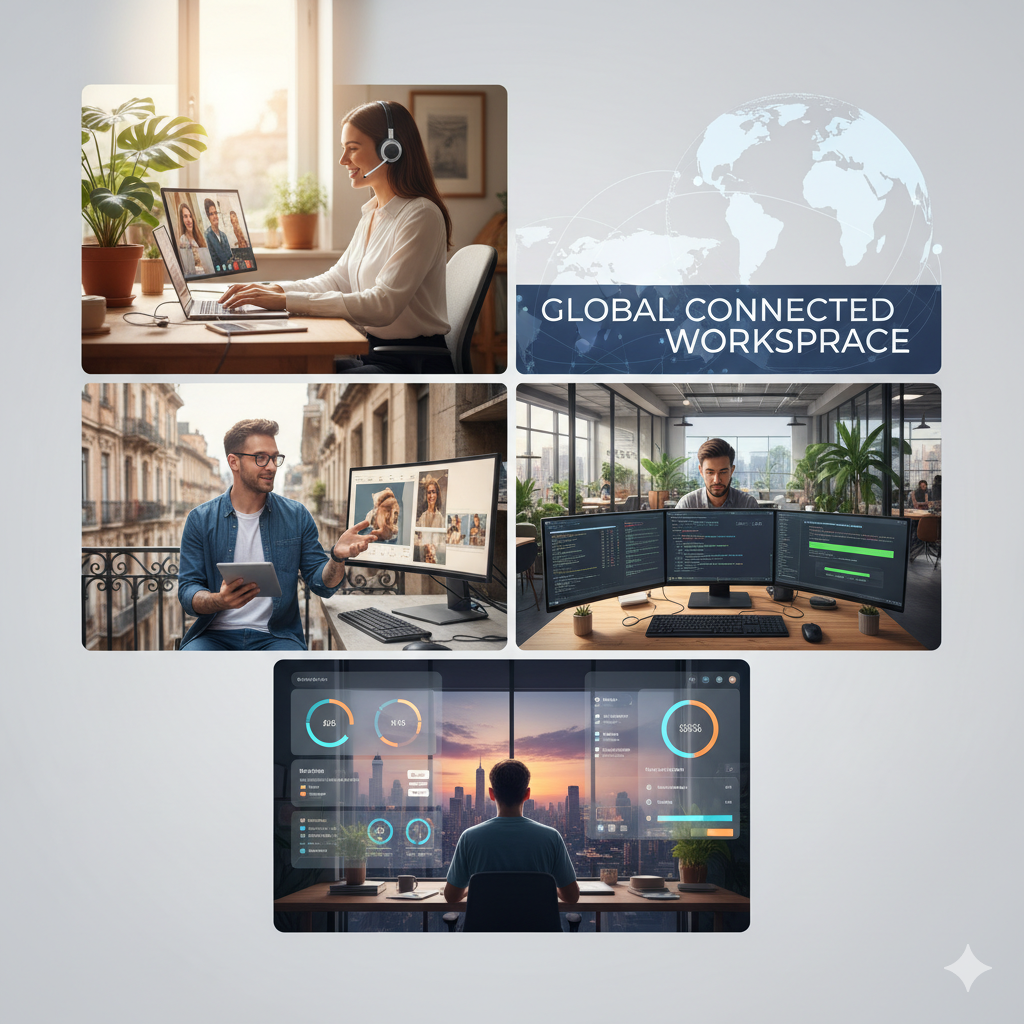
Time tracking software has evolved far beyond basic timesheets. As work becomes more flexible, distributed, and digital, the tools we use to manage time and productivity are transforming too. In 2025, time-tracking platforms are smarter, more automated, and more employee-centric than ever. Below are the major trends shaping the future of time-tracking technology.
🌐 Cloud-Native and Mobile-First Systems
Remote and hybrid work pushed time-tracking tools into the cloud, and in 2025, cloud-native platforms dominate.
-
Employees can track time from anywhere — office, home, or mobile devices.
-
Cloud systems sync in real time, ensuring accurate and consistent data.
-
Companies benefit from easy scalability, lower maintenance costs, and strong data security.
The takeaway: time-tracking is no longer tied to a physical workplace — it lives wherever work happens.
🤖 AI, Automation & Predictive Analytics
Artificial intelligence has become a central driver of innovation in time-tracking tools.
-
Automatic time capture replaces manual logging by identifying work patterns and detecting activity.
-
AI now creates smart timesheets, reducing human error and saving hours of administrative work.
-
Predictive analytics help teams forecast project timelines, identify bottlenecks, and optimize workloads.
-
Some platforms include AI assistants that generate reports, summarize weekly activity, or help onboard workers.
In short: AI is shifting time tracking from basic recording to intelligent decision support.
🔗 Deep Integrations and Unified Workflows
Businesses want tools that work together — not in isolation. Modern time-tracking software integrates seamlessly with:
-
Project management tools
-
Payroll and HR systems
-
CRM and billing platforms
-
Communication and scheduling apps
These integrations eliminate redundant data entry and give organizations a unified view of productivity, costs, and project health.
The result: time tracking becomes a core part of the workflow ecosystem, not an isolated tool.
🛡️ Privacy-Focused and Employee-Centric Tracking
As tracking features grow more advanced, so do concerns about privacy and ethics. The future of time tracking emphasizes:
-
Less intrusive monitoring — fewer screenshots, no keystroke logging, and more trust-based models.
-
Built-in compliance with overtime rules, rest breaks, and labor regulations.
-
Features that support well-being, like fatigue warnings or insights into workload balance.
Trend direction: ethical and transparent tracking that supports both managers and employees.
🌱 Emerging Innovations: Wearables, Voice Commands & Sustainability
Some more forward-thinking trends are beginning to appear:
-
Wearable integrations allow workers, especially in field roles, to log time via smartwatches.
-
Voice-enabled time logging helps workers in hands-on environments track time without stopping their tasks.
-
Sustainability dashboards tie time tracking into ESG metrics, highlighting commuting reductions and remote-work energy savings.
While not mainstream yet, these innovations point to a more connected and environmentally conscious future.
🎯 What These Trends Mean for Businesses in 2025
-
Better data leads to better decisions about resources and scheduling.
-
Remote and global teams can collaborate more smoothly without micromanagement.
-
Automation cuts down on administrative tasks, saving time and reducing errors.
-
Modern tools help build healthier work environments by preventing burnout.
Time tracking is becoming a strategic asset rather than a simple clerical need.
🧭 Challenges to Keep an Eye On
Even with these advancements, businesses must navigate:
-
Balancing privacy with productivity tracking
-
Avoiding over-reliance on AI for subjective work
-
Ensuring employee buy-in and proper onboarding
-
Managing compliance across different regions and regulations
Adopting new tools requires thoughtful planning, transparency, and communication.
✅ Conclusion
The future of time-tracking software is intelligent, integrated, and human-centered. In 2025, the best tools do more than record time — they enhance decision-making, improve efficiency, support compliance, and promote healthier work habits.
Companies that embrace these trends will boost productivity, strengthen team trust, and stay ahead in a constantly evolving digital workplace.

 English
 Arabic
 French
 Spanish
 Portuguese
 Deutsch
 Turkish
 Dutch
Dutch
 Italiano
 Russian
 Romaian
 Greek
Greek