


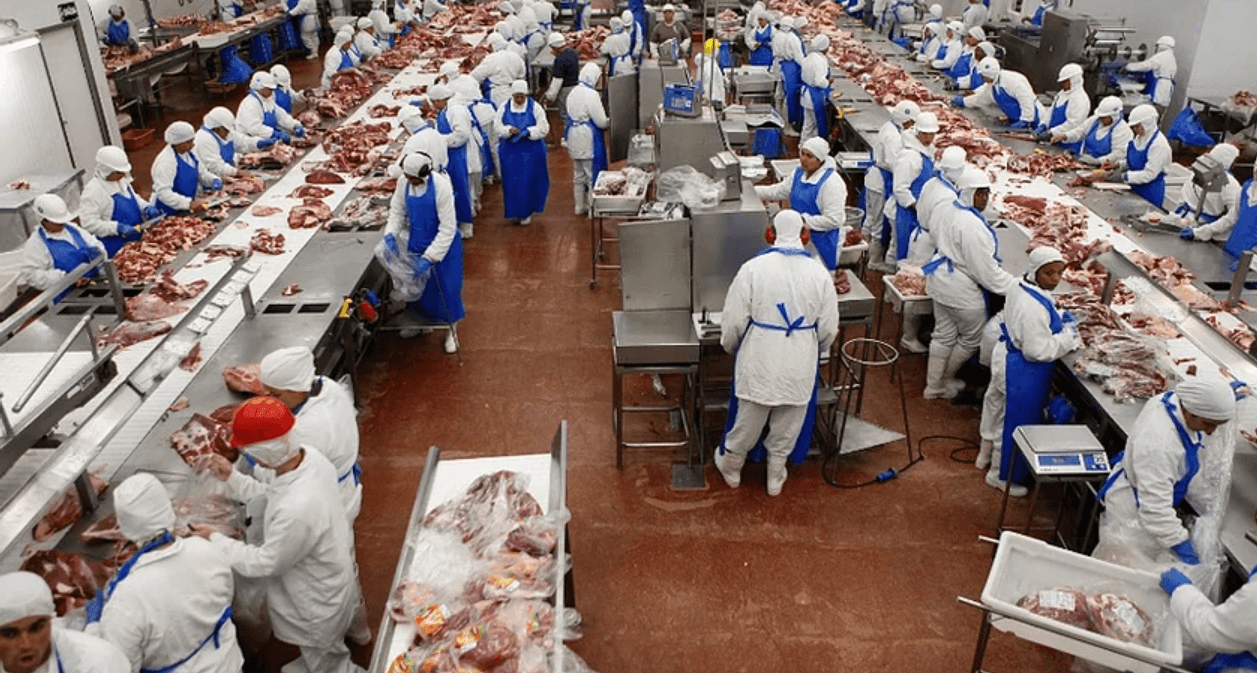
The frozen food industry is undergoing a technological transformation, and cold-chain logistics are at the heart of this evolution. As consumer demand for frozen poultry, seafood, meat, and ready-to-eat meals rises, businesses must adopt smarter, more efficient systems to ensure food safety, freshness, and reliability. By 2025, advances in cold-chain technology will not only streamline operations but also create new opportunities for retailers, foodservice providers, and exporters worldwide.
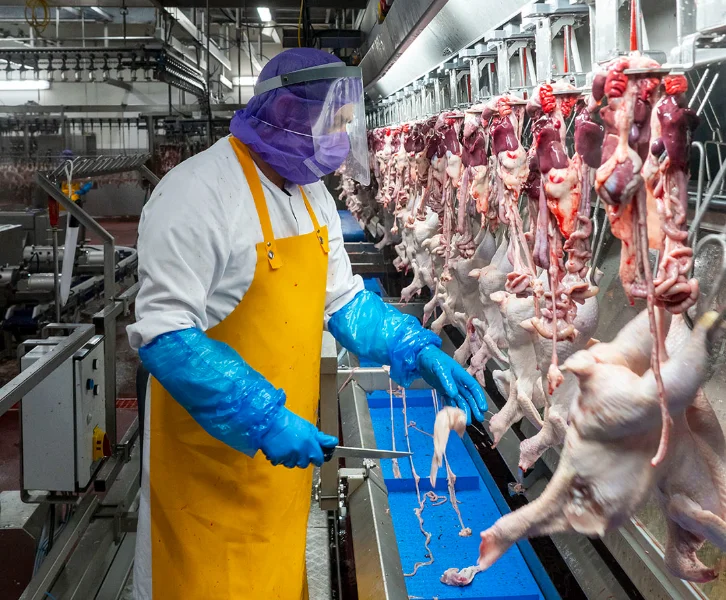
1. Why Cold-Chain Technology Matters More Than Ever
Cold-chain logistics ensure that frozen products—ranging from poultry and beef to seafood and prepared meals—are stored and transported at the right temperature to maintain quality. Key reasons it’s critical:
-
Food Safety Compliance: Prevents spoilage and bacterial growth.
-
Nutritional Retention: Maintains the nutritional integrity of frozen foods.
-
Global Trade Expansion: Enables reliable international exports.
-
Reduced Waste: Minimizes losses due to improper storage or handling.
For companies like Brazil Poultry Exports, investing in smarter cold-chain solutions is essential to supplying high-quality frozen proteins worldwide.
2. Emerging Technologies Transforming Cold-Chain Logistics
Several technological innovations are driving the future of frozen logistics:
a. IoT-Enabled Temperature Monitoring
Internet of Things (IoT) sensors provide real-time temperature tracking during storage and transit, allowing instant alerts if conditions deviate from standards.
b. Smart Packaging
Advanced insulation, vacuum sealing, and phase-change materials help maintain optimal temperatures while reducing energy consumption.
c. AI & Predictive Analytics
Artificial intelligence predicts potential delays, identifies risk points in the supply chain, and optimizes routes for faster, more efficient delivery.
d. Blockchain for Traceability
Blockchain ensures transparency, allowing retailers and consumers to track frozen products from farm to table, enhancing trust in food safety and quality.
e. Sustainable Energy Solutions
Energy-efficient refrigeration and eco-friendly packaging reduce the carbon footprint, meeting growing sustainability requirements.
3. Opportunities for Retailers in 2025
Retailers can benefit significantly from smarter cold-chain systems:
-
Expanded Product Range: Reliable storage allows year-round availability of frozen poultry, seafood, and ready-to-eat meals.
-
Reduced Losses: Real-time monitoring decreases waste, improving profitability.
-
Consumer Confidence: Transparent supply chains boost trust in product safety and quality.
-
E-Commerce Integration: Optimized cold chains facilitate frozen food delivery services and subscription meal kits.
4. Opportunities for Foodservice Providers
Foodservice operators—from restaurants to institutional kitchens—are also seeing advantages:
-
Consistency & Portion Control: Frozen protein products arrive at the right temperature, ready to cook or serve.
-
Operational Efficiency: Reduced reliance on fresh-only deliveries, improving kitchen planning.
-
Menu Flexibility: Chefs can incorporate a variety of proteins, including poultry, beef, and seafood, without supply constraints.
-
Compliance & Safety: Automated cold-chain systems simplify adherence to food safety regulations.
5. Global Trends Driving Smarter Cold Chains
Several global forces are accelerating adoption of advanced cold-chain solutions:
-
Rising Frozen Food Demand: Increased consumption of frozen poultry, seafood, and prepared meals.
-
International Trade Growth: Expanding global exports require secure, temperature-controlled shipping.
-
Food Safety Regulations: Governments and industry standards are increasingly strict.
-
Sustainability Goals: Reduced energy consumption and emissions are now essential for competitive suppliers.
6. Brazil’s Role in Advanced Frozen Logistics
Brazil has become a leader in frozen poultry and protein exports, leveraging cutting-edge cold-chain logistics to meet global demand. Companies like Brazil Poultry Exports integrate smart monitoring systems, predictive analytics, and sustainable packaging to ensure:
-
Safe delivery of frozen chicken, beef, and other proteins.
-
Compliance with halal and international certifications.
-
Reliable supply for wholesalers, retailers, and foodservice operators worldwide.
By adopting smarter cold-chain technology, Brazilian exporters can maintain high-quality, competitive, and sustainable protein supply chains for international markets.
Conclusion
The future of frozen logistics lies in smarter, technology-driven cold chains. By 2025, IoT monitoring, AI optimization, blockchain traceability, and sustainable refrigeration will redefine how frozen foods are stored and transported globally. Retailers, foodservice providers, and exporters who embrace these innovations will gain a competitive advantage—offering safe, high-quality, and reliable frozen protein products to consumers everywhere.
For businesses looking to secure premium frozen poultry, seafood, and other proteins with reliable cold-chain logistics, visit Brazil Poultry Exports to explore trusted supply solutions.

 English
 Arabic
 French
 Spanish
 Portuguese
 Turkish
 Dutch
Dutch
 Italiano
 Russian
 Romaian
 Portuguese (Brazil)
 Greek
Greek