


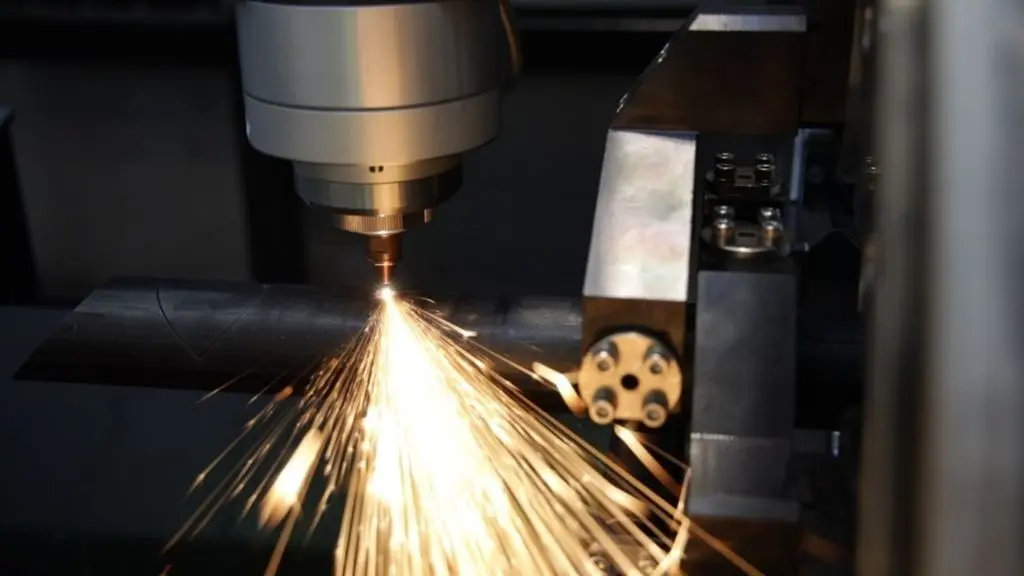
Laser tube cutting has revolutionized the way manufacturers work with metal tubes and pipes. This technology provides precision, efficiency, and flexibility that traditional cutting methods cannot match. In industries like automotive, construction, aerospace, and industrial fabrication, tube laser cutting has become a standard for achieving accurate and complex designs.
This blog explores the fundamentals of laser tube cutting, its applications, and how manufacturers can benefit from both basic and advanced cutting techniques.
What is Laser Tube Cutting?
Laser tube cutting is a process that uses a high-powered laser to cut or engrave hollow metal profiles. Unlike conventional mechanical cutting methods, laser tube cutting allows for precise, clean edges and complex geometries.
Key advantages include:
-
High precision with minimal tolerances
-
Ability to cut various metals including stainless steel, aluminum, and titanium
-
Minimal thermal distortion or material deformation
-
Reduced need for secondary finishing
This makes tube laser cutting ideal for industries that demand tight tolerances and intricate designs.
Basic Cuts with Tube Laser Cutting
Basic tube laser cutting typically involves straight cuts, simple angles, and standard shapes. This is often used in applications like:
-
Structural frames: Cutting metal tubes for building supports or automotive chassis.
-
Pipe fabrication: Preparing pipes for plumbing, HVAC, or industrial use.
-
Simple bracket and connector manufacturing: Producing basic components that require straight or angled cuts.
Even at this level, laser tube cutting offers benefits over traditional methods: higher accuracy, reduced waste, and faster production.
Advanced Tube Laser Cutting Techniques
Beyond basic cuts, tube laser cutting machines can handle complex shapes and intricate designs. Some advanced capabilities include:
-
Multi-dimensional cuts: Cutting tubes at multiple angles in a single pass.
-
Notching and hole punching: Creating joints and attachment points without additional welding or machining.
-
3D profiling: Producing bent or contoured tubes with precise geometry.
-
Engraving and marking: Adding logos, serial numbers, or part labels directly onto the tube.
These advanced techniques make tube laser cutting highly versatile, suitable for custom components, prototypes, and specialized industrial applications.
Applications of Tube Laser Cutting Across Industries
Laser tube cutting is not limited to one industry; it has broad applications, including:
1. Automotive Industry
-
Cutting frames, exhaust systems, suspension components, and roll cages.
-
Supports lightweight designs using aluminum and high-strength steel.
-
Enables complex bends and joints with high accuracy.
2. Aerospace and Aviation
-
Fabricating tubular components for aircraft frames and landing gear.
-
Precision cuts ensure structural integrity and safety.
-
Reduces material waste in expensive aerospace metals.
3. Construction and Architecture
-
Producing metal frameworks for buildings, bridges, and railings.
-
Allows for intricate architectural designs with angled or curved tubes.
4. Industrial Equipment
-
Creating machine frames, conveyor systems, and custom piping.
-
Supports prototyping and small-batch production with precision.
5. Furniture and Design
-
Producing lightweight, strong furniture frames.
-
Enables decorative patterns or engraved designs for high-end applications.
Benefits of Tube Laser Cutting
Manufacturers choose tube laser cutting for several reasons:
-
Precision: Achieves cuts with tolerances often within ±0.1 mm.
-
Flexibility: Works with multiple tube diameters and wall thicknesses.
-
Speed: Faster production compared to manual or mechanical cutting.
-
Material Efficiency: Minimizes waste and maximizes tube usage.
-
Safety: Reduces human involvement and exposure to sharp edges or sparks.
-
Integration: Compatible with CAD/CAM systems for automated, repeatable production.
These advantages make laser tube cutting a highly cost-effective and reliable solution for modern manufacturing.
Choosing the Right Tube Laser Cutting System
When selecting a tube laser cutting machine, consider:
-
Material compatibility: Ensure the system can handle metals you commonly use.
-
Tube dimensions: Maximum diameter, wall thickness, and length capacity.
-
Software integration: CAD/CAM compatibility for automated workflows.
-
Speed and precision: Evaluate based on production requirements.
-
Maintenance and support: Access to technical assistance ensures minimal downtime.
A carefully chosen tube laser cutting system can drastically improve efficiency and output quality across various applications.
Future of Tube Laser Cutting
The future of tube laser cutting is tied to advanced manufacturing technologies:
-
Automation: Fully automated systems for higher throughput.
-
AI and predictive maintenance: Machines that self-adjust and prevent breakdowns.
-
Sustainability: Reducing scrap and energy consumption.
-
Customization: Producing small-batch, high-precision components for niche markets.
By embracing these trends, manufacturers can stay ahead in competitive markets while maintaining high-quality production standards.
Conclusion
Tube laser cutting is transforming the way manufacturers approach metal fabrication. From basic straight cuts to advanced multi-dimensional and engraved designs, this technology provides precision, speed, and efficiency that traditional cutting methods cannot match.
Whether it’s for automotive, aerospace, construction, or industrial applications, tube laser cutting ensures high-quality results, reduces waste, and supports innovative designs.
For any manufacturer looking to stay competitive in 2026, investing in tube laser cutting technology is a step toward greater productivity, reliability, and versatility.

 Arabic
 French
 Spanish
 Portuguese
 Deutsch
 Turkish
 Dutch
Dutch
 Italiano
 Russian
 Romaian
 Portuguese (Brazil)
 Greek
Greek