


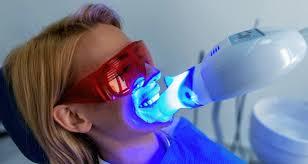
A bright, white smile is one of the most sought-after cosmetic enhancements, yet many people remain curious about how teeth whitening in dubai actually works. Whether using professional dental treatments, at-home kits, or natural remedies, the process involves more than just superficial scrubbing—it is rooted in chemistry, enamel biology, and stain science. Understanding the science behind teeth whitening can help you make informed decisions, choose the most effective treatments, and maintain long-lasting results safely.
This comprehensive guide breaks down the mechanisms of teeth whitening, the types of stains, how whitening agents work, and the factors that influence effectiveness.
Why Teeth Change Color
To understand whitening, it’s important first to know why teeth lose their brightness. Teeth discoloration can be classified into two main types:
Extrinsic Stains
-
Occur on the surface of teeth.
-
Caused by foods and drinks like coffee, tea, red wine, cola, and berries.
-
Smoking and tobacco use can also deposit pigments on the enamel.
-
Usually easier to remove than intrinsic stains because they are superficial.
Intrinsic Stains
-
Form within the enamel or dentin layers.
-
Can result from aging, trauma, excessive fluoride, or certain medications like tetracycline.
-
Harder to remove, often requiring professional or advanced whitening treatments.
Both types of discoloration are influenced by enamel thickness, oral hygiene habits, and genetics.
Tooth Anatomy and Whitening
Teeth consist of three primary layers:
-
Enamel: The hard, outer surface that protects teeth. It is semi-translucent and shows underlying color.
-
Dentin: The layer beneath enamel, naturally yellowish, which influences overall tooth color.
-
Pulp: The innermost layer containing nerves and blood vessels.
Whitening treatments primarily target enamel and sometimes superficial dentin discoloration. The translucency of enamel means that even small improvements in stain removal can have a noticeable effect on the perceived color of teeth.
How Whitening Agents Work
The primary active agents in teeth whitening are hydrogen peroxide and carbamide peroxide. Understanding their chemistry explains how they remove stains.
Hydrogen Peroxide
-
Acts as a bleaching agent by breaking down chromogens—molecules that cause discoloration.
-
Releases free radicals and oxygen molecules, which penetrate enamel and dentin.
-
These molecules react with pigmented compounds, breaking the chemical bonds that create visible stains.
Carbamide Peroxide
-
A compound that breaks down into hydrogen peroxide and urea when applied.
-
Provides a slower, controlled release of hydrogen peroxide, making it suitable for take-home whitening treatments.
-
Gradual action reduces the risk of sensitivity while still effectively removing stains.
Both agents rely on oxidation—a chemical reaction that neutralizes the color-causing molecules without physically scraping the enamel.
Methods of Delivering Whitening Agents
Whitening agents can be applied in various ways, depending on the desired results, speed, and professional supervision:
Professional In-Office Whitening
-
High-concentration peroxide gel applied by a dentist.
-
Often paired with laser or LED light to accelerate chemical reactions.
-
Provides immediate, noticeable results by penetrating enamel and dentin rapidly.
Dentist-Supervised Take-Home Trays
-
Custom-fitted trays hold peroxide gel against the teeth.
-
Lower concentrations of peroxide allow gradual whitening over days or weeks.
-
Minimizes sensitivity while offering controlled, even results.
Over-the-Counter Products
-
Whitening strips, gels, or toothpastes contain lower concentrations of peroxide or abrasive agents.
-
Effective primarily on extrinsic stains and require consistent application over weeks.
Natural or DIY Methods
-
Ingredients like baking soda, activated charcoal, or hydrogen-peroxide-based rinses may remove surface stains.
-
Limited scientific evidence supports their effectiveness for deeper stains.
Factors Affecting Whitening Effectiveness
Several biological and lifestyle factors influence how well whitening treatments work:
-
Type of Stain
-
Extrinsic stains respond faster to whitening than intrinsic stains.
-
-
Enamel Thickness
-
Thicker enamel may require longer treatment to achieve visible brightness.
-
-
Age
-
Older teeth often have more intrinsic discoloration, making whitening slower and less dramatic.
-
-
Diet and Lifestyle
-
Frequent consumption of coffee, tea, red wine, or tobacco can reduce or reverse whitening results.
-
-
Oral Hygiene
-
Plaque and tartar accumulation can block whitening agents from penetrating the enamel.
-
Whitening and Tooth Sensitivity
Sensitivity is a common side effect of whitening and is linked to how peroxide interacts with teeth:
-
Peroxide can temporarily increase fluid flow in dentinal tubules, activating nerve endings and causing sensitivity.
-
Professional treatments mitigate sensitivity by using lower concentrations, buffering agents, or desensitizing gels.
-
Short-term sensitivity is generally reversible and subsides after treatment completion.
Safety Considerations
Teeth whitening is generally safe when performed under professional supervision, but overuse or misuse can damage teeth and gums:
-
Excessive application of peroxide can erode enamel or irritate gums.
-
Overly abrasive home remedies like charcoal or acidic fruit pastes can weaken enamel.
-
Individuals with cavities, gum disease, or enamel erosion should address these issues before whitening.
Professional guidance ensures effective results while minimizing risks.
Maintenance of Whitening Results
Understanding the science of whitening also explains why maintenance is necessary:
-
Stain prevention: Avoid or minimize foods and drinks that deposit chromogens.
-
Oral hygiene: Brushing, flossing, and professional cleanings help maintain enamel transparency and reduce plaque-related discoloration.
-
Touch-ups: Take-home whitening kits or periodic professional sessions counteract gradual re-staining.
By managing lifestyle and oral care, the chemical benefits of whitening can be prolonged for months or even years.
Conclusion
Teeth whitening is a scientifically grounded process that relies on oxidation chemistry and the careful application of peroxide-based agents to remove stains and lighten teeth. The success of whitening treatments depends on the type of stains, enamel characteristics, age, lifestyle habits, and the method used.
Professional supervision maximizes results while minimizing risks such as sensitivity and enamel erosion. Whether choosing in-office treatments for rapid results or take-home trays for gradual improvement, understanding the science behind whitening empowers individuals to make safe and effective choices.

 English
 Arabic
 French
 Spanish
 Portuguese
 Deutsch
 Turkish
 Dutch
Dutch
 Russian
 Romaian
 Portuguese (Brazil)
 Greek
Greek