


Introduction
I dress for the day the way I pack a rucksack: start with purpose, strip the excess. That mindset sits at the core of utility fashion 2025 for me. It isn’t cosplay or a prepper fantasy; it’s a disciplined system that solves city problems with the fewest moving parts. Think abrasion-ready fabrics, modular pockets you actually use, and silhouettes that move through turnstiles and side streets without catching on door handles. Pieces like the classic M65 field jacket embody that philosophy — built for function, adapted for urban rhythm. If it doesn’t earn its space, it doesn’t ride along.
Functional Layering Foundations
The foundation is functional layering. I keep the base breathable and close to the skin—dry-release tees, merino long sleeves, or a crisp poplin if the day leans smart. Mid layers handle insulation and organization: light fleece, quilted liners, or a matte nylon overshirt with interior stash pockets for cards and keys. The top layer is weather logic—softshell when the forecast wobbles, compact parka when it dumps, or a waxed short coat when I want grit without the crinkle of hard shells. Every piece has to allow full movement without adding weight or noise.
Vests as Pivot Pieces
Vests are the pivot. I reach for tactical vests when I need carry capacity without the heat of a backpack. The best ones ride high, clear the hips, and keep hardware quiet. I look for flat baffles, elastic side panels, and a front zip I can open one-handed. A low-profile chest rig over a clean overshirt gives me quick access to phone, transit card, and earbuds; nothing swings, nothing prints. If I’m heading to a venue or dinner, I switch to a minimalist insulated vest in charcoal that hides hardware and slides under a shell.
Cargo Pants: Intentional Silhouettes
Cargo pants styling makes or breaks the look. I stick to straight or tapered legs with seam-aligned pockets—two cargos max. Dark olive or slate hides scuffs and pairs with technical tops. Hems break slightly over boots or hover above trainers. Slim, sturdy belts—webbing over leather—stay out of the way.
Minimal Techwear Approach
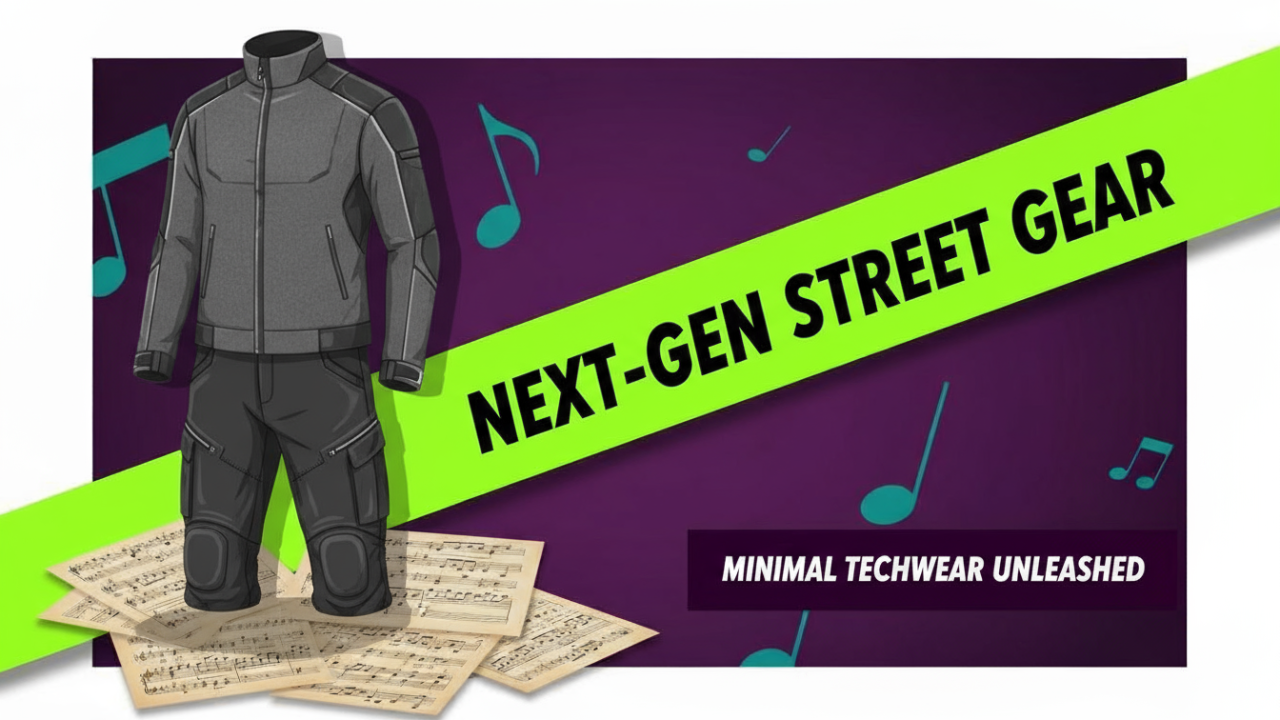
Minimal tech is where restraint earns respect. I borrow techwear inspiration the way climbers borrow knots: just enough to be secure. That means taped critical seams, two-way zips, and fabrics that shrug off drizzle without looking like swim caps. I want matte finishes, quiet hardware, and panels that articulate naturally. If a garment looks futuristic but fights a staircase, it’s a fail. The goal is civilized performance—a jacket that vents on the train, seals on the street, and dries before lunch.
Footwear as Equipment
Footwear is equipment first. On wet days I run grippy soles and a mid-cut to keep ankles honest. On dry days I like low, fast silhouettes with firm heel counters that don’t quit by mid-afternoon. Suede adds texture but needs spray; ripstop uppers forgive scuffs. Socks matter more than we admit—merino blends that don’t sag keep the fit locked and the mood better than any gadget.
Bags and Organization
Bags are optional if the vest does its job, but a compact sling or crossbody in ballistic nylon still earns its keep on longer routes. I route cables, pens, and cards in the same pockets every time. Muscle memory is an underrated part of urban outfitting because it removes friction. When I know where everything lives, I look up more, walk faster, and miss fewer turns.
Color as a Tool
Color is a tool, not a mood board. I rotate a tight neutral palette—charcoal, black, olives, and a few stone tones—with reflectivity delivered by detail rather than loud panels. Bar tacks, zipper tape, and micro piping catch just enough streetlight to be seen without reading sporty. If I want heat, I introduce a small signal—burnt orange on a pull, a rust cap, a tan midsole—and stop there.
Fit as a Performance Spec
Fit is the silent performance spec. Sleeves stop at the wrist, cuffs cinch without Velcro shouting, and hems never drag on stair risers. I test reach, crouch, and pocket access before tags come off. If the jacket tunnels when I raise my arms, it goes back. If the pants twist when I bike, they’re out. The fastest way to turn functional gear useless is to ignore movement.
Care and Maintenance
Care is part of the system. I wash technical shells cold, close zips, and air-dry. I reproof waxed cotton at the season’s turn and brush suede after rain. I fix loose threads with a lighter touch on the ends and replace busted cord pulls with paracord loops. Maintenance keeps gear honest and avoids the landfill reflex.
Weekly Rotation and Repetition
A typical week rotates the same elements in new orders. Monday might be a merino tee, insulated vest, seam-pocket cargos, and trainers. Tuesday swaps the vest for an overshirt and adds a softshell. Wednesday I run a poplin base, quilted liner, and a waxed short coat. The repetition is deliberate: fewer variables, faster decisions, sharper results. Style comes from consistency under changing conditions, not from chasing a fresh costume every morning.
Budget and Investment
On cost, I go mid-tier for pieces that take a beating and invest only where failure hurts. A reliable shell is worth it; so are trousers that hold shape and pockets that don’t dump contents when I sit. Tees can be inexpensive as long as they keep their fit. If I’m trimming my budget, I cut novelty, not function.
The Human Factor
The human part matters. On Modern Tattle, I often highlight how small habits shape utility fashion in practice: I keep grooming tight, nails short, and fragrance low-volume—woods, smoke, a hint of citrus. I carry a tiny repair kit: safety pin, alcohol wipe, spare lace. The point isn’t paranoia; it’s capability. When your kit works, you relax. When you relax, you move better. And when you move better, the outfit earns its keep in the real world.
Conclusion
Utility fashion 2025 isn’t a trend to ride and drop. It’s a habit of dressing that respects the day’s demands while leaving space for a life. The gear is quiet, the lines are clean, and the message is simple: carry what you need, move how you want, and let the city know you came prepared. It’s the same design honesty found in classic American jackets — built for work, refined for everyday movement, and trusted to perform without shouting for attention.

 Arabic
 French
 Spanish
 Portuguese
 Deutsch
 Turkish
 Dutch
Dutch
 Italiano
 Russian
 Romaian
 Portuguese (Brazil)
 Greek
Greek