


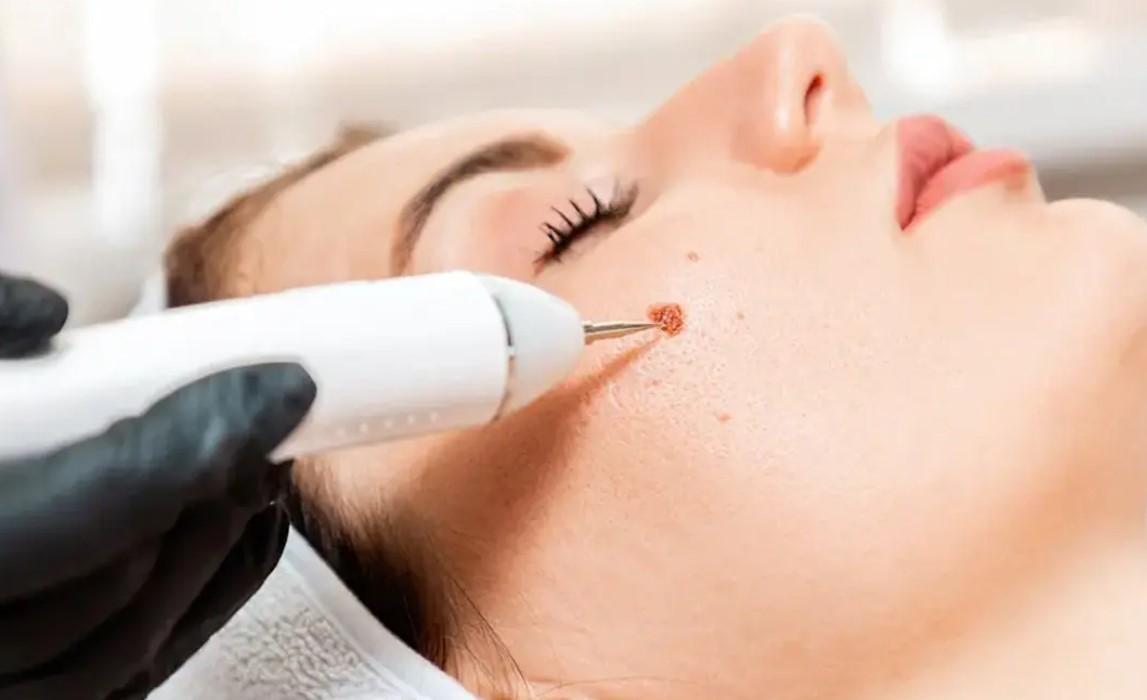
Scarring Concerns and How to Minimize Them After Skin Procedures
Scarring is one of the most common concerns after skin procedures such as mole removal, minor surgery, laser treatments, or cuts. While most skin wounds heal smoothly, some people may develop visible scars depending on their skin type, aftercare, and the depth of the procedure.
In this guide, we’ll explain why scars happen, who is more at risk, and practical ways to minimize scarring for better skin healing results. Mole Removal in Riyadh is a common cosmetic and medical procedure chosen by many people to improve skin appearance and address suspicious or unwanted moles.
Why Do Scars Form?
A scar is the body’s natural way of healing damaged skin. When the deeper layers of skin are injured, the body produces collagen fibers to close the wound.
However, this repair process does not always perfectly match the original skin texture, which is why a scar may look different from surrounding skin.
Scarring can vary from:
- Light, barely visible marks
- Slight discoloration
- Raised or thickened scars
- Flat but darker or lighter patches
Factors That Increase Scarring Risk
Not everyone develops noticeable scars. Some people are more prone to them due to:
1. Skin Type and Genetics
Some individuals naturally form thicker or darker scars (keloids or hypertrophic scars), especially if there is a family history.
2. Depth of the Procedure
Deeper wounds (like surgical mole removal) are more likely to leave scars compared to superficial treatments.
3. Infection or Poor Healing
Infection slows healing and increases the chance of visible scarring.
4. Picking or Scratching the Wound
Disturbing scabs is one of the biggest causes of permanent marks.
5. Sun Exposure
UV rays can darken healing skin and make scars more noticeable.
Types of Scars You May Notice
After skin healing, different types of scars may appear:
- Flat scars: Light, smooth marks that slowly fade
- Pigmented scars: Darker or lighter patches than surrounding skin
- Hypertrophic scars: Raised but stay within wound boundary
- Keloid scars: Thick, raised scars that extend beyond the original wound
How to Minimize Scarring Effectively
The good news is that most scars can be reduced significantly with proper care.
1. Follow Proper Wound Care
Good hygiene is the foundation of scar prevention.
- Keep the area clean and dry
- Use prescribed ointments or dressings
- Avoid unnecessary touching
Clean healing reduces inflammation and improves skin repair.
2. Do Not Pick Scabs
This is one of the most important rules.
- Let scabs fall off naturally
- Avoid scratching even if it itches
- Picking increases risk of scars and pigmentation
3. Protect from Sun Exposure
Sun exposure can worsen scars and cause dark marks.
- Apply sunscreen once the wound has closed
- Avoid direct sunlight during early healing
- Use hats or protective clothing if needed
UV protection helps scars fade more evenly.
4. Keep the Skin Moisturized (When Allowed)
Dry wounds tend to heal with more visible scars.
- Use doctor-recommended healing creams
- Petroleum-based ointments may help in early healing
- Do not over-apply products
Moist healing supports smoother skin regeneration.
5. Avoid Infection at All Costs
Infections significantly increase scarring risk.
- Clean the area regularly
- Watch for redness, pus, or swelling
- Seek medical help early if symptoms appear
6. Use Silicone-Based Products (If Recommended)
Dermatologists often recommend silicone gels or sheets for scar reduction.
They help:
- Flatten raised scars
- Improve skin texture
- Reduce redness over time
7. Avoid Smoking and Poor Nutrition
Lifestyle factors also affect healing.
- Smoking reduces oxygen supply to skin
- Poor diet slows collagen repair
- Hydration and protein intake support faster healing
8. Be Consistent and Patient
Scar healing is slow and gradual.
- Early healing: 1–2 weeks
- Visible improvement: 1–3 months
- Final fading: up to 6–12 months
Consistency in care is key to good results.
When to See a Dermatologist
You should consult a skin specialist if:
- Scar becomes raised or grows over time
- It causes pain or itching
- There is dark or uneven pigmentation
- You have a history of keloid formation
Early treatment can significantly improve scar appearance.
Final Thoughts
Scarring is a natural part of skin healing, but in most cases, it can be minimized with proper care. Simple habits like keeping the wound clean, avoiding sun exposure, and not picking at scabs can make a major difference in the final appearance of your skin.
With the right aftercare and patience, most scars become faint and barely noticeable over time.

 Arabic
 French
 Spanish
 Portuguese
 Deutsch
 Turkish
 Dutch
Dutch
 Italiano
 Russian
 Romaian
 Portuguese (Brazil)
 Greek
Greek