


Is Tattoo Removal Safe for Darker Skin Tones Common in Riyadh Population?
Tattoo removal has become increasingly popular in Riyadh, especially as more people look for safe and effective ways to remove unwanted ink for personal, professional, or cultural reasons. One of the most frequently asked questions is whether laser tattoo removal is safe for darker skin tones, which are common among the population in Riyadh and the wider Gulf region. If you're considering tattoo removal in Riyadh, it's important to understand the process, safety, and expected results before starting.
The short answer is yes—tattoo removal is generally safe for darker skin tones when performed correctly. However, it requires specialized equipment, proper technique, and an experienced practitioner who understands how to treat melanin-rich skin carefully. Without these precautions, there can be a higher risk of side effects such as pigmentation changes or skin irritation.
Understanding Skin Tone and Laser Interaction
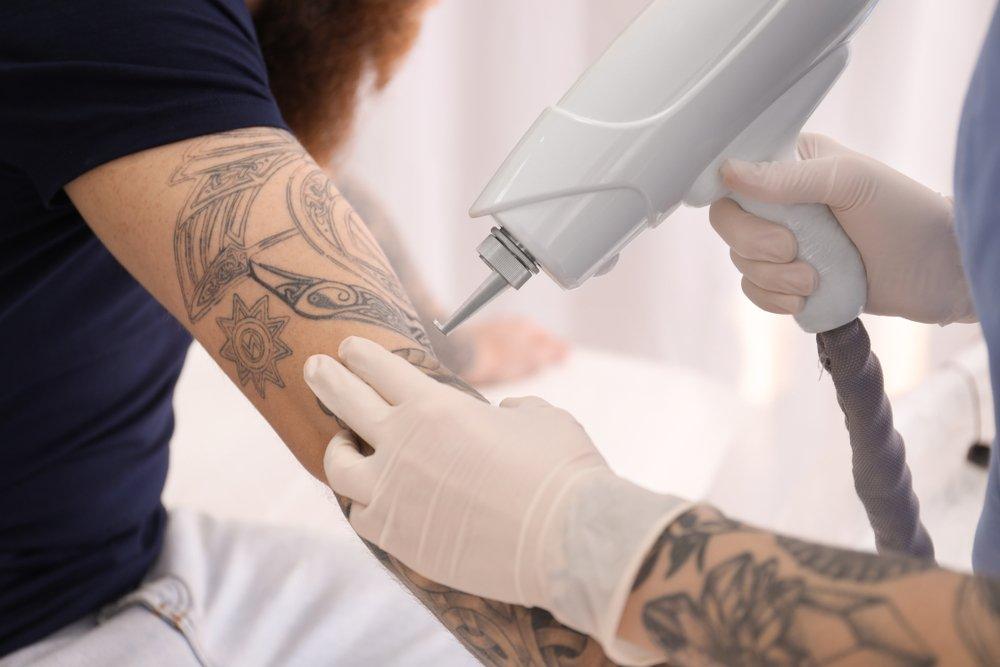
To understand safety, it is important to know how laser tattoo removal works. Laser devices target tattoo ink by delivering concentrated light energy into the skin. This energy breaks the ink into tiny particles, which are then gradually removed by the body’s immune system.
However, lasers do not only interact with ink—they can also interact with melanin, the natural pigment in the skin. Darker skin tones contain more melanin, which means there is a higher chance that the laser energy may affect surrounding skin if not properly controlled.
This is why treating darker skin requires careful adjustment of laser settings to ensure that the energy targets ink rather than the skin itself.
Safety of Laser Tattoo Removal for Darker Skin
Modern laser technology has significantly improved the safety of tattoo removal for all skin types. Devices such as Q-switched and picosecond lasers are designed to be highly selective, meaning they focus on tattoo ink while minimizing damage to surrounding tissue.
For darker skin tones, tattoo removal is considered safe when:
- Proper laser wavelength is used
- Energy levels are carefully adjusted
- Cooling systems are applied during treatment
- Sessions are spaced appropriately for healing
When these conditions are met, most patients experience only mild and temporary side effects such as redness or swelling.
Common Skin Concerns in Darker Skin Tones
While tattoo removal is safe, darker skin tones do have a slightly higher risk of certain side effects if treatment is not properly managed.
1. Hyperpigmentation
Hyperpigmentation is one of the most common concerns. It refers to dark patches that may appear after treatment due to increased melanin activity. In most cases, this is temporary and fades over time, but it can be more noticeable in darker skin tones.
2. Hypopigmentation
This occurs when the skin becomes lighter in certain areas after laser exposure. It is usually temporary but may take longer to resolve in some individuals.
3. Skin Irritation or Burns
If incorrect laser settings are used, the skin may become irritated or, in rare cases, lightly burned. This risk is higher when treatments are performed by inexperienced providers.
4. Scarring (Rare)
Scarring is uncommon but can occur if aftercare instructions are not followed or if the skin is repeatedly irritated during healing.
Why Riyadh’s Population Needs Special Consideration
In Riyadh, many individuals have medium to deeper skin tones that fall within Fitzpatrick skin types III to V. These skin types are more sensitive to laser energy because of higher melanin levels.
Additionally, Riyadh’s climate—hot temperatures and strong sun exposure—can influence healing. After laser treatment, skin becomes more sensitive to UV rays, which increases the risk of pigmentation changes if sun protection is not properly followed.
Therefore, safe tattoo removal in Riyadh requires not only the right laser technology but also careful aftercare tailored to local environmental conditions.
How Clinics Ensure Safety for Darker Skin
Experienced dermatology clinics in Riyadh use several strategies to ensure safe treatment for darker skin tones:
1. Customized Laser Settings
Laser intensity is adjusted based on individual skin type, tattoo color, and depth. Lower energy settings are often used initially to reduce the risk of skin damage.
2. Advanced Laser Technology
Modern devices such as picosecond lasers deliver ultra-short pulses that break ink more efficiently while reducing heat damage to surrounding skin.
3. Test Spots
Some clinics perform a small test treatment area first to observe how the skin reacts before proceeding with full sessions.
4. Cooling Systems
Cooling devices or cold air systems are used during treatment to protect the skin and reduce discomfort.
5. Proper Session Spacing
Sessions are spaced several weeks apart to allow the skin to fully recover and reduce the risk of complications.
Importance of Aftercare in Darker Skin
Aftercare is extremely important in ensuring safe and effective results. Patients are usually advised to:
- Avoid direct sunlight for several weeks
- Use sunscreen once the skin begins healing
- Keep the area clean and moisturized
- Avoid scratching or picking at scabs or blisters
- Stay away from heat and excessive sweating immediately after treatment
These steps help reduce inflammation and minimize the risk of pigmentation changes, especially in melanin-rich skin.
Results Expectations for Darker Skin Tones
Tattoo removal is effective for darker skin tones, but results may vary depending on tattoo type and skin response. Some individuals may require more sessions compared to lighter skin tones due to cautious laser settings used to ensure safety.
Despite this, most patients achieve significant fading or complete removal over time with consistent treatment and proper care.
Conclusion
Tattoo removal is generally safe for darker skin tones common in Riyadh when performed by trained professionals using appropriate laser technology. While there is a slightly higher risk of pigmentation changes compared to lighter skin, these risks can be greatly minimized with proper technique, careful settings, and strict aftercare.
With the right approach, individuals with darker skin can safely undergo laser tattoo removal and achieve clear, even-toned skin without long-term complications.

 Arabic
 French
 Spanish
 Portuguese
 Deutsch
 Turkish
 Dutch
Dutch
 Italiano
 Russian
 Romaian
 Portuguese (Brazil)
 Greek
Greek