


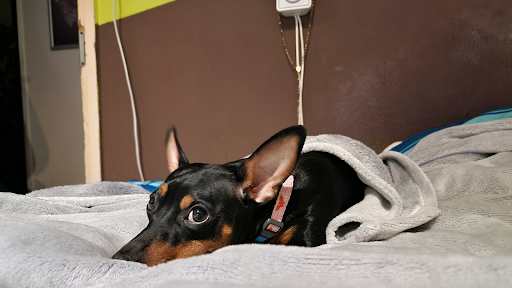
As pet owners, watching your dog struggle with mobility can be heartbreaking. If you notice your dog’s back legs becoming weak or paralyzed, it’s essential to act quickly. Dog back leg paralysis is a serious condition that requires immediate attention to ensure your furry friend receives the best possible care.
In this article, we will explore the causes, symptoms, treatment options, and recovery tips to help your dog regain its mobility and quality of life.
What Is Dog Back Leg Paralysis?
Dog back leg paralysis refers to the inability of your dog to move its hind legs, which may occur suddenly or develop over time. This condition can range from partial weakness to complete immobility of the back legs. It is often a result of nerve damage, spinal injuries, or other health issues affecting the central nervous system.
Symptoms of Dog Back Leg Paralysis
Recognizing the symptoms early is key to addressing dog back leg paralysis treatment effectively. The following signs may indicate that your dog is experiencing back leg paralysis:
-
Limping or dragging: Your dog may drag its back legs while walking, or you may notice them limping with a noticeable difference in their gait.
-
Sudden loss of movement: One or both of your dog’s hind legs may suddenly give out, preventing them from standing or walking properly.
-
Pain or discomfort: Your dog might show signs of pain, such as yelping when touched or a reluctance to move.
-
Decreased reflexes: A paralyzed dog may not react to stimuli like a normal dog would, such as when you touch their feet.
-
Loss of bladder or bowel control: In severe cases, dogs with back leg paralysis might lose control of their bladder or bowel movements.
Causes of Dog Back Leg Paralysis
There are several potential causes of back leg paralysis in dogs. Some of the most common include:
-
Intervertebral Disc Disease (IVDD): A condition where the discs between the vertebrae in your dog’s spine degenerate, leading to nerve compression and paralysis.
-
Spinal Cord Injuries: Trauma from accidents, falls, or car accidents can result in injury to the spinal cord, leading to paralysis.
-
Degenerative Myelopathy: A progressive disease that affects the spinal cord and can cause hind leg weakness and eventual paralysis.
-
Infections: Infections such as bacterial or viral can also affect the spinal cord and nerves, leading to paralysis.
-
Tumors or Cancer: Tumors that press on the spinal cord can lead to paralysis in the back legs.
Treatment Options for Dog Back Leg Paralysis
The good news is that there are several dog back leg paralysis treatment options available, depending on the cause and severity of the condition. Let’s take a look at some of the most effective treatments:
1. Veterinary Care and Diagnosis
The first step in treating a dog's back leg paralysis is visiting a veterinarian for a thorough examination. Your vet will conduct a series of tests, including X-rays, MRIs, or blood work, to determine the exact cause of the paralysis.
2. Medication
If your dog’s paralysis is caused by inflammation or nerve compression, anti-inflammatory medications and pain relievers may be prescribed to manage the symptoms. In some cases, steroids may be used to reduce swelling around the spinal cord.
3. Surgery
For conditions like IVDD or spinal cord injuries, surgery may be necessary to remove the damaged discs or correct the injury. Surgery can be expensive, but it’s often the most effective way to restore mobility.
4. Physical Therapy and Rehabilitation
Physical therapy is an essential part of the recovery process. A specialized rehabilitation program can help strengthen your dog’s muscles, improve mobility, and promote nerve healing. Treatments may include swimming, massage, and range-of-motion exercises.
5. Assistive Devices
For dogs with more severe paralysis, assistive devices like wheelchairs or slings can help improve mobility and quality of life. These devices allow your dog to move around and maintain some independence while they recover.
Recovery Tips for Dogs with Back Leg Paralysis
Recovery from dog back leg paralysis can take time, and your dog will need your support throughout the process. Here are a few recovery tips:
-
Create a safe environment: Ensure your dog has a comfortable, safe space to rest. Remove any obstacles that may hinder their movement.
-
Monitor their diet: Maintain a healthy diet to support your dog’s recovery. You may also need to adjust their feeding schedule if they have trouble moving around.
-
Regular vet check-ups: Continue regular visits to the vet to monitor your dog’s progress and adjust the treatment plan as needed.
-
Patience and emotional support: The recovery process can be slow, and your dog may experience frustration. Offer plenty of love, encouragement, and emotional support to help them through this tough time.
Conclusion
Dealing with dog back leg paralysis can be challenging. Still, with early intervention and the right treatment plan, many dogs can recover or learn to adapt to their new mobility limitations. Whether through surgery, physical therapy, or assistive devices, there are options available to help your dog regain some of their lost function.
Be patient, stay informed, and provide your dog with the love and care they need during their recovery.

 English
 Arabic
 French
 Spanish
 Portuguese
 Deutsch
 Turkish
 Dutch
Dutch
 Russian
 Romaian
 Portuguese (Brazil)
 Greek
Greek